Travel planning often brings excitement, but unexpected events can turn a dream trip into a nightmare. From last minute flight cancellations to unforeseen medical emergencies abroad, the world of travel holds many surprises. This is where reliable travel insurance becomes your essential companion.
For many American Express cardholders, a significant perk often overlooked is the built in travel insurance benefits. Understanding these benefits can provide a crucial layer of security, transforming potential stress into genuine peace of mind. This comprehensive guide will walk you through everything you need to know about Amex travel insurance in 2026. It will help you maximize your protection and travel with confidence. We’ll cover what’s included, how it works, and how to make the most of these valuable features.
Key Takeaways
- Amex travel insurance isn’t a standalone policy. It is a benefit of eligible American Express cards.
- Coverage types often include trip cancellation, interruption, baggage, and car rental loss or damage.
- Medical emergency coverage is typically limited or supplementary, not primary health insurance.
- Always review your specific card’s Guide to Benefits for precise details and exclusions.
- Filing a claim requires timely documentation and adherence to Amex’s procedures.
What is Amex Travel Insurance and How Does It Work?
American Express provides a range of travel insurance benefits as a feature of many of its credit cards. It does not sell a separate, standalone travel insurance policy. This means that if you hold an eligible Amex card, you might already have valuable protection for your travels. These benefits usually activate when you use your Amex card to pay for your travel arrangements. This includes flights, hotels, or rental cars.
The specific type and extent of coverage depend entirely on the American Express card you carry. From premium cards like The Platinum Card to certain everyday cash back cards, the benefits can vary significantly. It’s crucial to understand that these benefits are designed to protect you from various travel related mishaps.
Understanding Your Amex Card’s Benefits Guide
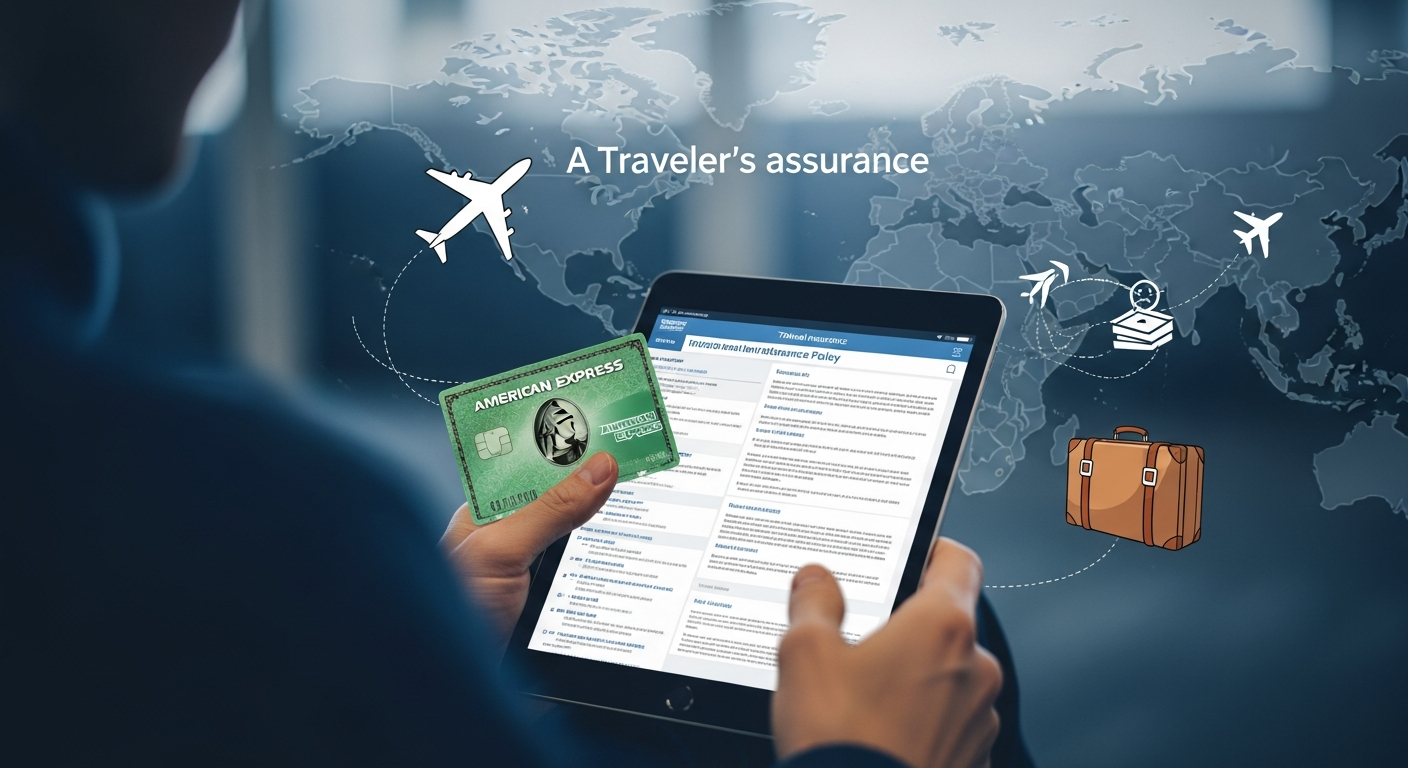
The most important step in understanding your Amex travel insurance is to review your specific card’s “Guide to Benefits.” This document outlines all the terms, conditions, limitations, and exclusions of your coverage. You can typically find this guide on the American Express website by logging into your account or by calling customer service. Do not assume all Amex cards offer the same benefits.
A basic card might only offer car rental insurance. A premium card could provide extensive trip delay and cancellation coverage. Reading this guide thoroughly before any trip is highly recommended. It will clarify what is covered, what isn’t, and what steps you need to take if something goes wrong.
Common Types of Amex Travel Insurance Coverage
While benefits vary by card, several common types of travel insurance coverage are often associated with American Express cards. These protections can be incredibly valuable when facing unexpected situations during your travels.
Trip Cancellation and Interruption Insurance
This coverage can reimburse you for non refundable travel expenses if your trip is canceled or cut short due to covered reasons. Covered reasons typically include illness, injury, severe weather, or a terrorist act. For instance, if you pay for a flight and hotel with your Amex card and then fall ill before your trip, this benefit might cover the lost costs.
Trip interruption extends this protection. It covers costs if your trip is unexpectedly interrupted after it has begun. This might include expenses to return home early or additional costs incurred due to the interruption.
Trip Delay Insurance
If your flight or other common carrier is delayed for a specified period, like six hours or more, due to a covered reason, this benefit can reimburse you for reasonable additional expenses. These expenses might include meals, lodging, or toiletries incurred while waiting for your trip to resume. This coverage can be a lifesaver during unexpected airport layovers or prolonged delays.
Baggage Insurance (Lost, Damaged, or Delayed)
Losing your luggage can be a major headache. Amex baggage insurance can offer coverage for lost, stolen, or damaged bags and their contents. Some cards also provide coverage for delayed baggage. This reimburses you for essential items purchased while your bags are missing. Limits apply, and high value items may have specific restrictions, so always check your guide.
Car Rental Loss and Damage Insurance
Many Amex cards offer secondary car rental insurance. This means it kicks in after your personal car insurance or other primary coverage. It typically covers damage to or theft of a rental vehicle when you use your eligible Amex card to pay for the rental and decline the rental company’s collision damage waiver (CDW). This benefit can save you hundreds, if not thousands, of dollars. Remember to always decline the rental company’s CDW if you wish to use your Amex benefit.
Travel Accident Insurance
This coverage provides a benefit for accidental death or dismemberment that occurs during a covered trip. While it’s a somber topic, it adds another layer of financial protection for your loved ones in the unfortunate event of a severe accident during travel.
Emergency Medical Evacuation and Repatriation
While Amex cards generally do not offer primary health insurance for medical emergencies abroad, some premium cards might offer benefits for emergency medical evacuation or repatriation. This is a crucial distinction. It means if you have a medical emergency, your Amex benefit might cover the transportation to a suitable medical facility or back home, but not necessarily the medical treatment itself. Always carry separate travel medical insurance for comprehensive health coverage when traveling internationally.
Benefits of Relying on Amex Travel Insurance
Using your Amex card’s travel insurance benefits comes with several advantages. This makes it a convenient option for many travelers.
- Convenience: The coverage is often automatically included when you pay for your trip with an eligible card. There’s no separate policy to purchase or additional forms to fill out upfront.
- Cost Savings: Since it’s a card benefit, you don’t pay extra premiums for this coverage. This potentially saves you money compared to buying a standalone policy.
- Global Acceptance: American Express is a globally recognized brand. Their customer service and claims processes are often accessible from many parts of the world.
- Peace of Mind: Knowing you have a safety net for common travel issues allows you to relax and enjoy your trip more fully.
- Streamlined Claims: While claims processes can always be detailed, Amex often provides clear guidance and support for cardholders.
“Understanding your credit card’s embedded travel benefits is often the first, and most overlooked, step in smart travel planning. These benefits can offer substantial value, but their limits and activation requirements are key to leveraging them effectively.” – Travel Insurance Expert
How to File a Claim with Amex Travel Insurance
Filing a claim might seem daunting, but understanding the process can make it much smoother. Here’s a general overview of the steps involved.
- Notify Amex Promptly: As soon as an incident occurs that might lead to a claim, contact American Express. There are usually time limits for reporting incidents and filing claims. You can find the relevant phone numbers or online portal in your Guide to Benefits.
- Gather Documentation: This is perhaps the most critical step. Collect all relevant documents related to the incident and your trip.
- Travel itineraries and receipts (showing payment with your Amex card).
- Police reports (for theft).
- Medical reports (for illness or injury).
- Airline or hotel statements (for delays, cancellations, lost baggage).
- Rental car agreements and damage reports.
- Receipts for emergency purchases.
- Complete Claim Forms: Amex will provide you with the necessary claim forms. Fill them out accurately and completely.
- Submit Your Claim: Send all required documentation and completed forms within the specified timeframe. Keep copies of everything you submit for your records.
- Follow Up: Periodically check the status of your claim. Be prepared to provide additional information if requested.
Comparing Amex Travel Insurance with Standalone Policies
While Amex provides valuable benefits, it’s essential to understand how they stack up against dedicated travel insurance policies. This comparison can help you decide if your Amex benefits are sufficient for your travel needs.
| Feature | Amex Travel Insurance (Card Benefit) | Standalone Travel Insurance Policy |
| **Primary Medical Cov.** | Generally *not* included; may cover evacuation or repatriation only. | Often includes comprehensive primary medical and dental coverage. |
| **Coverage Limits** | Typically lower limits for trip cancellation, baggage, etc. | Higher limits available, customizable to trip cost. |
| **Pre existing Cond.** | Often excludes pre existing conditions or has strict limitations. | May offer waivers for pre existing conditions if purchased early. |
| **Adventure Sports** | Usually excludes high risk activities like skydiving, mountaineering. | Can be purchased as an add on for adventure sports. |
| **”Cancel for Any Reason”** | Almost never included. | Available as an optional upgrade (often 50 75% reimbursement). |
| **Cost** | Included with card annual fee; no extra premium per trip. | Additional cost per trip or annual policy. |
| **Customization** | Fixed benefits based on card type. | Highly customizable with various add ons and coverage levels. |
| **Primary vs. Secondary** | Often secondary coverage (e.g., car rental, some medical benefits). | Typically primary coverage. |
Important Considerations and Limitations
Even with robust Amex benefits, there are crucial aspects to keep in mind. Understanding these limitations will help you avoid unwelcome surprises.
- Not All Cards are Equal: As mentioned, benefits vary significantly. A Green Card will offer different coverage than The Platinum Card. Always verify your specific card’s benefits.
- Exclusions Apply: All insurance policies, including Amex benefits, have exclusions. Common exclusions include acts of war, self inflicted injuries, some extreme sports, and travel to certain high risk regions.
- Pre existing Conditions: Many Amex benefits will not cover claims related to pre existing medical conditions. If you have such conditions, a dedicated travel medical policy is often necessary.
- Coverage Limits: There are strict monetary limits on how much Amex will reimburse for various categories. This includes per person for trip cancellation or per item for lost baggage. Be aware of these caps.
- Secondary Coverage: Some Amex benefits are secondary. This means they pay out only after your primary insurance, like your personal auto insurance for car rentals, has been exhausted.
- Purchase Requirement: Generally, you must use your eligible American Express card to pay for the travel expenses to activate the associated benefits.
- Residency and Age Restrictions: Some benefits may have residency requirements or age limits for coverage.
- Geographic Restrictions: Some benefits might not apply when traveling to certain countries or regions due to government advisories, sanctions, or high risk assessments. Always check if your destination is covered.
- Specific Purchase Methods: While paying with your Amex card is key, some benefits might require the entire booking to be made on the card, or through specific Amex travel portals. Read the fine print carefully to ensure eligibility.
Maximizing Your Amex Travel Insurance Benefits

To get the most out of your Amex travel protection, follow these expert tips.
- Read Your Guide to Benefits: This cannot be stressed enough. It’s your ultimate resource for understanding what you have.
- Pay with the Right Card: Always use your Amex card with the best travel insurance benefits for all travel related purchases.
- Keep Records: Save all receipts, booking confirmations, and communication related to your travel. Digital copies are perfect.
- Know Your Emergency Contacts: Have Amex customer service numbers readily available, especially their international numbers.
- Consider Supplemental Insurance: For extended trips, international travel, or if you have specific medical needs, a standalone travel insurance policy might be a wise addition to your Amex benefits. It can fill gaps, especially for primary medical coverage.
- Understand Rental Car Waivers: If using Amex for car rental insurance, remember to decline the rental company’s CDW.
- Monitor Travel Advisories: Be aware of travel advisories from government agencies. Some benefits might be voided if you travel against official advice.
- Understand Amex Travel Portal Bookings: If you book travel through the Amex travel portal, sometimes additional or enhanced benefits might apply. Compare these with direct bookings to see what offers the best protection.
- Review Before Each Trip: Benefits can change over time. Before a major trip, take a few minutes to review your card’s current Guide to Benefits to ensure you have the most up to date information. This proactive step can save you from unexpected issues.
Conclusion
American Express travel insurance benefits offer a valuable safety net for many cardholders. They provide peace of mind and financial protection against common travel disruptions. From trip delays to lost luggage and car rental damage, these benefits can significantly enhance your travel experience. However, they are not a one size fits all solution.
It is absolutely essential to thoroughly understand the specific terms and conditions of your individual Amex card’s Guide to Benefits. By doing so, you can effectively leverage the coverage you have, know when to consider additional insurance, and travel more confidently in 2026 and beyond. Always travel informed, prepared, and with the right protection in place.
Frequently Asked Questions
Is Amex travel insurance primary or secondary?
It depends on the specific benefit and your card. For example, Amex car rental insurance is typically secondary. This means it pays after your personal auto insurance. Other benefits, like trip cancellation, might be primary. Always check your card’s Guide to Benefits for clarification.
Does Amex travel insurance cover medical emergencies abroad?
Generally, Amex cards do not provide primary medical health insurance coverage for medical treatment abroad. Some premium cards might offer benefits for emergency medical evacuation or repatriation. This covers the cost of transporting you to a medical facility or back home. For comprehensive medical coverage, a separate travel medical insurance policy is usually recommended.
How long do I have to file an Amex travel insurance claim?
The timeframe for filing a claim varies by benefit. It’s crucial to notify American Express as soon as possible after an incident occurs. Your Guide to Benefits will specify the exact reporting and claim submission deadlines. These are often within 30 to 60 days of the incident.
Do I need to pay for my entire trip with Amex to get the benefits?
For most Amex travel insurance benefits, yes, you must use your eligible American Express card to pay for the entire covered portion of your trip. This includes flights, hotel stays, or car rentals. Partial payments might not activate the full range of benefits.
Can I get “Cancel for Any Reason” coverage with Amex?
No, Amex travel insurance benefits typically do not include “Cancel for Any Reason” (CFAR) coverage. CFAR is a specialized, optional upgrade usually found in standalone travel insurance policies. It allows you to cancel your trip for any reason not covered by standard policies and receive a partial refund. Amex benefits cover cancellations only for specific, listed reasons.