Philippines Travel Guide: Your Ultimate Journey to Paradise
The Philippines, an archipelago of over 7,000 islands, beckons with its breathtaking beauty and vibrant culture. From the world-renowned white sand beaches of Boracay to the dramatic limestone cliffs of Palawan, this Southeast Asian gem offers an adventure for every kind of traveler. Imagine diving into crystal-clear waters, exploring ancient rice terraces, or savoring delicious local dishes. The warmth of the Filipino people, known for their hospitality, will make your journey even more memorable.
Planning a trip to such a diverse country can feel overwhelming. This comprehensive travel guide is designed to simplify your journey, providing expert insights and practical tips. Whether you are a first-time visitor or returning for more, get ready to uncover the secrets of this tropical paradise. We will cover everything from the best times to visit and top destinations to local customs and essential safety advice. Your dream Philippine adventure starts here!
Key Takeaways for Your Philippine Adventure
- Plan Ahead for Seasons: The Philippines has distinct dry and wet seasons. Timing your visit correctly can greatly enhance your experience, especially for beach activities and island hopping.
- Budget Smartly: While generally affordable, costs can vary. Allocate funds for transportation, accommodations, activities, and food to avoid surprises.
- Embrace Local Transport: Don’t shy away from tricycles, jeepneys, and ferries. They offer authentic experiences and are often the most practical ways to get around.
- Prioritize Safety and Health: Be aware of your surroundings, stay hydrated, and consider travel insurance. Basic precautions go a long way in ensuring a smooth trip.
- Connect with Locals: The Filipino people are incredibly friendly. Engaging with them offers a deeper understanding of the culture and often leads to unforgettable moments.
Why Choose the Philippines for Your Next Adventure?
The allure of the Philippines extends far beyond its picture-perfect postcards. It is a country that captivates with its natural wonders, rich history, and the genuine warmth of its inhabitants. Deciding on the Philippines means choosing an experience that combines relaxation, adventure, and cultural immersion.
Island Hopping Dreams
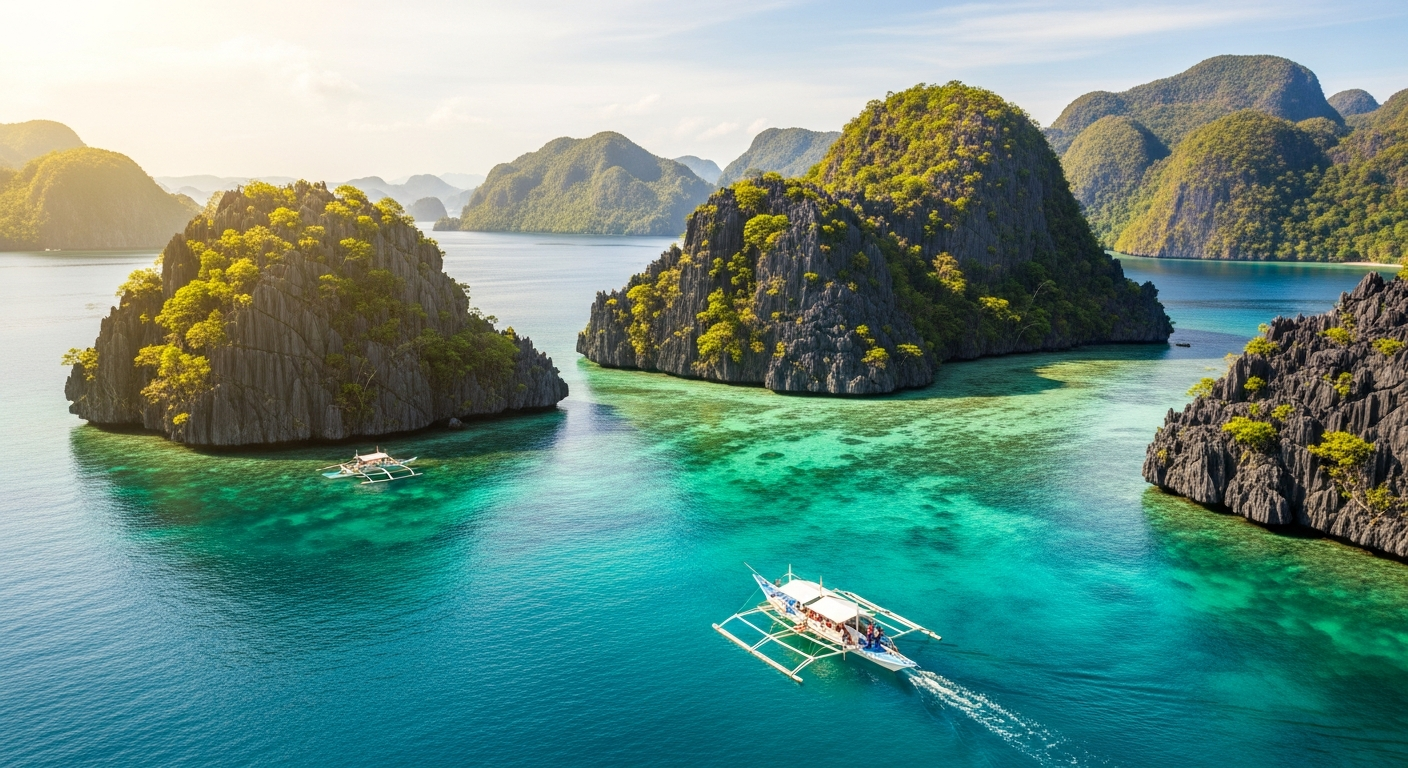
With thousands of islands, the Philippines is a paradise for island hoppers. Each island offers a unique charm. You can find secluded coves, bustling beaches, and vibrant coral reefs teeming with marine life. Popular spots like Palawan and Boracay are just the beginning of what awaits. Imagine snorkeling in pristine lagoons or simply relaxing on a deserted beach.
Rich Culture and Friendly Faces
Filipino culture is a beautiful blend of indigenous traditions and Spanish, American, and Asian influences. This rich heritage is reflected in their festivals, cuisine, and everyday life. The people are known for their hospitality and infectious smiles. You will often hear a warm “Mabuhay!” (Welcome!) wherever you go. This welcoming spirit makes every interaction a pleasant one.
Foodie Paradise
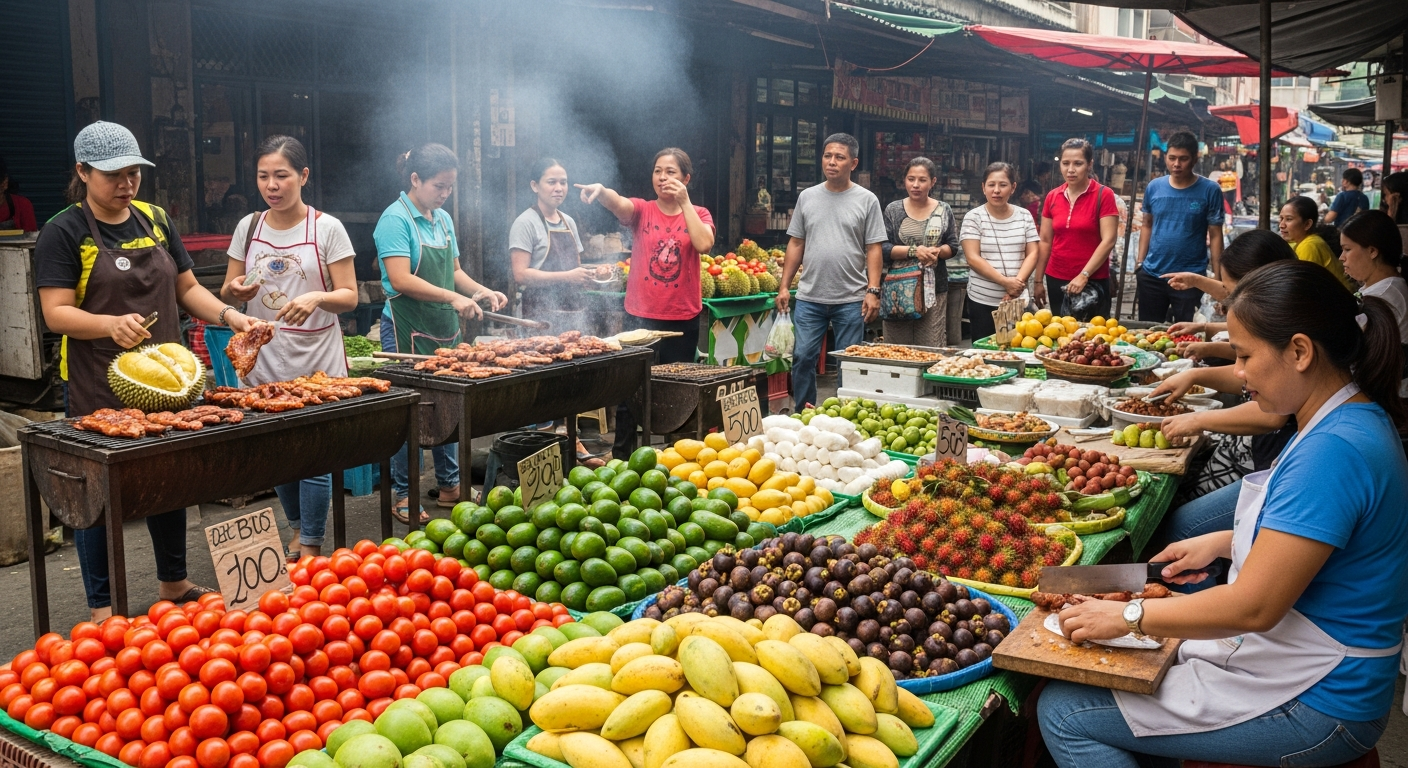
Filipino cuisine is a delightful mix of sweet, sour, and savory flavors. From the iconic adobo and savory sinigang to the crispy lechon and refreshing halo-halo, there is a dish for every palate. Exploring local markets and street food stalls is a must. Don’t be afraid to try new things; your taste buds will thank you.
Planning Your Trip: Essential Steps
A well-planned trip ensures a stress-free and enjoyable experience. Here are the crucial steps to consider before you pack your bags.
Best Time to Visit
The Philippines has two main seasons: the dry season (December to May) and the wet season (June to November). The best time for most travelers is during the dry season, especially from December to February, when the weather is cooler and drier. March to May can be very hot. The wet season brings typhoons, particularly from July to October, which can disrupt travel plans.
Visa and Entry Requirements
Most nationalities can enter the Philippines without a visa for stays of 30 days or less. However, it is essential to check the latest visa requirements based on your nationality. Always ensure your passport is valid for at least six months beyond your intended stay. You might also need a return or onward ticket to show upon arrival. Always check the official immigration website for the most current information.
Budgeting for Your Philippine Getaway
The Philippines offers options for various budgets, from backpacker-friendly hostels to luxury resorts. A comfortable mid-range budget can allow you to enjoy many experiences without breaking the bank.
Here is a sample daily budget breakdown:
| Category | Budget Traveler (USD) | Mid-Range Traveler (USD) | Luxury Traveler (USD) |
| **Accommodation** | 15-30 | 40-80 | 100+ |
| **Food** | 10-20 | 25-50 | 60+ |
| **Transportation** | 5-15 | 15-30 | 40+ |
| **Activities** | 10-25 | 30-60 | 70+ |
| **Total Daily** | **40-90** | **110-220** | **270+** |
Note: These are estimates and can vary greatly depending on location and personal choices.
Must-Visit Destinations and Experiences
The Philippines is a treasure trove of destinations, each offering a unique slice of paradise. Choosing where to go can be the hardest part!
Luzon: History, Volcanoes, and Rice Terraces
Luzon, the largest island, is home to the bustling capital, Manila. Here, you can explore historic sites like Intramuros, a walled city from the Spanish colonial era. North of Manila, discover the stunning Banaue Rice Terraces, often called the “Eighth Wonder of the World,” carved into mountains by indigenous people over 2,000 years ago. For adventure seekers, hiking Taal Volcano offers incredible views of a lake within a volcano.
Visayas: Pristine Beaches and Marine Life
The Visayas region is famous for its world-class beaches and vibrant marine ecosystems.
- Boracay: Renowned for its powdery white sand and stunning sunsets at White Beach. It is perfect for relaxation and water sports.
- Palawan: Home to El Nido and Coron, famous for their dramatic limestone cliffs, hidden lagoons, and crystal-clear waters perfect for island hopping and diving. The Puerto Princesa Underground River is also a UNESCO World Heritage site.
- Cebu: A hub for both city life and natural beauty. Explore historical sites in Cebu City, then head south to swim with whale sharks in Oslob or go canyoneering in Badian.
Mindanao: Hidden Gems and Cultural Riches
Mindanao, the second-largest island, offers unique cultural experiences and unspoiled natural beauty. Davao City is known for its durian fruit and Mount Apo, the highest peak in the Philippines. Siargao Island, on the northeastern coast, is a surf paradise gaining international recognition. While some areas of Mindanao have travel warnings, many parts are safe and welcoming for tourists. Always check current travel advisories before planning a trip to this region.
Getting Around the Philippines
Navigating the Philippines can be an adventure in itself. The extensive network of islands means a mix of air, sea, and land travel.
Domestic Flights
For covering long distances quickly, domestic flights are your best option. Major airlines like Philippine Airlines, Cebu Pacific, and AirAsia connect key cities and islands. Booking in advance, especially during peak season, is highly recommended for better prices.
Ferries and Boats
Island hopping is often done by ferry or smaller banca boats. These are essential for reaching smaller islands and exploring coastal areas. Routes between major islands are served by large, comfortable ferries, while smaller bancas are perfect for day trips to nearby coves and snorkeling spots. Always check schedules and safety records.
Land Transportation: Buses, Vans, and Tricycles
On larger islands, buses and vans are common for inter-city travel. Within cities and towns, you will find jeepneys (colorful, iconic public utility vehicles), tricycles (motorcycles with sidecars), and taxis. Ride-hailing apps like Grab are also available in major cities, offering a convenient way to get around. Be prepared for traffic, especially in metropolitan areas.
Safety and Health Tips for Travelers
Your well-being is paramount. Being prepared and aware can help ensure a smooth and safe journey.
Staying Safe
- Be Aware: Keep an eye on your belongings, especially in crowded areas. Pickpocketing can occur in tourist hotspots.
- Secure Valuables: Use hotel safes for passports, extra cash, and important documents. Carry only what you need for the day.
- Research Areas: Before venturing out, especially at night, ask locals or hotel staff about safe areas.
- Emergency Contacts: Know the local emergency numbers (e.g., 911 for police/ambulance).
Health Precautions
- Hydration: The tropical climate means it is easy to get dehydrated. Drink plenty of bottled water.
- Food and Water Safety: Stick to reputable restaurants and avoid tap water. Be cautious with street food, ensuring it is freshly cooked and hot.
- Sun Protection: The sun can be intense. Use high-SPF sunscreen, wear hats, and seek shade during peak hours.
- Insect Repellent: Dengue fever and other mosquito-borne illnesses are present. Use repellent, especially at dawn and dusk.
- Travel Insurance: Always purchase comprehensive travel insurance. This covers medical emergencies, trip cancellations, and lost luggage.
“Traveling responsibly means not only respecting the environment but also prioritizing your personal safety and health. A little preparation goes a long way in ensuring a memorable and worry-free experience in the Philippines.” – *Expert Travel Advisor*
Cultural Etiquette and Local Customs
Understanding and respecting local customs enriches your travel experience and shows appreciation for the host culture.
Respecting Traditions
Filipinos are generally conservative and respectful.
- Dress Modestly: When visiting churches or religious sites, dress respectfully (shoulders and knees covered).
- “Po” and “Opo”: These are polite particles used when speaking to elders or those in authority. While not expected from tourists, using them shows great respect.
- “Mano Po”: A traditional gesture of respect where one takes the hand of an elder and presses it to their forehead. You might observe this, but it is not expected for tourists to perform.
- Family Values: Family is central to Filipino culture. Showing respect for elders and family units is highly valued.
Language Basics
While English is widely spoken, especially in tourist areas, learning a few basic Tagalog phrases can greatly enhance your interactions.
Hello: Kumusta*
Thank you: Salamat*
Please: Pakiusap*
Yes: Opo (polite) / Oo* (informal)
No: Hindi*
Excuse me: Pasensya na*
How much?: Magkano?*
Sustainable Tourism in the Philippines
The Philippines’ natural beauty is its greatest asset. Practicing sustainable tourism helps preserve these wonders for future generations.
Responsible Travel Practices
- Reduce Waste: Minimize your use of single-use plastics. Bring reusable water bottles and bags.
- Respect Wildlife: Do not touch or disturb marine life or animals. Choose tour operators that follow ethical wildlife viewing guidelines.
- Support Local: Buy from local vendors and artisans. Eat at local restaurants to directly support the community.
- Conserve Resources: Be mindful of water and electricity usage, especially in island accommodations.
- Leave No Trace: Always take your trash with you. Do not take sand, shells, or coral from natural environments.
The Philippines offers an incredible tapestry of experiences, from the adrenaline rush of exploring hidden lagoons to the serene moments on a secluded beach. Its vibrant culture and the genuine warmth of its people make it a truly special destination. By planning smartly, staying safe, and traveling responsibly, you are set for an unforgettable journey. So, what are you waiting for? Start planning your ultimate Philippine adventure today and discover why this archipelago continues to capture the hearts of travelers worldwide.
Frequently Asked Questions (FAQs)
Q1: Is the Philippines safe for tourists?
A1: Yes, generally the Philippines is safe for tourists, especially in popular tourist destinations. Like any travel, it is important to be aware of your surroundings, secure your belongings, and follow local advice. Some areas in Mindanao have specific travel advisories, so always check current government warnings.
Q2: What is the best currency to use in the Philippines?
A2: The local currency is the Philippine Peso (PHP). US Dollars are widely accepted in major tourist areas, but it is always better to exchange your currency to PHP for daily expenses. ATMs are common in cities and larger towns.
Q3: How do I get internet access while traveling?
A3: Wi-Fi is available in most hotels, cafes, and restaurants, though speeds can vary. For reliable internet, consider buying a local SIM card from providers like Globe or Smart upon arrival at the airport. Data packages are affordable and offer good coverage in most areas.
Q4: Do I need to tip in the Philippines?
A4: Tipping is not mandatory but is appreciated for good service. Many restaurants include a service charge in the bill. For hotel staff, tour guides, and drivers, a small tip (around 10% or a round-up) is a kind gesture.
Q5: What should I pack for a trip to the Philippines?
A5: Pack light, breathable clothing suitable for a tropical climate. Essentials include swimwear, sandals, a wide-brimmed hat, sunglasses, high-SPF sunscreen, insect repellent, and a reusable water bottle. A light raincoat or umbrella is useful during the wet season. Don’t forget a universal adapter for your electronics.