Every journey leaves its mark, often on our trusted travel companions. For many adventurers, a well-loved travel guide becomes a cherished scrapbook of experiences. Its dog-eared pages, highlighted passages, and scribbled notes tell a unique story. This isn’t just a book of maps. It’s a tangible link to bustling markets, serene landscapes, and unforgettable moments. A torn travel guide isn’t a sign of neglect; it’s a badge of honor, proof of countless explorations. However, even robust guides can suffer from travel. Pages might tear, covers fray, and spines weaken. The thought of losing these precious memories can be disheartening. But what if you could give your beloved guide new life? This article shows you how to preserve, repair, and even repurpose your worn-out travel companion. We’ll explore DIY fixes, discuss professional help, and offer creative ways to keep the spirit of your adventures alive. Get ready to turn those frayed edges into a testament to your incredible journeys.
Key Takeaways for Your Travelling Guide Torn
- Emotional Value: A torn travel guide is a rich archive of personal travel memories, more valuable than just its printed information.
- DIY Repairs: Simple tools like archival tape, glue, and fabric tape can mend common damage like torn pages and frayed covers.
- Professional Help: For extensive damage or rare guides, consider professional book restoration for long-term preservation.
- Preservation Methods: Proper storage (acid-free, climate-controlled) and digital archiving are crucial for protecting your guide.
- Repurposing Ideas: Even beyond repair, a worn guide can inspire new adventures through creative projects like scrapbooking.
The Sentimental Value of a Well-Traveled Guide
A travel guide transforms into a unique artifact over time. It carries the weight of every journey and every memory etched into its margins, making it more than a mere reference book. Signs of wear and tear are not flaws. They are testaments to a life well-lived and journeys well-documented. Each crease, stain, or tear tells a part of your personal travel story, making the guide irreplaceable.
# More Than Just Information
Consider the personal annotations that fill the empty spaces. Perhaps you circled a hidden cafe in Paris, noted a fantastic street food vendor in Bangkok, or added a local phrase you learned in Rome. These scribbles are your personal footnotes to history.
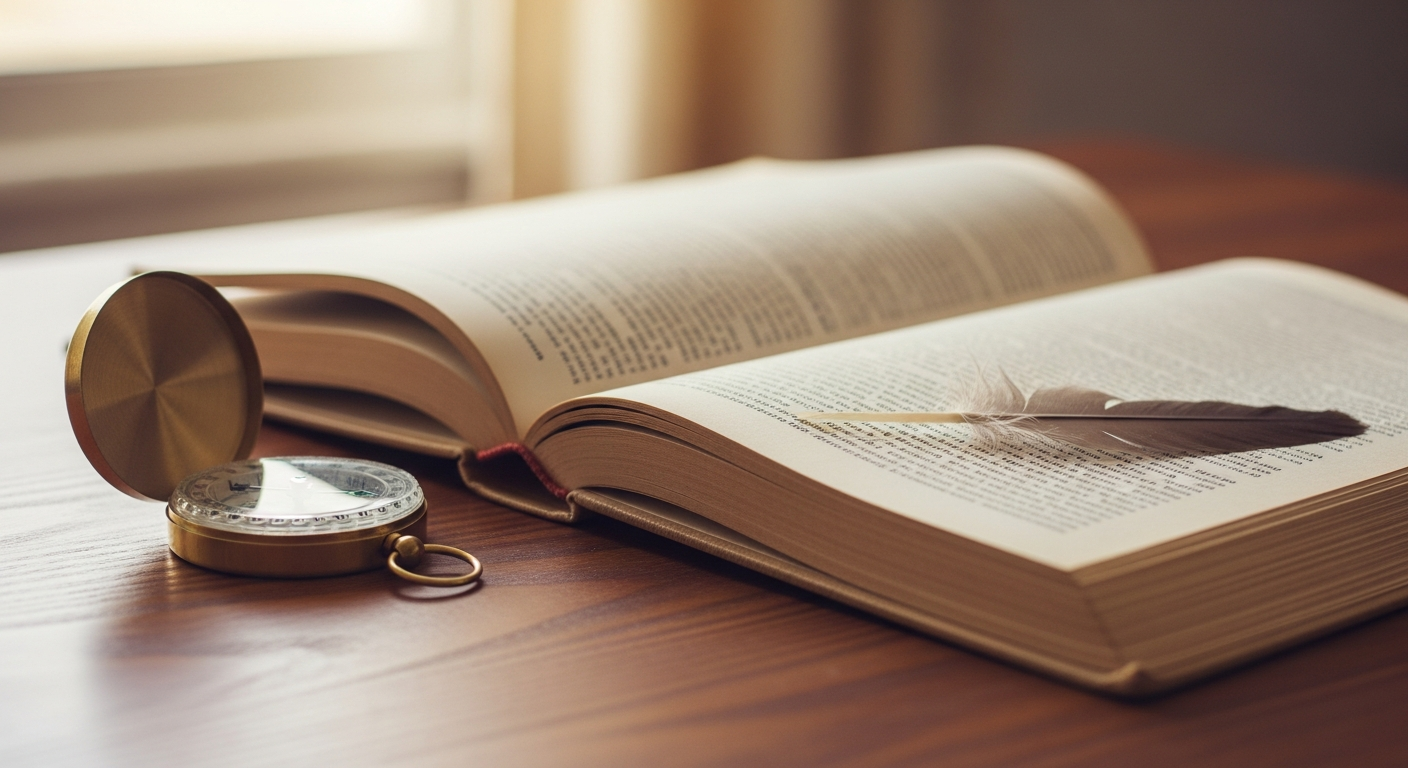
Coffee stains from airport waits or sand grains from a beach become integral parts of the guide’s character. Dog-eared pages mark places you wanted to revisit or sights that captivated you most. They are all unique identifiers of your path.
# A Relic of Adventures Past
Holding a torn travel guide can transport you back to specific moments. You might remember the excitement of planning, the thrill of discovery, or challenges overcome. It’s a powerful tool for sparking vivid recollections.
This guide isn’t just about where you’ve been; it’s also about where you might go next. Flipping through its pages can reignite your wanderlust. It can inspire you to revisit a favorite city or explore a new region.
Diagnosing the Damage: Common Wear and Tear
Before you can fix your beloved travelling guide torn, understand the extent and type of damage. A proper assessment guides your repair strategy, ensuring effective methods. Different types of damage require different approaches.
Examining each part of the guide helps create a repair plan. This step is crucial for both minor touch-ups and more extensive restoration. A thorough check is key.
# Understanding the Fray
Common issues include loose or detached pages, often from repeated use. The spine might be cracked or completely separated, especially with thicker guides. Tears can also appear on the cover or within the pages.
Water damage is another frequent culprit, leading to warped pages, faded ink, or even mold. Cover edges often show the most wear, becoming soft, bent, or torn from being tossed into bags. Identifying these specific problems is the first step towards recovery.
# Prioritizing Repairs
Not all damage is equal. Some issues require immediate attention to prevent further deterioration, while others can wait. Loose pages, for example, should be reattached quickly before they get lost.
Structural damage to the spine or cover might seem daunting but is often essential for the guide’s integrity. Minor tears on individual pages can sometimes wait, but addressing them early prevents them from growing larger. Prioritize fixes that ensure the guide stays together and readable.
DIY Repair Strategies for Your Travelling Guide Torn
Many common types of damage to a travel guide can be fixed with simple tools and patience. These DIY methods are cost-effective and allow you to personally restore your cherished companion. The key is to use the right materials and techniques to avoid causing further harm.
Always work in a clean, well-lit area to see the damage clearly. Gather all your supplies before you begin. Remember, the goal is to stabilize and preserve, not necessarily to make it look brand new.
# Simple Page Fixes
- Torn Pages: For simple tears, archival repair tape is your best friend. Unlike regular clear tape, archival tape is acid-free and won’t yellow or damage the paper over time. Apply it carefully to both sides of the tear, ensuring the edges meet perfectly.
- Loose Pages: If a page has come completely loose, use a small amount of pH-neutral, flexible bookbinding glue. Apply a thin bead along the spine edge of the page and carefully reinsert it. Press gently and allow it to dry completely under a light weight.
- Dog-Eared Corners: Gently flatten these by hand. For stubborn creases, place the page between two clean, heavy books for a few hours. Avoid ironing directly, as this can damage the ink or paper.
# Cover and Spine Solutions
The cover and spine are the guide’s first line of defense, often the first to show significant wear. Reinforcing these areas can greatly extend the life of your travelling guide torn. These fixes require a bit more precision.
- Frayed Edges: For minor fraying on the cover edges, a very thin layer of clear, flexible glue can seal the fibers and prevent further unraveling. Apply with a cotton swab and let it dry.
- Spine Cracks: If the spine has a small crack but is still attached, reinforce it with bookbinding tape or a strong, flexible fabric tape. Match the color if possible, or choose a clear option. Apply it smoothly along the spine, extending slightly onto the covers.
- Detached Cover: If the cover has separated entirely, you’ll need bookbinding glue. Apply glue to the original spine area of the text block and carefully reattach the cover. Clamp it gently between boards (protected by wax paper) until dry.
Professional Restoration: When to Call the Experts
While DIY methods are great for many common issues, some damage is beyond a home repair kit. Knowing when to seek professional help is crucial for preserving your travelling guide torn, especially if it holds significant value. A professional restorer has specialized skills and tools.
They can handle complex problems requiring a delicate touch and specific materials. Don’t hesitate to consult an expert if you’re unsure. It’s often better to prevent further damage than to attempt a repair you’re not equipped for.
# Assessing Severe Damage
- Extensive Water Damage: If your guide suffered major water damage, leading to mold, severe warping, or pages stuck together, a professional can often reverse much of the harm. They have methods to dry, clean, and flatten pages safely.
- Fragile Paper: Older or antique travel guides often have brittle paper. Any home repair attempt might cause more damage. Professionals use specific techniques and materials for delicate paper.
- Structural Integrity Issues: If the entire book block is coming apart, or the binding is completely disintegrated, a professional bookbinder can often rebind the guide, ensuring its longevity.
- Missing Sections: For guides with missing pages, a restorer might find suitable replacements or perform in-fills, though this can be costly.
# What a Professional Can Do
Book restorers and conservators are highly skilled artisans. They use archival-quality materials and techniques that are reversible and non-damaging. Their goal is to stabilize the item, make it usable, and ensure its long-term preservation without compromising its historical integrity.
They can perform intricate repairs, clean delicate paper, de-acidify pages to prevent future decay, and rebind entire books. They also understand the nuances of different paper types and binding styles. While professional services come with a cost, the investment can be worthwhile for truly irreplaceable items.
| Feature | DIY Repair (Home) | Professional Restoration (Expert) |
| **Cost** | Low (materials only) | High (labor, specialized materials) |
| **Skill Level** | Basic to Intermediate | Expert, trained conservator |
| **Tools Needed** | Archival tape, glue, weights, craft knife | Specialized presses, archival papers, bespoke tools |
| **Damage Type** | Minor tears, loose pages, frayed covers | Severe water damage, mold, brittle paper, complete rebind |
| **Result** | Functional, preserved for continued use | Long-term preservation, historical integrity maintained |
| **Timeframe** | Quick fixes (hours to days) | Weeks to months, depending on complexity |
| **Risk of Damage** | Moderate (if incorrect materials/techniques used) | Low (highly skilled, insured) |
Preserving Your Travel Guide for Future Generations
Once your travelling guide torn is repaired, or even if it’s still in good condition, proper preservation is key. You want to ensure these precious memories and valuable information last for years. Thoughtful storage and care can prevent future damage and slow the natural aging process.
Think of it as protecting a family heirloom. A little effort now makes a huge difference in how well your guide holds up over time. This section offers practical advice for keeping your guide in top shape.
# Proper Storage Techniques
- Avoid Extreme Conditions: Keep your guide away from direct sunlight, which can fade ink and yellow pages. Also, avoid areas with high humidity or extreme temperature fluctuations, as these can lead to warping, mold, or insect damage.
- Acid-Free Materials: Store your guide in acid-free boxes or sleeves. Regular paper and cardboard can leach acids over time, causing pages to become brittle and discolored.
- Flat Storage: For guides with soft covers or weakened spines, storing them flat can help maintain their shape. If storing upright, ensure they are supported by other books to prevent slumping.
- Clean Hands: Always handle your guide with clean, dry hands to avoid transferring oils and dirt onto the pages.
# Digital Archiving: A Modern Approach
In addition to physical preservation, consider creating a digital archive of your guide. This provides a backup in case the physical copy ever suffers irreversible damage. It also makes your notes and highlights searchable and shareable.
Scanning important pages, maps, or annotated sections can be a rewarding project. You can use a flatbed scanner for high-quality images or even a good smartphone camera for quick captures. Organize these digital files clearly on your computer or cloud storage.
“Preserving physical artifacts ensures their historical presence, but digital archiving guarantees their accessibility and longevity in an ever-evolving world. It’s not about replacing the original, but enhancing its legacy.”
Beyond Repair: How to Repurpose a Beloved, Torn Guide
Sometimes, a travelling guide torn is simply too damaged for effective repair. Or you might prefer to honor its journey in a different way. Even if it can no longer serve its original purpose, its pages are still rich with meaning and potential. Don’t discard it; instead, consider creative ways to give it a new life.
Repurposing allows you to keep the memories alive in a fresh, artistic form. It’s a wonderful way to celebrate the adventures the guide once shared with you. This can be a fun and meaningful project.
# Crafting & Art Projects
- Memory Collage: Cut out significant maps, photos, or interesting facts from the guide. Combine them with your own travel photos, tickets, and postcards to create a unique memory collage. Frame it for a personal piece of art.
- Decoupage: Use sections of maps or text to decoupage a piece of furniture, a journal cover, or a picture frame. This transforms everyday objects into personal travel mementos.
- Map Art: Frame a particularly beautiful or meaningful map from your guide. You can highlight your route or favorite spots on it before framing.
- Scrapbooking Elements: Incorporate torn pages, specific city names, or illustrations into a travel-themed scrapbook. These elements add authenticity and depth to your memories.
# Inspiring New Adventures
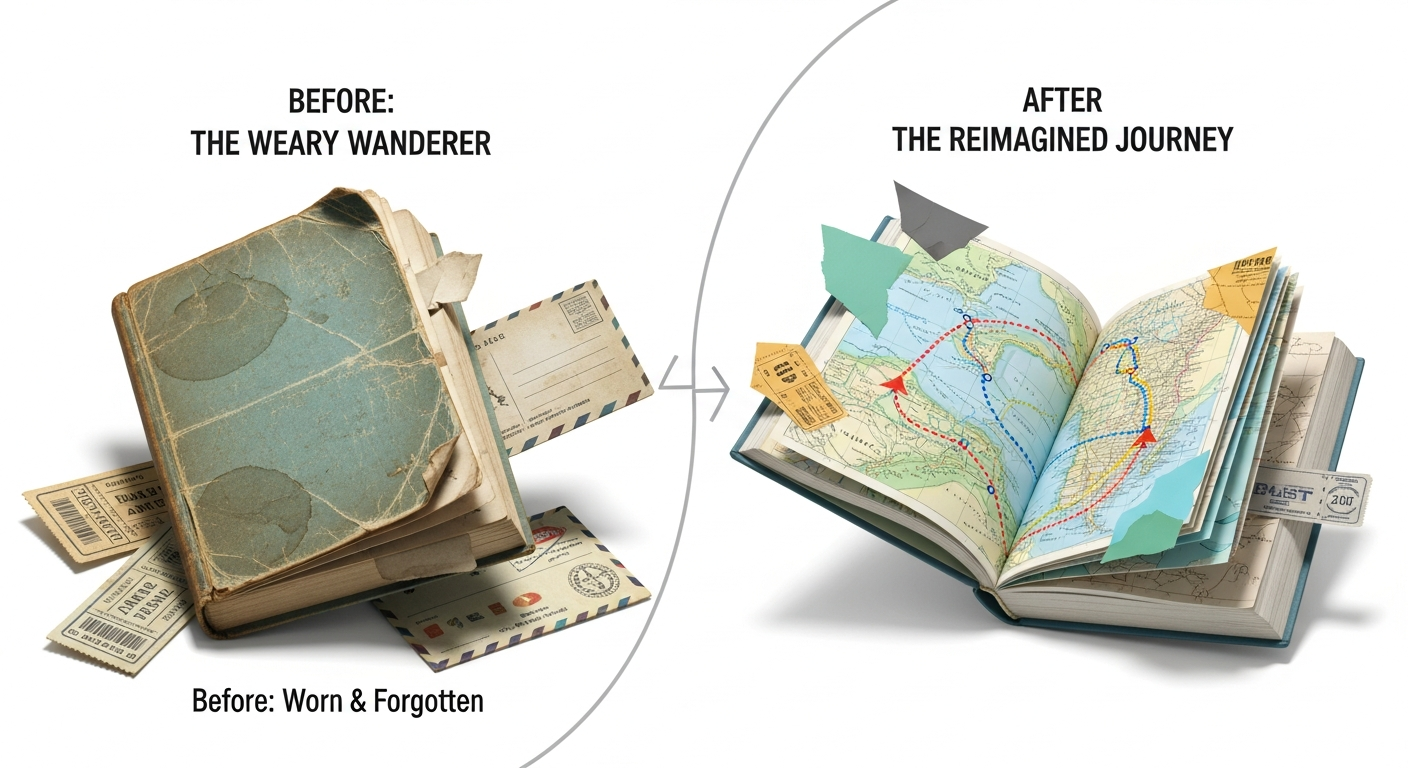
Even in its fragmented state, your guide can continue to inspire. Its content can be a source of future travel ideas or a prompt for reflection. The spirit of adventure remains embedded in its very fibers.
- Travel Journal Cover: Use a sturdy section of the guide’s cover or a particularly scenic page to create a custom cover for a new travel journal. This symbolizes carrying the old adventures into the new.
- Memory Prompts: Cut out individual words, city names, or landmarks and put them in a jar. Whenever you need inspiration, pull one out and reflect on the memories associated with it, or research it for a future trip.
- Gift of Inspiration: If a friend is planning a trip to a destination covered in your guide, carefully remove and frame a relevant map section or a poignant quote to give them as a unique and personal gift.
Conclusion: Your Guide’s Enduring Journey
Your travelling guide torn is far more than just paper and ink. It’s a silent witness to your explorations, a repository of personal discoveries, and a tangible link to cherished memories. Whether through careful repair, professional restoration, or creative repurposing, its journey doesn’t have to end when its pages fray.
By embracing these methods, you honor the adventures you’ve had and ensure that the stories within its pages continue to inspire. Give your beloved guide the care it deserves, and it will continue to be a source of joy, reflection, and future travel dreams for years to come. Every tear tells a tale; every mend adds a new chapter.
Frequently Asked Questions About Your Travelling Guide Torn
Q1: Can I use regular scotch tape to fix a torn page in my travel guide?
A1: It’s best to avoid regular scotch tape. It tends to yellow over time, lose its adhesive quality, and can actually damage the paper. Instead, use acid-free archival repair tape, which is designed for long-term preservation and won’t harm your guide.
Q2: My travel guide smells musty from water damage. How can I fix this?
A2: For a musty smell, try placing the open guide in a dry, well-ventilated area, possibly with a fan, but out of direct sunlight. You can also place it in a sealed container with an open box of baking soda or activated charcoal for a few days to absorb odors. If there’s mold, professional restoration is highly recommended to prevent further damage and health risks.
Q3: Is it worth repairing a very old or rare travel guide myself?
A3: For very old, rare, or valuable travel guides, it is generally not advisable to attempt DIY repairs. These items require specialized knowledge and materials. Consulting a professional book conservator or restorer is the safest way to ensure its long-term preservation and maintain its value.
Q4: How can I prevent my travel guide from getting torn in the first place?
A4: Prevention is key! Use a protective cover or sleeve for your guide, especially when carrying it in a bag. Avoid over-stuffing your bag, which can crush the spine. Handle it gently, and try not to force pages open flat if the binding is stiff. Proper storage when not traveling also helps.
Q5: What’s the difference between bookbinding glue and regular craft glue for repairs?
A5: Bookbinding glue (often PVA-based) is specifically formulated to be flexible, strong, and pH-neutral, which means it won’t damage paper over time. Regular craft glues can be acidic, brittle when dry, and may not offer the necessary strength or longevity for book repairs, potentially causing more harm in the long run.