Travel 6 Weeks Postpartum: Your Guide to Safe & Happy Journeys
Becoming a new parent is an incredible journey filled with immense joy, sleepless nights, and countless firsts. As you navigate the early weeks with your newborn, the idea of getting out and exploring the world again might start to blossom. For many new mothers, the six-week mark often feels like a significant milestone, a signal that perhaps life can begin to resemble some semblance of normalcy, including the possibility of travel. But is traveling 6 weeks postpartum truly safe and advisable? This comprehensive guide will help you understand the considerations, preparations, and precautions needed to ensure your journey is both safe and enjoyable for you and your little one.
After childbirth, your body undergoes a remarkable recovery process. The first six weeks are particularly crucial for healing and adjustment. While the desire for a change of scenery or a visit to loved ones is strong, prioritizing your health and your baby’s well-being is paramount. We’ll delve into expert advice, practical tips, and essential checklists to empower you to make informed decisions about traveling at this delicate stage. Let’s explore how to navigate your postpartum travel plans with confidence and peace of mind.
Key Takeaways for Postpartum Travel
- Doctor’s Clearance is Essential: Always consult your healthcare provider at your 6-week postpartum checkup before making any travel plans. Their medical advice is crucial for both your health and your baby’s.
- Prioritize Your Recovery: Understand that your body is still healing. Avoid strenuous activities and allow for plenty of rest during your trip.
- Plan for Flexibility: Traveling with a newborn means routines can change. Be prepared to adjust schedules for feeding, sleeping, and diaper changes.
- Pack Smart and Light: Focus on essentials for both you and your baby. Overpacking can add unnecessary stress.
- Stay Hydrated and Nourished: Self-care remains vital. Ensure you’re eating well and drinking enough water, especially if breastfeeding.
Understanding Your Body at 6 Weeks Postpartum
Reaching the six-week mark postpartum is a significant milestone. It often signifies the end of the initial recovery phase, but it’s important to remember that every mother’s body heals differently. Your physical and emotional state will heavily influence your readiness to travel.
Physical Recovery Milestones
By six weeks, many of the immediate postpartum symptoms might have lessened. Vaginal bleeding (lochia) typically reduces significantly or stops. C-section incisions are usually healing well externally, though internal healing continues. Your uterus has contracted back closer to its pre-pregnancy size. However, you might still experience fatigue, muscle soreness, and hormonal fluctuations.
It is common to still feel some discomfort, especially if you had a complicated birth or a C-section. Pelvic floor recovery is ongoing, and strenuous activity should still be limited. The focus remains on gentle healing and regaining strength. Listening to your body’s signals is more important than ever.
Emotional Well-being and Hormones
Beyond the physical, your emotional landscape is also shifting. Hormones are still regulating, which can lead to mood swings, anxiety, or feelings of overwhelm. The ‘baby blues’ might have subsided, but postpartum depression or anxiety can emerge at any time. Traveling can be exciting, but it also introduces new stressors. Consider how you generally cope with stress and how adding travel might impact your emotional well-being.
Taking care of your mental health is as important as your physical health. If you feel emotionally fragile or particularly anxious, postponing travel might be a wise decision. Support from your partner or a trusted friend can make a big difference if you do decide to travel.
The All-Important Doctor’s Clearance
Before you even think about booking tickets or packing bags, your 6-week postpartum checkup is non-negotiable. This appointment is crucial for both your health and your baby’s, providing the medical green light you need for any significant activity, including travel.
Why the 6-Week Checkup is Crucial
At this checkup, your doctor will assess your physical recovery, including your incision (if you had a C-section), uterine involution, and overall healing. They will also discuss your emotional health, contraception options, and any concerns you might have. For your baby, their 6-week checkup ensures they are growing well, feeding adequately, and receiving necessary immunizations. This is also the time to discuss any potential health issues that could be exacerbated by travel, such as a baby with a weakened immune system.
Your doctor will confirm if you are medically cleared for travel. This clearance is vital, especially for long distances or international trips where medical care might be different or less accessible. Without this official clearance, you risk your health and potentially your baby’s.
Discussing Travel Plans with Your Doctor
When you see your healthcare provider, be open and honest about your travel intentions. Discuss:
- Destination: Where are you planning to go? Is it local, domestic, or international?
- Mode of Transport: How will you be traveling (car, plane, train)?
- Duration: How long will you be away?
- Activities: What do you plan to do at your destination?
- Your Health: Any lingering symptoms, pain, or emotional struggles.
- Baby’s Health: Any specific concerns about your baby’s feeding, sleep, or general health.
They can offer tailored advice, suggest necessary vaccinations for international travel, or recommend specific precautions. Their guidance is invaluable in making an informed decision about your travel 6 weeks postpartum.
A mother gently cradles her newborn while looking out a window at a serene landscape, symbolizing a peaceful journey after the initial postpartum recovery period.
Planning Your Postpartum Trip: Key Considerations
Once you have medical clearance, the real planning begins. Thoughtful preparation can significantly reduce stress and enhance your travel experience with a newborn.
Destination Choice: Near or Far?
For your first trip postpartum, consider a destination that is relatively close to home. A shorter journey minimizes travel time and potential disruptions. Familiar environments or places where you have support (family, friends) can also be incredibly helpful. If you dream of a far-flung adventure, perhaps save it for a few months down the line when both you and your baby are more established.
Think about the climate, access to medical facilities, and the general pace of your chosen location. A relaxing beach vacation might sound appealing, but harsh sun or limited resources could be challenging with a newborn. Prioritize comfort and convenience over exotic excitement for now.
Mode of Transportation: Car, Train, or Plane?
Each travel method has its pros and cons when traveling 6 weeks postpartum. Your choice will depend on your destination, budget, and personal comfort levels.
| Travel Mode | Pros | Cons |
| **Car** | Flexible schedule, easy stops, private | Long drives can be tiring, motion sickness |
| **Train** | Room to move, scenic, less turbulence | Fixed schedule, limited routes |
| **Plane** | Fastest for long distances, can be restful | Security checks, confined space, ear pressure for baby |
For car travel, ensure frequent stops for feeding, diaper changes, and stretching. With train travel, you often have more space to walk around. Air travel requires checking airline policies on infants, understanding cabin pressure effects, and being prepared for security checkpoints. Always pack a ‘carry-on’ bag with immediate essentials for baby regardless of your travel mode.
Accommodation: Comfort is Key
When booking your stay, prioritize comfort and convenience. Look for places with:
- Kitchenette: Allows for easy meal prep and bottle sterilization.
- Separate Sleeping Area: Essential for you and baby to get quality rest.
- Laundry Facilities: A lifesaver with a newborn.
- Easy Access: Avoid multiple flights of stairs or complicated layouts.
- Quiet Location: Minimizes disturbances for baby’s sleep.
Consider staying with family or friends if they offer a supportive environment. This can reduce costs and provide an extra pair of hands.
Essentials for Traveling with a Newborn
Packing for a newborn can feel overwhelming. The key is to be prepared without overpacking. Think about what you use daily and how you can adapt it for travel.
Packing Smart for Mom and Baby
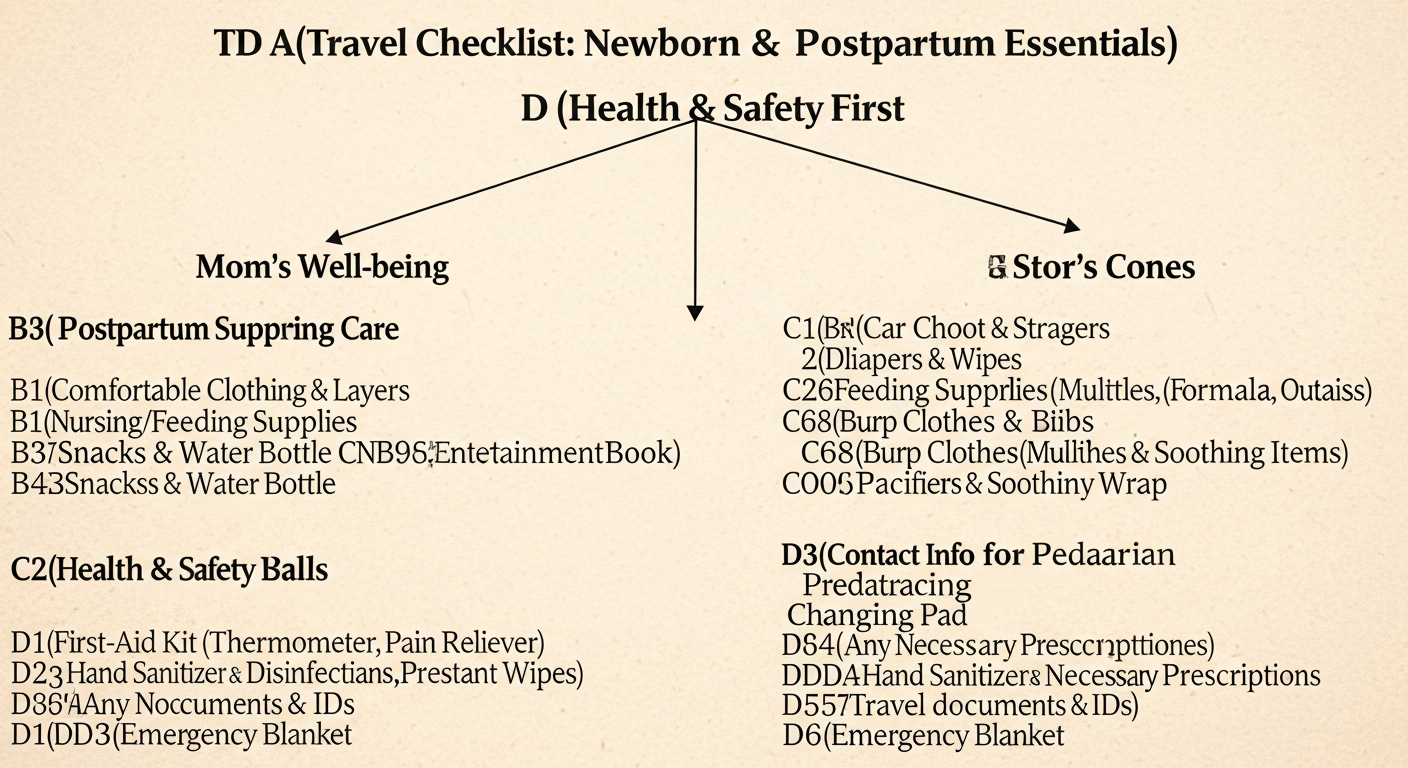
Here’s a basic checklist to get you started:
- For Baby:
- Diapers (plenty!): Estimate more than you think you’ll need.
- Wipes, diaper cream, changing pad.
- Multiple changes of clothes (for blowouts and spit-ups).
- Swaddles or sleep sacks.
- Portable sound machine or white noise app.
- Baby carrier or wrap (great for hands-free travel).
- Stroller (if practical for your destination).
- Pacifiers, favorite small toys.
- Baby thermometer and basic infant pain reliever.
- For Mom:
- Comfortable, easy-access clothing (especially if breastfeeding).
- Nursing pillow (if using one regularly).
- Breast pump and supplies (if applicable).
- Postpartum recovery essentials (pads, comfortable underwear).
- Any personal medications.
- Snacks and water bottle.
Feeding on the Go
Whether you’re breastfeeding, formula-feeding, or a combination, planning for feeding away from home is vital.
- Breastfeeding: Wear comfortable, nursing-friendly clothing. Research public breastfeeding laws and available private spaces at your destination. A nursing cover can offer privacy if desired.
- Formula-feeding: Pre-measure formula into a dispenser. Pack sealed, ready-to-feed bottles or sterilized bottles and purified water. Ensure you have access to clean water for mixing.
- Pumping: If pumping, bring all necessary equipment, including a portable pump, bottles, storage bags, and sterilization wipes. Plan for power access or a portable charger.
Sleep Strategies Away from Home
Newborns sleep a lot, but travel can disrupt their routine. Try to maintain some familiarity:
- Bring a familiar sleep sack or swaddle.
- Use a portable bassinet or travel crib if your accommodation doesn’t provide one.
- Mimic home sleep environment as much as possible (dark room, white noise).
- Be flexible. Naps might happen in a carrier or stroller more often.
Health and Safety Kit
A small, well-stocked first-aid kit is essential for unexpected minor issues:
- Infant acetaminophen or ibuprofen (consult pediatrician for dosage).
- Nasal aspirator and saline drops.
- Band-aids and antiseptic wipes.
- Thermometer (rectal for infants is most accurate).
- Any prescribed medications for mom or baby.
- Hand sanitizer.
- Sunscreen (for babies 6 months and older, otherwise shade is best) or insect repellent (if recommended by doctor).
A mother and father are seen laughing softly while holding their baby in a cozy hotel room, surrounded by travel essentials, illustrating a relaxed and prepared postpartum travel experience.
Prioritizing Your Well-being While Traveling
Traveling 6 weeks postpartum isn’t just about the baby; it’s crucially about you. Your recovery is still ongoing, and self-care is not a luxury—it’s a necessity.
Listening to Your Body
Pay close attention to any signs of fatigue, pain, or discomfort. Don’t push yourself to do too much. It’s okay to skip an activity, rest in your room, or ask for help. Postpartum bodies need time and gentle care. Overexertion can delay healing or lead to complications.
Managing Stress and Fatigue
Travel can be inherently stressful. Combine that with sleep deprivation and hormonal shifts, and it’s a recipe for exhaustion. Build in downtime every day. Take short naps when the baby sleeps. Delegate tasks to your partner or travel companions. Remember that a relaxed mom makes for a happier baby.
Seeking Support When Needed
“The postpartum period is a marathon, not a sprint. Traveling during this time requires an extra layer of planning and, crucially, a strong support system. Don’t be afraid to lean on your partner, family, or friends for help with baby care, errands, or simply emotional support. Your well-being directly impacts your ability to care for your newborn effectively.” – Dr. Elena Rodriguez, Pediatrician and Maternal Health Advocate.
This advice holds true whether you’re at home or away. If you’re feeling overwhelmed, speak up. Having an extra set of hands for an hour can make all the difference.
Navigating Common Travel Challenges
Even with the best planning, travel can present unexpected challenges. Being prepared for these can help you handle them calmly.
Jet Lag and Time Zones
If you’re crossing time zones, both you and your baby might experience jet lag. For babies, this often means disrupted sleep patterns. Try to adjust to the new time zone gradually, shifting feeding and sleep times by small increments each day before and after arrival. Maximize daylight exposure during the day and keep rooms dark at night to help reset your internal clocks.
Dealing with Unexpected Delays
Flights get delayed, traffic jams happen, and plans change. These are frustrating for anyone, but especially with a newborn. Pack extra snacks, diapers, and a change of clothes in your carry-on. Have entertainment ready for yourself (a book, podcast) and a calm mindset. Flexibility is your best friend when traveling with a baby.
Maintaining Routine (or embracing flexibility)
While newborns don’t have strict routines, they thrive on predictability. Try to maintain some elements of your home routine, like consistent bedtime rituals. However, be prepared to be flexible. Travel often throws routines out the window. Embrace the spontaneity a little, and know that you can re-establish your home routine once you return.
Conclusion
Traveling 6 weeks postpartum is certainly possible, but it requires careful consideration, thorough preparation, and realistic expectations. The most important step is obtaining medical clearance from your healthcare provider for both yourself and your baby. Once you have that, focus on choosing a suitable destination, planning your transportation and accommodation wisely, and packing efficiently.
Remember to prioritize your physical and emotional well-being throughout the journey. Listen to your body, manage stress, and don’t hesitate to seek support. With thoughtful planning and a flexible mindset, you can enjoy a safe, comfortable, and memorable trip with your newest family member. Embrace the adventure, savor these early moments, and create beautiful memories as a new family.
Frequently Asked Questions About Travel 6 Weeks Postpartum
Q1: Is it safe to fly with a newborn at 6 weeks postpartum?
A: Generally, it is considered safe for healthy full-term newborns to fly after two weeks of age. However, for mothers, it is crucial to get medical clearance at your 6-week postpartum checkup. Airlines also have their own policies regarding infant travel, so always check with your specific airline.
Q2: What are the main health risks for a mother traveling 6 weeks postpartum?
A: Risks can include increased fatigue, potential for blood clots (especially on long flights), delayed healing of C-section incisions or perineal tears, and emotional stress. Discuss these concerns with your doctor, who can provide personalized advice based on your recovery.
Q3: What should I pack in my carry-on for a baby when traveling 6 weeks postpartum?
A: For your baby’s carry-on, pack ample diapers, wipes, a changing pad, several changes of clothes, a swaddle, pacifiers, feeding supplies (formula, bottles, pump if needed), a small toy, and any necessary infant medications. Don’t forget hand sanitizer.
Q4: How can I manage breastfeeding or pumping while traveling?
A: Plan ahead by wearing nursing-friendly clothes. For breastfeeding, look for comfortable, private spots or use a nursing cover. If pumping, bring a portable pump, all accessories, and plan for power access. Many airports and public places now offer nursing pods or family rooms.
Q5: Should I travel alone with my baby at 6 weeks postpartum?
A: While possible, traveling alone with a newborn at 6 weeks postpartum can be very challenging due to the demands of caring for a baby while navigating travel logistics and your own recovery. It is highly recommended to travel with a partner, family member, or friend who can provide support and assistance.