Travel Keyboards: Your Essential Guide to On-the-Go Productivity
In today’s fast-paced world, staying productive often means working from anywhere. Whether you’re a digital nomad, a business traveler, or simply someone who enjoys getting things done while on vacation, relying solely on your smartphone or tablet’s on-screen keyboard can be a real challenge. The small keys, lack of tactile feedback, and cramped typing experience can slow you down and even cause discomfort.
Imagine being able to type emails, reports, or creative content with the same speed and comfort you get from a full-sized keyboard, no matter where you are. This is where the magic of a travel keyboard comes in. These compact, portable devices are designed to transform your mobile device into a powerful workstation, offering a physical typing experience that boosts efficiency and comfort away from your desk. They are a game-changer for anyone who needs to type more than a quick message while traveling.
This comprehensive guide will explore everything you need to know about travel keyboards. We’ll dive into their benefits, different types available, key features to look for, and even share some top picks for 2026. Get ready to upgrade your mobile productivity and make typing on the go a breeze.
Key Takeaways
- Enhanced Productivity: Travel keyboards significantly increase typing speed and accuracy compared to on-screen keyboards, making mobile work more efficient.
- Superior Comfort: They offer tactile feedback and a more ergonomic layout, reducing strain during extended typing sessions.
- Diverse Options: From foldable to rollable and mini Bluetooth models, there’s a travel keyboard designed for every traveler’s unique needs.
- Crucial Features: Prioritize portability, battery life, key feel, and device compatibility when selecting your ideal travel companion.
- Smart Investment: A high quality travel keyboard is an essential gadget for anyone who needs to stay productive while away from a traditional office setup.
Why a Travel Keyboard is Your Next Essential Gadget
For many, the idea of carrying an extra gadget might seem counterintuitive to light travel. However, a travel keyboard offers compelling advantages that quickly outweigh any minor inconvenience. It’s not just about typing; it’s about unlocking your full potential on the move.
Boosting Productivity on the Move
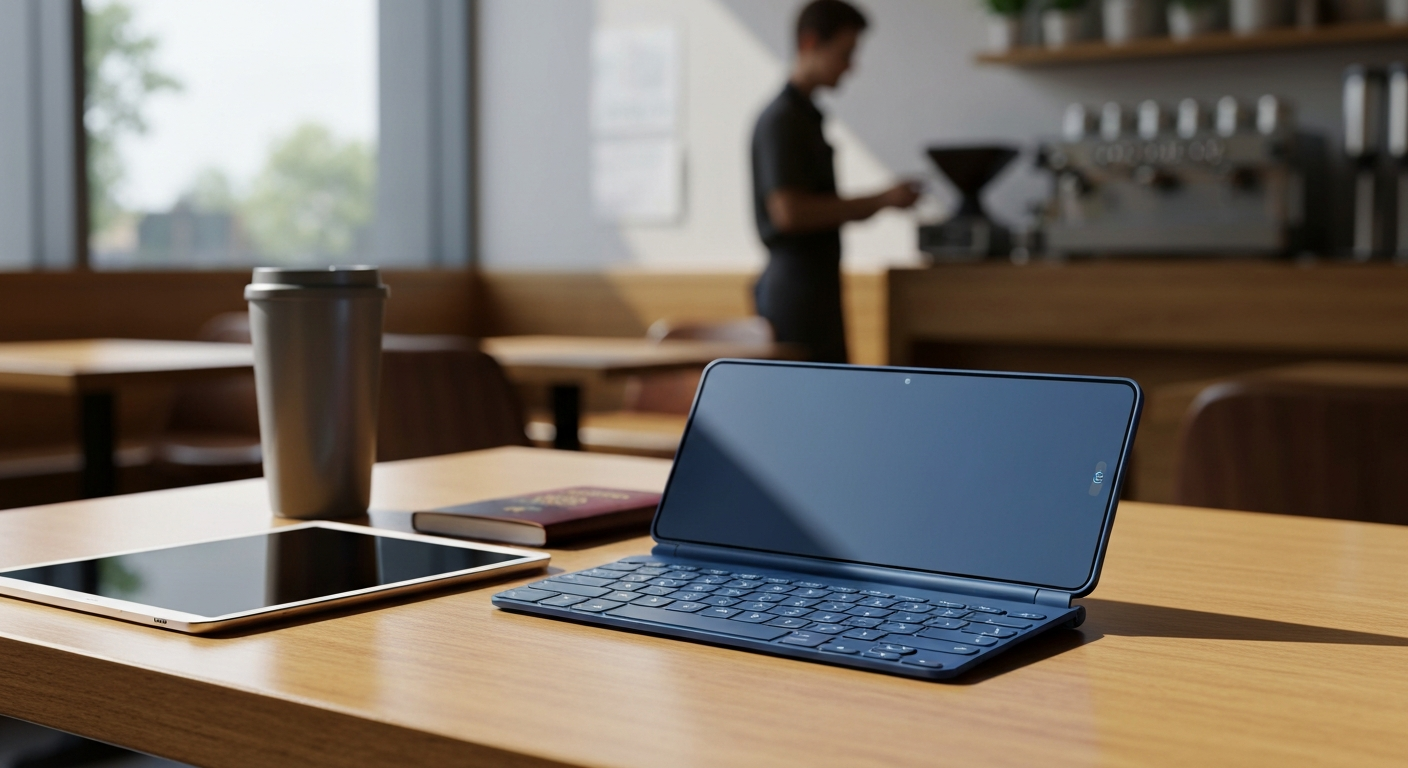
Typing on a touchscreen is inherently slower and more prone to errors. The lack of physical keys means you can’t touch type, and constant visual confirmation slows down your rhythm. A physical keyboard, even a compact one, allows for faster, more accurate input. This is crucial when you’re trying to meet deadlines, respond to important emails, or jot down ideas quickly. Imagine writing a full blog post or a detailed report from a coffee shop in Paris or a beachside resort. A travel keyboard makes it possible.
Ergonomics and Comfort
Staring down at a small screen, hunched over, and awkwardly pecking at virtual keys can lead to neck strain, wrist discomfort, and overall fatigue. Travel keyboards elevate your typing experience by providing a more natural hand position and tactile feedback. This not only makes typing more comfortable but also helps prevent repetitive strain injuries, allowing you to work longer without discomfort.
Versatility for Various Devices
Most modern travel keyboards connect via Bluetooth, making them compatible with a wide range of devices. This includes smartphones, tablets, laptops, and even smart TVs. This versatility means you can use one keyboard for all your portable gadgets, simplifying your travel tech setup. It’s a truly universal tool for mobile productivity.
Types of Travel Keyboards: Finding Your Perfect Match
The market offers a variety of travel keyboard designs, each with its own set of advantages. Understanding these differences will help you choose the best option for your specific travel style and needs.
Foldable Keyboards
These are perhaps the most popular type of travel keyboard. They typically fold in half or into thirds, becoming incredibly compact when not in use. When unfolded, they offer a near full size typing experience. They are great for those who need a balance between portability and comfortable typing. Many models feature sturdy hinges and a slim profile.
Rollable Keyboards
Made from flexible silicone, rollable keyboards can be rolled up into a small cylinder. They are highly durable, often spill proof, and very lightweight. Their main advantage is extreme portability and resistance to wear and tear. However, the key feel can sometimes be less satisfying than traditional keys, as they lack the distinct tactile click.
Mini Bluetooth Keyboards
These are compact, flat keyboards that don’t fold or roll but are simply smaller versions of standard keyboards. They are often very thin and lightweight, making them easy to slip into a bag. While they offer a consistent key feel, their smaller size might require some adjustment for users accustomed to full size keyboards. They are ideal for quick typing tasks.
Tablet Keyboard Cases
Specifically designed for tablets, these cases integrate a keyboard directly into the protective cover. They offer a seamless experience, turning your tablet into a mini laptop. The keyboard is always with your tablet, offering protection and functionality in one package. However, they are device specific and don’t offer the same universal compatibility as standalone Bluetooth keyboards.
Key Features to Look For in a Travel Keyboard
Choosing the right travel keyboard involves more than just picking a type. Several key features contribute to a great user experience. Consider these factors carefully before making a purchase.
Portability and Size
This is paramount for any travel accessory. Look for keyboards that are lightweight and compact when folded or stored. Consider the dimensions when packed versus when in use. A keyboard that fits easily into your carry on or even a jacket pocket is ideal.
Connectivity (Bluetooth vs. Wired)
Most travel keyboards are Bluetooth enabled for wireless convenience. This allows for a clean setup with no tangled wires. Some smaller models might be wired, connecting via USB. Bluetooth is generally preferred for travel due to its versatility and lack of cables, but always ensure your device supports it.
Battery Life
Long battery life is crucial for travel. You don’t want your keyboard dying in the middle of an important task. Look for models that offer dozens or even hundreds of hours of typing on a single charge. USB-C charging is a bonus for modern convenience.
Key Feel and Layout
The tactile feedback of the keys can greatly impact your typing speed and comfort. Some prefer a scissor switch mechanism for a laptop like feel, while others might prefer membrane keys for quietness. Pay attention to the layout; a familiar QWERTY layout is standard, but check for any unusual key placements that might hinder your typing flow.
Durability and Build Quality
Travel means bumps and jostles. A good travel keyboard should be built to withstand the rigors of being on the road. Look for robust materials, strong hinges on foldable models, and spill resistance if possible. This ensures your investment lasts through many trips.
Compatibility
Ensure the keyboard is compatible with your primary devices. While most Bluetooth keyboards work across iOS, Android, and Windows, it’s always wise to double check specific model compatibility lists to avoid any issues.
Top Travel Keyboard Picks for 2026
To help you narrow down your choices, here’s a comparison of popular travel keyboard types and what they offer.
| Feature | Foldable Keyboard | Rollable Keyboard | Mini Bluetooth Keyboard | Tablet Keyboard Case |
| **Portability** | Excellent (folds small) | Superior (rolls into a cylinder) | Very Good (slim, compact) | Good (integrated with tablet) |
| **Key Feel** | Good (often scissor switch) | Varies (can be soft, less tactile) | Good (often scissor or membrane) | Good (designed for tablet) |
| **Durability** | Good (sturdy hinges, can be rigid) | Excellent (flexible, spill proof) | Good (solid build, no moving parts) | Excellent (protects tablet) |
| **Connectivity** | Bluetooth | Bluetooth | Bluetooth | Bluetooth (often via smart connector) |
| **Battery Life** | Long (weeks to months) | Long (weeks to months) | Long (weeks to months) | Integrated with tablet or long battery |
| **Ideal User** | Frequent typists needing near full size | Adventurous travelers, extreme portability | Casual typists, minimalists | Tablet users seeking laptop experience |
| **Pros** | Compact, good typing, sturdy | Highly portable, durable, spill proof | Very slim, straightforward design | All in one, always with tablet, protective |
| **Cons** | Hinges can be weak over time | Less tactile key feel, can feel ‘rubbery’ | Smaller keys, might feel cramped | Device specific, adds bulk to tablet |
Maximizing Your Travel Keyboard Experience
Once you’ve chosen your ideal travel keyboard, a few tips can help you get the most out of it and ensure a smooth, productive experience on every trip.
Setup and Pairing Tips
Pairing a Bluetooth keyboard is usually straightforward. Turn on the keyboard, activate its pairing mode (often a dedicated button or key combination), and then search for it in your device’s Bluetooth settings. Make sure your device’s Bluetooth is enabled. For multi device keyboards, learn the shortcut to switch between paired devices for seamless transitions.
Keyboard Shortcuts for Efficiency
Many travel keyboards support standard operating system shortcuts. Learn common shortcuts for copy, paste, undo, switching apps, and accessing system functions. This can drastically speed up your workflow and reduce reliance on touchscreen gestures. For example, `Ctrl+C` (Windows/Android) or `Cmd+C` (iOS/macOS) for copy is a universal time saver.
Protecting Your Investment
Travel can be rough on electronics. If your keyboard doesn’t come with a protective case, consider purchasing one. For foldable keyboards, ensure the hinges are not subjected to undue stress. Keep it away from liquids and extreme temperatures. A little care goes a long way in extending the life of your travel companion.
Common Misconceptions About Travel Keyboards
There are a few myths surrounding travel keyboards that might deter potential users. Let’s clear these up to provide a more accurate picture.
“Travel keyboards are flimsy and break easily.”
While some cheaper models might lack robust construction, many reputable brands offer durable travel keyboards made with high quality materials and strong designs. They are built to withstand the rigors of travel, not just sit on a desk.

Another common misconception is that “the battery life is too short for long trips.” This is largely untrue for modern travel keyboards. Most models boast impressive battery lives, often lasting for weeks or even months on a single charge. Energy efficient Bluetooth technology and automatic sleep modes contribute to this extended endurance, making them reliable companions for even the longest journeys.
Conclusion
A travel keyboard is far more than just a novelty; it’s a vital tool for anyone who needs to maintain productivity and comfort while away from their main workspace. By offering a familiar and efficient typing experience, these compact devices empower you to work, write, and create from virtually anywhere. From boosting your typing speed to improving ergonomics, the benefits are clear.
By considering factors like portability, key feel, battery life, and compatibility, you can confidently select the perfect travel keyboard that aligns with your specific needs and travel habits. Invest in a quality travel keyboard today, and transform your mobile device into a powerful, portable workstation ready for any adventure March 27, 2026, and beyond.
FAQ Section
Q1: Are travel keyboards worth the investment?
Yes, absolutely. For anyone who types regularly on a smartphone or tablet, a travel keyboard significantly enhances productivity, comfort, and typing speed, making it a worthwhile investment.
Q2: What’s the best type of travel keyboard for a tablet?
For seamless integration and protection, a tablet keyboard case is often the best choice. However, a foldable or mini Bluetooth keyboard offers more versatility if you use multiple devices.
Q3: How long do travel keyboard batteries typically last?
Most modern travel keyboards offer excellent battery life, ranging from several weeks to a few months of typical use on a single charge, thanks to energy efficient Bluetooth and automatic sleep functions.
Q4: Can I use a travel keyboard with multiple devices?
Many advanced travel keyboards feature multi device pairing, allowing you to quickly switch between two or three paired devices (like a phone, tablet, and laptop) with a simple key press.
Q5: Are mechanical travel keyboards available?
While less common due to size and weight, some brands do offer compact mechanical travel keyboards. These provide a superior tactile typing experience but are generally heavier and bulkier than non mechanical options.