Travel Medical Assistant Jobs: Your Ultimate Guide to a Dynamic Career on the Go
Are you a certified medical assistant with a desire for adventure and new experiences? Do you dream of a career that combines your passion for healthcare with the thrill of exploring different parts of the country? If so, then travel medical assistant jobs might be the perfect path for you.
The healthcare industry is always evolving, and with it, new opportunities emerge for skilled professionals. Travel medical assisting offers a unique blend of professional growth, financial stability, and personal freedom. It allows you to step outside the traditional clinic setting and embrace a dynamic lifestyle, all while making a real difference in patient care across various communities.
This comprehensive guide will walk you through everything you need to know about becoming a travel medical assistant. We will cover the benefits, requirements, typical pay, and practical tips for navigating this exciting career. Get ready to pack your bags and take your medical assisting career to new heights!
Key Takeaways
- Travel medical assistants fill temporary staffing needs across diverse healthcare settings nationwide.
- The role offers competitive pay, often including non-taxable stipends for housing and meals.
- Travel MAs gain invaluable experience, enhancing their skills and professional network.
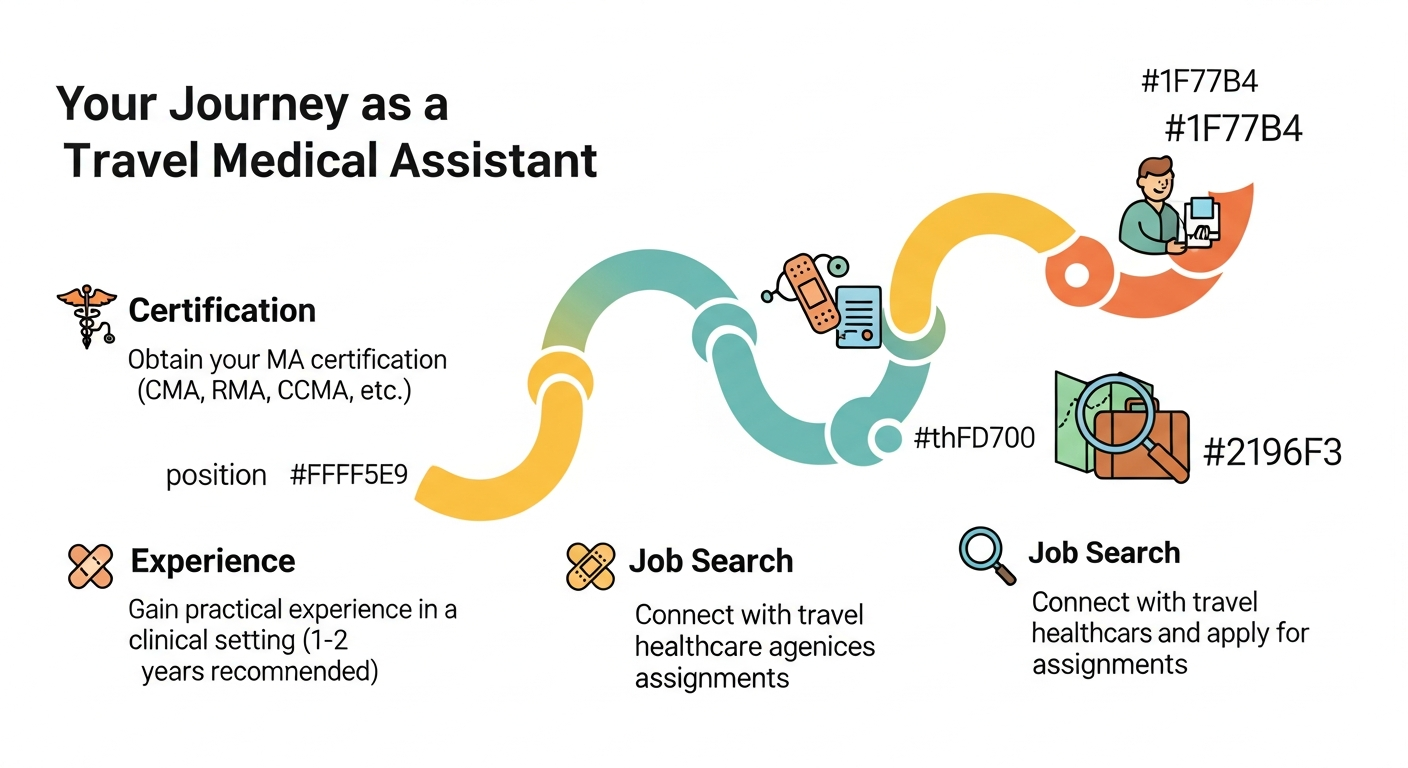
- Key requirements include MA certification, at least 1-2 years of experience, and strong adaptability.
- Finding roles often involves working with specialized healthcare staffing agencies.
What Exactly is a Travel Medical Assistant?
Defining the Role
A medical assistant (MA) is a vital part of any healthcare team, performing a mix of administrative and clinical tasks. They might greet patients, update medical records, take vital signs, assist doctors during exams, or even draw blood. Their work helps clinics run smoothly and ensures patients receive excellent care.
Travel medical assistants perform these same essential duties, but on a temporary, contract basis. Instead of working for one facility long-term, they accept assignments that typically last from 8 to 26 weeks. These assignments can be in various locations, from bustling city hospitals to rural clinics needing extra help.

Why Travel? The Unique Appeal
The appeal of travel medical assisting is clear: variety and adventure. You get to experience different medical practices and patient populations, which broadens your skillset significantly. Each new assignment brings fresh challenges and learning opportunities.
Beyond professional growth, the lifestyle is a huge draw. Imagine exploring a new city on your days off, meeting new people, and experiencing diverse cultures. This career path allows you to avoid the routine of a permanent position and inject excitement into your professional life. It truly combines work with wanderlust.
The Benefits of Travel Medical Assisting
Choosing a travel medical assistant career comes with a host of advantages that appeal to many healthcare professionals. These benefits span financial, professional, and personal aspects, making it a highly attractive option for those looking for more from their career.
Financial Rewards
One of the most significant draws for travel MAs is the potential for higher earnings. Travel contracts often offer more competitive hourly rates compared to permanent positions. This is partly because facilities are willing to pay a premium to fill immediate staffing gaps with skilled professionals.
Additionally, travel packages frequently include non-taxable stipends for housing, meals, and other incidentals. These stipends can significantly boost your take-home pay, allowing you to save more or enjoy your time in new locations without financial strain. It is a smart way to maximize your income while working.
Professional Growth
Working in different healthcare settings exposes you to a wide array of medical practices, technologies, and patient cases. This diverse exposure helps you develop a broader range of clinical and administrative skills. You might learn new charting systems, assist in different specialties, or adapt to various team dynamics.
This continuous learning and skill diversification make you a more versatile and marketable professional. Each assignment adds valuable experience to your resume, making you an even more attractive candidate for future roles, whether they are travel or permanent positions. Networking with professionals nationwide is also a huge plus.
Personal Freedom and Adventure
Travel medical assisting offers unparalleled freedom. You have the flexibility to choose assignments that fit your lifestyle, whether you want to stay close to home or explore a new state. This control over your career path is a major advantage for many.
Imagine finishing an assignment in a vibrant city and then taking a few weeks off to travel or visit family before starting your next contract. This flexibility helps prevent burnout and allows for a better work-life balance. It is an opportunity to truly live and work on your own terms.
Essential Requirements to Become a Travel Medical Assistant
Embarking on a career as a travel medical assistant requires meeting specific educational, experiential, and personal criteria. These ensure you are well-prepared to handle the demands of temporary placements and diverse healthcare environments.
Education and Certification
To become a medical assistant, you typically need to complete an accredited medical assisting program. These programs are usually offered at community colleges or vocational schools and can result in a certificate, diploma, or associate’s degree. Accreditation is key for future certification.
After completing your program, obtaining national certification is crucial. The most recognized certifications include Certified Medical Assistant (CMA) through the American Association of Medical Assistants (AAMA) or Registered Medical Assistant (RMA) through American Medical Technologists (AMT). Many travel agencies and facilities prefer or require certified MAs.
Experience Matters
While some entry-level MA jobs exist, travel medical assistant roles almost always require prior experience. Most agencies look for candidates with at least 1-2 years of hands-on experience in a clinical setting. This ensures you are proficient in core MA duties and can quickly adapt to new environments without extensive training.
Having a diverse background in various medical specialties, such as family medicine, pediatrics, or internal medicine, can also be a significant advantage. The more versatile your experience, the more appealing you will be to facilities needing immediate support across different departments.
Key Skills and Attributes
Beyond formal qualifications, certain personal attributes are essential for a successful travel MA. Adaptability is paramount, as you will constantly adjust to new teams, procedures, and electronic health record systems. Strong communication skills are also vital for quickly integrating into new environments and interacting with diverse patients and staff.
Other important skills include excellent organizational abilities, a strong work ethic, problem-solving capabilities, and a high degree of independence. Being resourceful and proactive will help you thrive in temporary assignments. A positive attitude and professional demeanor are always valued.
Navigating the Job Search: Finding Travel MA Roles
Finding the right travel medical assistant job requires a targeted approach. Understanding where to look and how to present yourself effectively can make all the difference in securing desirable assignments.
Where to Look
The most common and effective way to find travel medical assistant jobs is through specialized healthcare staffing agencies. These agencies have established relationships with hospitals and clinics nationwide that frequently need temporary staff. They can match your skills and preferences with available contracts.
Popular online job boards also list travel MA positions, but using agencies often provides more support with licensing, housing, and travel arrangements. Networking with other travel healthcare professionals can also open doors to opportunities you might not find elsewhere.
Crafting Your Application
Your resume should clearly highlight your certifications, years of experience, and any specialized skills or diverse clinical backgrounds. Emphasize your adaptability, reliability, and willingness to travel. Tailor your cover letter to each application, expressing your enthusiasm for the specific location or type of facility.
Prepare for interviews by researching the facility and asking thoughtful questions about the team, patient population, and daily responsibilities. Show confidence in your abilities and your readiness to jump into a new role quickly. Being proactive and organized will set you apart.
| Feature | Permanent MA Role | Travel MA Role |
| **Job Stability** | High, long-term employment | Contract-based, temporary (8-26 weeks) |
| **Work Variety** | Limited to one facility/specialty | High, diverse facilities and patient populations |
| **Compensation** | Consistent salary, standard benefits | Higher hourly rates, non-taxable stipends, some benefits |
| **Location** | Fixed geographic location | Flexible, nationwide travel opportunities |
| **Experience** | Deepens expertise in one setting | Broadens skills across various practices |
| **Flexibility** | Standard work schedule, less personal time off | Choose assignments, breaks between contracts |
| **Housing** | Self-arranged | Often includes housing stipends or provided housing |
Typical Pay and Contracts for Travel MAs
Understanding the financial aspects and contract structures is crucial for anyone considering travel medical assistant jobs. Compensation packages can vary significantly, and knowing what to expect will help you make informed decisions.
Understanding Compensation Packages
Travel medical assistants generally earn more than their permanently employed counterparts. This higher pay often comes from a combination of a competitive hourly wage and non-taxable stipends. These stipends are designed to cover housing, meals, and other living expenses while you are on assignment.
It’s important to remember that the non-taxable portion is a significant financial benefit. Always clarify with your agency what is included in your total compensation package, such as health insurance, retirement plan options, and travel reimbursements. A transparent agency will provide a clear breakdown of your pay.
Contract Lengths and Flexibility
Most travel MA contracts range from 8 to 13 weeks, though some can extend to 26 weeks or longer. The exact duration depends on the facility’s needs and the specific assignment. Many MAs enjoy the flexibility this offers, allowing them to take breaks between contracts for personal travel or family time.
Extensions are often possible if both you and the facility are happy with the arrangement. This can provide a sense of continuity if you enjoy a particular location or team. However, being prepared for the end of a contract and the start of a new search is part of the travel MA experience.
Is Travel Medical Assisting Right for You?
Deciding if a travel medical assistant career is a good fit involves honest self-reflection. It offers incredible rewards but also presents unique challenges that require a certain mindset and personality.
Self-Assessment Questions
Ask yourself: Are you truly adaptable and open to constant change? Do you enjoy the thrill of discovering new places and meeting new people? Are you comfortable with temporary living situations and being away from your permanent home for extended periods? These questions can help you gauge your readiness.
Consider your comfort level with learning new systems and working with different personalities frequently. While exciting, it also requires a high degree of flexibility and a willingness to step outside your comfort zone. If these ideas excite you rather than cause apprehension, travel medical assisting might be your calling.
Overcoming Challenges
Even the most adventurous individuals can face challenges. Homesickness is common, especially during longer assignments. Developing strategies to stay connected with loved ones and finding ways to make your temporary housing feel like home can help. Exploring your new surroundings actively can also combat loneliness.
Adjusting to new clinic workflows, electronic health record systems, and team dynamics takes effort. Be patient with yourself and proactive in asking questions. Financial management between contracts is also key; ensuring you have a buffer for downtime is a smart practice. Every challenge overcome makes you a stronger professional.
“The demand for flexible healthcare professionals, including medical assistants, continues to grow. Travel roles offer a unique pathway for skilled individuals to not only advance their careers but also contribute significantly to healthcare access in underserved or high-demand areas. It’s a win-win for both the professional and the community.”
*– Dr. Evelyn Reed, Healthcare Workforce Strategist*
Conclusion
Travel medical assistant jobs offer an exciting and rewarding career path for MAs seeking adventure, professional growth, and enhanced earning potential. From diverse clinical experiences to the freedom of exploring new places, the benefits are substantial. While it demands adaptability and resilience, the personal and professional rewards often far outweigh the challenges.
If you are a certified medical assistant ready to embrace change and make a significant impact across various healthcare settings, then exploring travel opportunities could be your next best career move. Start researching agencies, polish your resume, and prepare for a journey that will enrich your career and your life. The open road of healthcare awaits!
Frequently Asked Questions (FAQs)
Q1: What qualifications do I need to be a travel medical assistant?
A1: You typically need to complete an accredited medical assisting program and hold a national certification (like CMA or RMA). Most agencies also require at least 1-2 years of clinical experience.
Q2: How long do travel medical assistant assignments usually last?
A2: Most assignments range from 8 to 13 weeks, though some can be shorter or longer, extending up to 26 weeks, depending on the facility’s needs.
Q3: Do travel medical assistants get paid more than permanent MAs?
A3: Often, yes. Travel medical assistants typically receive competitive hourly rates along with non-taxable stipends for housing, meals, and incidentals, which can significantly increase their overall take-home pay.
Q4: Will I receive benefits like health insurance as a travel MA?
A4: Many reputable travel healthcare agencies offer benefits packages, including health insurance, dental, vision, and sometimes even retirement plans. It is important to discuss these options with your chosen agency.
Q5: How do I find travel medical assistant jobs?
A5: The best way to find travel MA jobs is by partnering with specialized healthcare staffing agencies. They have extensive networks and can help match you with suitable assignments, manage paperwork, and assist with travel logistics.