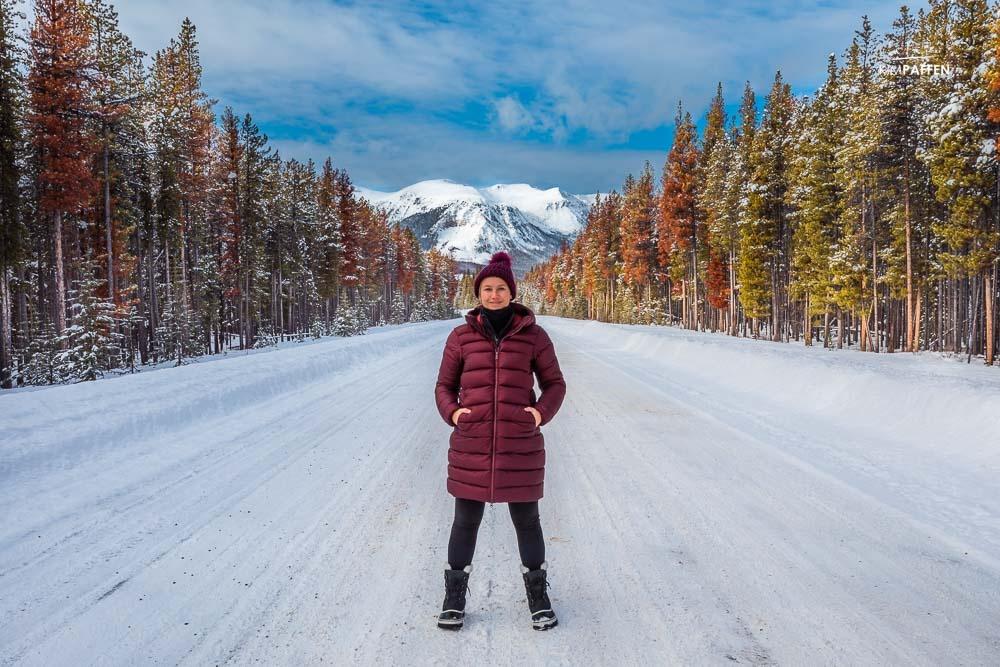

Heading to Canada for the holidays? Whether you’re landing in Toronto, Vancouver or somewhere colder in the Canadian Rockies, a solid winter travel checklist for Canada 2025 will help you arrive ready instead of scrambling. With frosty air, icy sidewalks and snow-covered landscapes, packing smart can make the difference between “wow, this is amazing” and “why did I forget gloves?”
In this guide, you’ll learn exactly what to pack for cold weather, the best travel gear for Canadian winter, and airport essentials that make a long journey from warmer countries much smoother.
What to Pack for Cold Weather
When you arrive in Canada during late November or December, temperatures can vary widely depending on the region. Even milder cities feel cold compared to tropical or warm climates. Layering is absolutely essential, it helps you stay warm while giving flexibility indoors and outdoors.
Base Layers and Outerwear
Start with a good base layer: thermal underwear or merino wool long-johns work best. These trap body heat and wick moisture away. Add a mid-layer like a fleece or wool sweater, then finish with a high-quality outer shell, an insulated, windproof, and waterproof jacket that can handle subzero temperatures. A serious winter jacket is not optional in Canada.
Legs, Boots and Accessories
Your lower half needs as much attention as your upper body. Invest in snow-friendly footwear that’s insulated, waterproof and slip-resistant. In cities, boots with rubber soles and warm lining are a must. For outdoor adventures, insulated snow boots work best.
Wear thick socks (preferably wool or thermal), and don’t forget accessories: warm gloves or mittens, a snug hat (called a toque in Canada) and a scarf or neck warmer. A good rule of thumb is to keep no skin exposed when it’s below freezing.
Skin, Sun, and Cold-Weather Care
Cold weather dries skin quickly, so pack moisturizer, lip balm and hand cream. Use lip balm with SPF protection—snow reflects sunlight and can cause unexpected sunburn. Sunglasses are also helpful when walking on bright, snowy days.
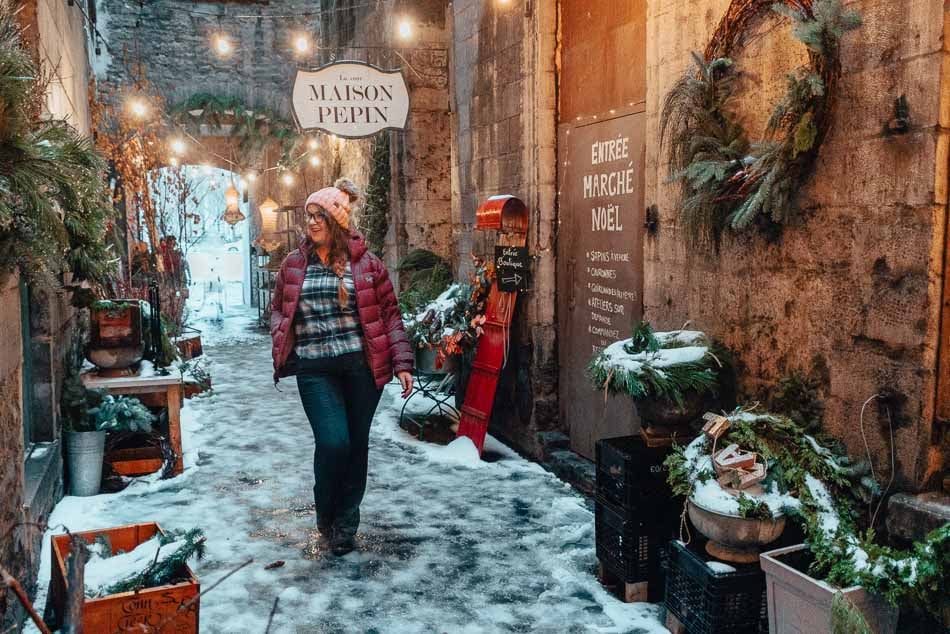
Winter-Ready Travel Gear and Luggage
Packing right means more than clothes. Your luggage and accessories should also handle snow, slush and cold conditions.
Suitcase and Day Bag
Choose a sturdy suitcase with large wheels that can roll over snow and ice. Hard-shell luggage is more water-resistant than soft fabric bags. For daily excursions, bring a waterproof or water-resistant daypack with enough space for a water bottle, camera, and extra layers.
Travel-Friendly Outer Gear
If space allows, include:
-
A packable down jacket for layering or milder days
-
Ice grips or shoe cleats to walk safely on icy sidewalks
-
Hand warmers and foot warmers for outdoor activities
-
Waterproof pants or lined snow trousers for outdoor adventures
These small items make a big difference when you’re sightseeing or walking through snowy streets.
Electronics and Travel Comfort
Cold weather drains batteries faster, so bring a portable charger or two. Canada uses plug types A and B with 120V outlets, so carry a travel adapter if your devices require one.
For long flights, include comfort items like a neck pillow, eye mask, and travel blanket. These are especially useful if you’re landing in Canada overnight when temperatures can drop drastically.
Airport and Long-Haul Travel Essentials
Traveling from a warm climate into a Canadian winter can be a shock if you’re not prepared. A little planning makes arrival much easier.
Dress for the Plane
Wear your bulkiest items on the flight—your winter jacket, boots, and scarf. It saves space in your luggage and keeps you warm when you step off the plane. If you’re flying for more than eight hours, choose breathable fabrics for comfort during the trip.
Carry-On Must-Haves
Keep essentials in your carry-on:
-
Passport, visa, travel insurance and emergency contact info
-
Warm sweater or hoodie for arrival
-
Moisturizer, lip balm, and small hand sanitizer
-
Refillable water bottle (empty it before airport security)
-
A compact foldable tote for shopping or day trips
Having these on hand avoids rummaging through luggage after landing in cold air.
Arrival and Adapting
When you land, expect to feel the cold immediately—Canadian airports often have heated interiors, but once you step outside, the chill hits. If you arrive in late afternoon, note that daylight fades quickly in winter. Plan indoor activities like dining or exploring local markets until morning light returns.
Smart Travel Tips and Real-World Context
Regional Differences
Canada’s climate varies greatly. Vancouver and Victoria stay milder, with temperatures hovering above freezing and more rain than snow. Meanwhile, cities like Calgary, Ottawa, and Quebec City often drop to -20°C or colder, with deep snow accumulation.
If you’re visiting mountain regions like Banff or Whistler, expect temperatures even lower—sometimes -30°C during cold spells. Pack accordingly. The best approach: layer clothing and plan for both indoor warmth and outdoor chill.
Indoor and Outdoor Balance
While you’ll want to experience Canada’s winter beauty, remember that much of your time will be indoors—restaurants, museums, shopping malls, or cozy cabins. Pack a few smart-casual outfits suitable for warm indoor settings, but keep your outerwear handy for when you head back out into the snow.
Smart Spending and Gear Choices
You don’t need to buy every high-end winter item before arriving. If you’re staying short-term, you can rent or buy affordable gear locally. Many Canadian thrift stores and outdoor shops offer high-quality used coats, boots, and snow gear. Focus on investing in essentials like waterproof boots and a proper jacket, which you’ll use throughout your trip.
Additional Tips for Comfort and Safety
-
Stay Hydrated: Cold air can be dehydrating, especially at higher altitudes. Carry a reusable water bottle.
-
Protect Electronics: Keep your phone or camera in an inside pocket to protect batteries from freezing.
-
Plan for Delays: Snowstorms can delay flights or bus schedules. Keep snacks and entertainment handy.
-
Use Layers Indoors: Canadian heating is strong; dress in removable layers to stay comfortable indoors.
-
Try Local Experiences: Go ice skating, visit winter markets, or join a snowshoe tour for authentic winter fun.
Following this winter travel checklist for Canada ensures you arrive prepared, comfortable, and ready to embrace the snowy magic that defines Canadian winters. From layering smart to choosing weatherproof gear, every detail counts in making your trip smooth and enjoyable.
Canada in winter isn’t just about enduring the cold, it’s about experiencing a wonderland of lights, culture, and cozy moments. With the right preparation, you’ll spend less time worrying about frostbite and more time sipping hot chocolate by the fire, exploring sparkling city streets, and enjoying a truly Canadian winter adventure.
Check before you go (updated October 2026)
- Weather warnings: check Environment and Climate Change Canada for extreme cold, snowfall and blizzard warnings at your destination.
- Road conditions: each province runs a 511 road-conditions service. Check it before any winter drive, especially through the Rockies.
- Winter tires: some routes, including many BC highways, require winter tires from October 1 to March 31 (some to April 30). Ask your rental company to confirm.
- Entry documents: make sure you have the right visa or eTA before you fly.
Official sources to check before you apply or travel
- Immigration, Refugees and Citizenship Canada (IRCC)
- GOV.UK foreign travel advice (entry requirements by country)
- U.S. State Department travel advisories
Visa rules, fees, processing times and entry requirements change often. Always confirm the current requirements on the official government website, or with the embassy or consulate, before you apply, pay or travel. One Visa Center is an independent information site, not a law firm or government agency, and this article is not legal advice. Read how we research, fact-check and use AI tools in our Editorial Policy.
Get visa, passport, and travel-planning guides like this one sent straight to your inbox — plus first access to new country guides and scholarship roundups.