Xinjiang Travel Guide 2026: Explore China’s Wild West and Beyond!
Xinjiang, often called China’s Wild West, is a region of immense scale and breathtaking diversity. It is a land where ancient Silk Road traditions meet dramatic natural beauty, offering an unparalleled travel experience. From snow-capped mountains and pristine alpine lakes to vast deserts and historic oases, Xinjiang promises an adventure unlike any other.
For those seeking a truly immersive journey into a different culture and landscape, Xinjiang travel in 2026 presents a unique opportunity. This region, home to numerous ethnic groups, most notably the Uyghurs, offers a rich tapestry of customs, languages, and cuisines. It is a destination that challenges perceptions and rewards visitors with unforgettable memories.
Preparing for a trip to Xinjiang involves understanding its unique characteristics and planning carefully. Our comprehensive guide provides you with expert insights, practical tips, and must-see destinations to ensure your Xinjiang adventure is both smooth and spectacular. Get ready to explore a region that truly stands apart.
Key Takeaways for Your Xinjiang Adventure
- Cultural Immersion: Xinjiang offers a deep dive into diverse ethnic cultures, especially the vibrant Uyghur traditions, music, and local markets.
- Stunning Landscapes: Prepare to be amazed by an incredible range of natural beauty, from the majestic Tian Shan mountains and serene Kanas Lake to the vast Taklamakan Desert and lush oases.
- Logistical Planning: Due to its size and specific regulations, careful planning for transportation, accommodation, and necessary permits is crucial for a smooth journey.
- Culinary Delights: The region’s food scene is a major highlight, featuring unique flavors, hearty dishes like hand-pulled noodles (Lagman), succulent kebabs (Kawap), and aromatic pilaf (Polu).
- Responsible Travel: Embrace an open mind, respect local customs, and engage with communities responsibly to ensure a meaningful and positive experience for everyone.
Why Xinjiang Should Be Your Next Adventure
Xinjiang’s allure lies in its striking contrasts and profound historical significance. It served as a vital crossroads on the ancient Silk Road, a conduit for goods, ideas, and cultures between East and West. This legacy is still palpable today, making Xinjiang a fascinating destination for history buffs and adventurers alike.
A Tapestry of Cultures
Xinjiang is home to 47 ethnic groups, with the Uyghurs, Kazakhs, Kyrgyz, Tajiks, and Mongols being among the most prominent. Each group contributes to the region’s vibrant cultural mosaic, visible in their unique architecture, traditional clothing, festivals, and daily life. Exploring Xinjiang means encountering a living history, where ancient traditions thrive alongside modern developments.
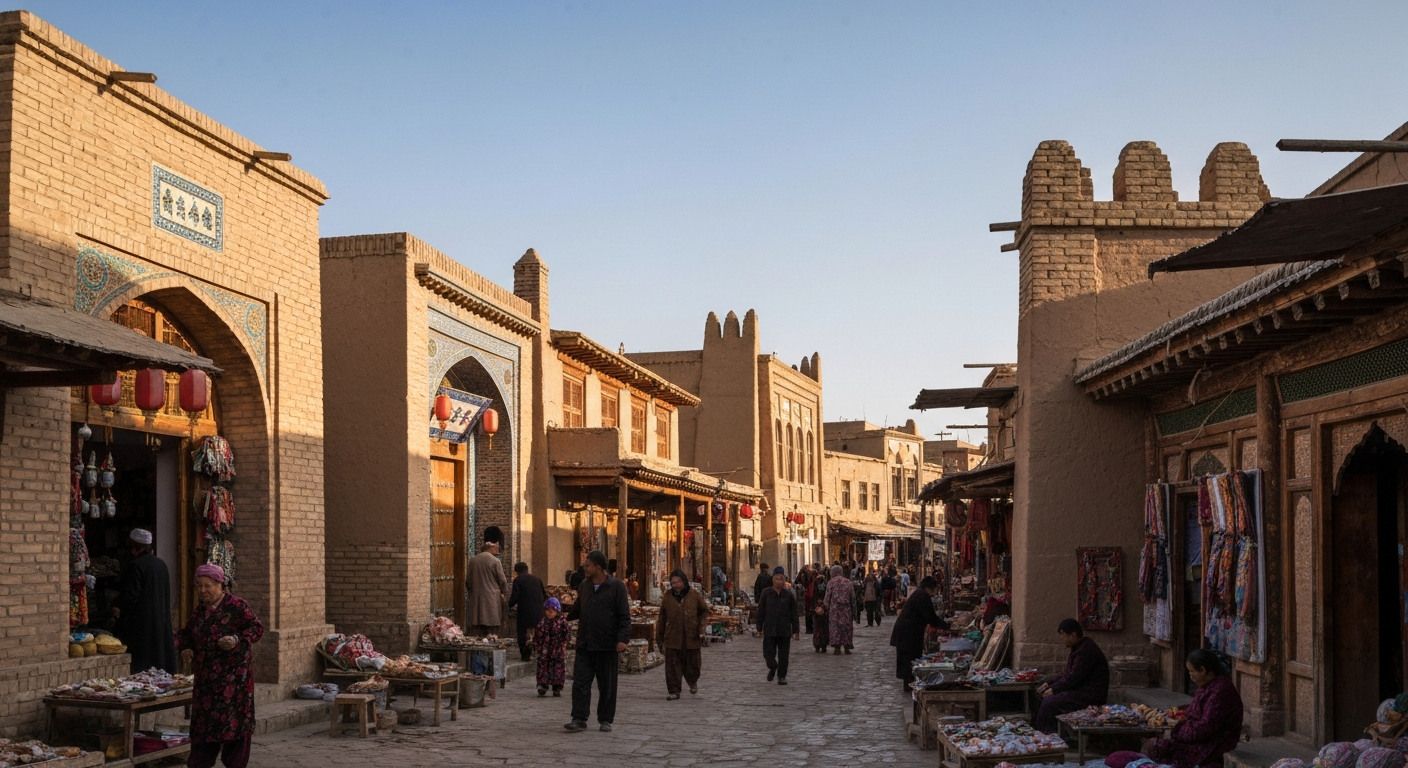
Walking through a bustling bazaar in Kashgar or listening to traditional music in a village offers a glimpse into a way of life that has persisted for centuries. This cultural richness is a primary reason why Xinjiang travel is so deeply rewarding and memorable.
Landscapes That Astonish
The sheer scale and diversity of Xinjiang’s natural landscapes are truly awe-inspiring. The region boasts some of the most dramatic scenery in China. Imagine towering peaks, vast grasslands, serene lakes, and expansive deserts—all within the same province.
From the alpine beauty of the Tian Shan mountains to the desert wonders of Turpan, Xinjiang offers an endless array of natural spectacles. Whether you are an avid hiker, a nature photographer, or simply someone who appreciates magnificent vistas, Xinjiang’s landscapes will leave you breathless.
Planning Your Xinjiang Travel: Essential Tips
Careful planning is key to a successful and enjoyable Xinjiang travel experience. Given the region’s size and specific administrative considerations, understanding the logistics beforehand will greatly enhance your trip.
Permits and Regulations
- Chinese Visa: Ensure you have a valid Chinese visa before entering the country. Standard tourist visas (L-visas) are generally sufficient for most visitors.
- Local Registration: Upon arrival, visitors are usually required to register with local authorities. If staying in a hotel, this is typically handled automatically. For other accommodations, inquire about local police station registration requirements.
- Restricted Areas: Some areas within Xinjiang may have specific travel restrictions or require additional permits. It is advisable to check with your tour operator or local authorities if you plan to visit remote or sensitive regions.
Best Time to Visit
Choosing the right time for your Xinjiang travel can significantly impact your experience, depending on what you want to see and do.
| Season | Months | Typical Weather | Best for |
| **Spring** | April – May | Mild, can be windy, melting snow | Blossom viewing (e.g., apricot blossoms), fewer crowds |
| **Summer** | June – August | Warm to hot, sunny, pleasant evenings | Lake visits (Kanas, Tianchi), mountain trekking, grasslands |
| **Autumn** | September – October | Pleasant, crisp, clear skies, vibrant foliage | Photography, desert tours, grape harvest, ideal weather |
| **Winter** | November – March | Cold, snowy, icy, often sunny | Winter sports, unique cultural festivals, fewer tourists |
Autumn is widely considered the best time for Xinjiang travel due to comfortable temperatures and stunning natural colors.
Transportation Within Xinjiang
Getting around Xinjiang requires careful consideration due to the vast distances. Options include:
- Flights: Internal flights connect major cities like Urumqi, Kashgar, and Yining, saving significant travel time.
- Trains: China’s extensive railway network serves Xinjiang, offering comfortable and scenic journeys between cities. High-speed rail is expanding.
- Buses: Long-distance buses are available and connect many towns, though journeys can be lengthy.
- Private Car/Driver: For flexibility and reaching remote areas, hiring a private car with a driver (often with a guide) is a popular and recommended option for Xinjiang travel. This allows for personalized itineraries.
Must-See Destinations in Xinjiang
Xinjiang is dotted with iconic locations that showcase its diverse appeal. Each destination offers a unique perspective on the region’s history, culture, and natural splendor.
Urumqi: The Gateway City
As the capital of Xinjiang, Urumqi serves as the primary entry point for most visitors. It is a modern city that also retains elements of its Silk Road heritage. Key attractions include the Xinjiang Uyghur Autonomous Region Museum, which houses fascinating artifacts, and the Erdaoqiao International Grand Bazaar, a vibrant market perfect for experiencing local life and finding unique souvenirs.
Kashgar: A Living Silk Road Legacy
Kashgar is arguably the jewel of Xinjiang, a city steeped in Silk Road history. Its old town, with labyrinthine alleys and traditional mud-brick homes, feels like a step back in time. The Sunday Livestock Market is a truly authentic experience, offering a glimpse into the region’s rural economy and traditional bartering. The Id Kah Mosque, one of China’s largest, stands as a testament to the city’s rich Islamic heritage. No Xinjiang travel itinerary is complete without a visit to Kashgar.
Heavenly Lake (Tianchi): Alpine Serenity
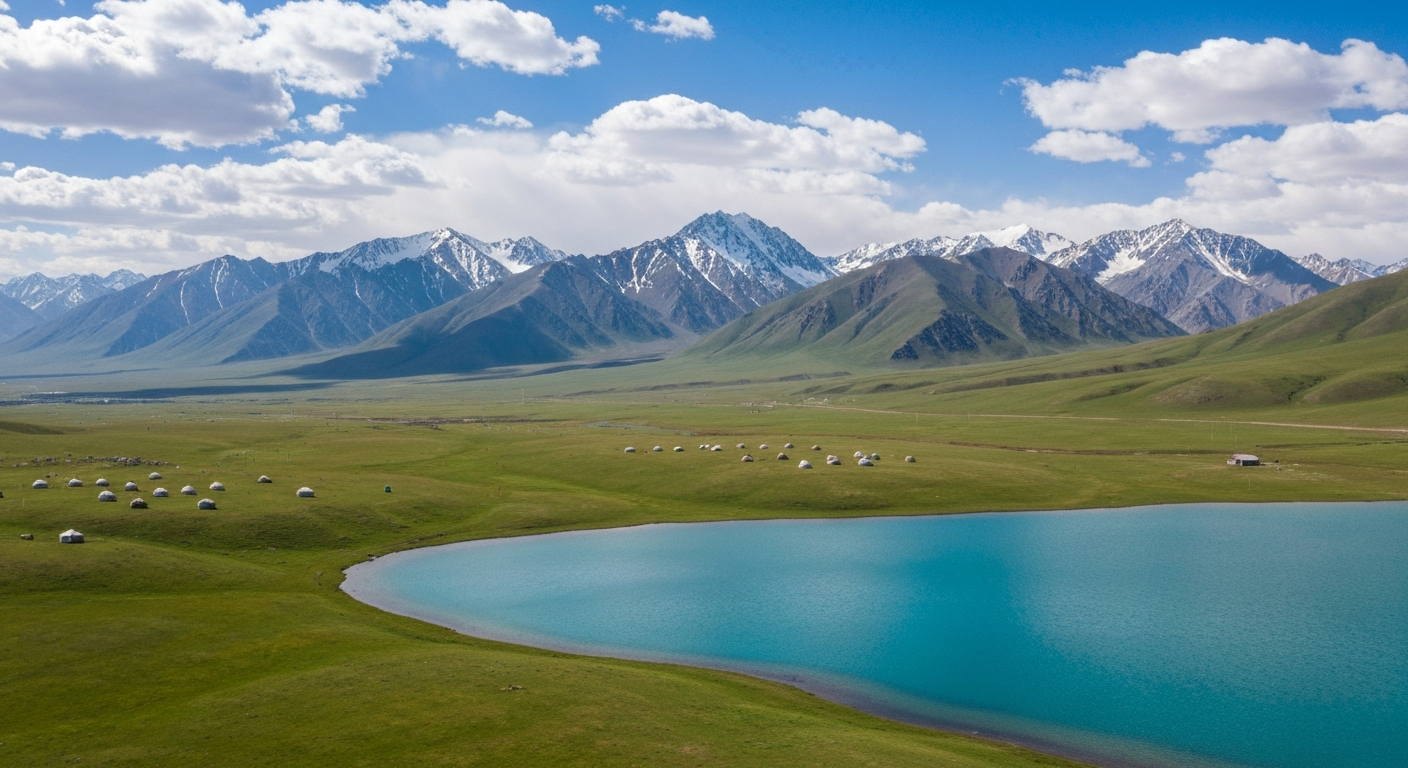
Nestled in the Tian Shan mountains, Heavenly Lake (Tianchi) is a stunning alpine lake surrounded by snow-capped peaks and lush forests. It is an ideal spot for hiking, boating, and enjoying the tranquility of nature. The clear turquoise waters reflecting the majestic Bogda Peak create a picturesque scene that is often featured in travel brochures. It is a refreshing escape from the city bustle.
Kanas Lake: Jewel of the Altai
Located in the northern Altai Mountains, Kanas Lake is renowned for its ever-changing colors and mystical beauty. Surrounded by dense forests and grasslands, it is a haven for nature lovers and photographers. The region around Kanas offers opportunities for trekking, horseback riding, and experiencing the culture of the local Tuvan and Kazakh communities. The vivid autumn foliage around Kanas is particularly spectacular.
Turpan: Desert Oases and Ancient Wonders
Turpan is a fascinating oasis city situated in the Turpan Depression, one of the lowest and hottest places on Earth. Despite its harsh environment, Turpan boasts a rich history and innovative ancient irrigation systems called Karez wells. Explore the ancient city of Jiaohe, a remarkably preserved ruined city, and the Bezeklik Thousand Buddha Caves, featuring ancient Buddhist murals. Don’t miss the Flaming Mountains, famous for their reddish hues, especially at sunset.
Experiencing Xinjiang’s Rich Culture and Cuisine
The cultural and culinary experiences are central to any Xinjiang travel adventure. The region’s unique blend of influences from Central Asia, the Middle East, and China creates a vibrant tapestry for visitors to explore.
The Flavors of Xinjiang
Xinjiang cuisine is a highlight, known for its bold flavors and hearty portions. It is a fusion of Uyghur, Han, and Central Asian culinary traditions, heavily featuring lamb, noodles, and spices. Some must-try dishes include:
- Lagman (手拉面): Hand-pulled noodles stir-fried with lamb or beef and various vegetables, a staple dish.
- Kawap (烤肉): Succulent lamb skewers, grilled over charcoal and seasoned with cumin and chili, a street food favorite.
- Polu (抓饭): A fragrant pilaf made with rice, carrots, onions, and tender lamb, often served with raisins.
- Samsa (烤包子): Baked lamb or beef dumplings, savory and satisfying.
- Dapanji (大盘鸡): “Big Plate Chicken,” a spicy and savory stew of chicken, potatoes, and peppers, often served over wide noodles.
Vibrant Traditions and Festivals
Xinjiang’s cultural calendar is rich with festivals that offer a deeper understanding of local customs. Eid al-Fitr and Eid al-Adha are significant celebrations for the Muslim communities, featuring special prayers, feasts, and family gatherings. The Naadam Festival, celebrated by Mongols, showcases traditional sports like wrestling, archery, and horse racing. Engaging with these traditions responsibly can enrich your Xinjiang travel experience.
“Xinjiang is more than just a place on the map; it’s a journey through time and culture. The warmth of its people, the grandeur of its landscapes, and the depth of its history create an unforgettable tapestry that stays with you long after you’ve left.”
This sentiment captures the essence of what makes Xinjiang such a compelling destination.
Navigating Xinjiang: Safety and Practical Advice
While Xinjiang is generally safe for tourists, being informed and prepared is always advisable. Understanding local norms and taking common-sense precautions will ensure a smooth journey.
Local Customs and Etiquette
Respecting local customs is crucial. When visiting mosques or traditional homes, dress modestly. Always ask for permission before taking photos of people, especially in more rural or culturally sensitive areas. Learning a few basic phrases in Mandarin Chinese or even Uyghur can also greatly enhance interactions with locals and show respect.
Connectivity and Communication
Mobile phone coverage is generally good in urban areas and along major travel routes. Purchasing a local SIM card upon arrival can be convenient for data and calls. Keep in mind that internet access may be filtered, and certain international apps or websites might be inaccessible without a VPN.
Health and Well-being
It is wise to carry basic medications and a first-aid kit. Drink bottled water to avoid stomach issues. Be mindful of the high altitude in certain mountainous regions and take time to acclimatize. During summer, protect yourself from the sun, and in winter, dress warmly. Always have travel insurance that covers medical emergencies.
Conclusion: Your Unforgettable Xinjiang Journey Awaits
Xinjiang is a destination that truly stands out, offering an extraordinary blend of natural beauty, rich history, and vibrant cultures. From the ancient Silk Road cities to the majestic Tian Shan mountains, every corner of this vast region holds a new discovery. Planning your Xinjiang travel adventure requires attention to detail, but the rewards are immense.
By embracing an open mind, respecting local traditions, and immersing yourself in the unique experiences, you will create memories that last a lifetime. Xinjiang is more than just a trip; it is an exploration of a captivating world, waiting to be discovered. We hope this guide inspires you to embark on your own unforgettable journey to China’s Wild West.
Frequently Asked Questions About Xinjiang Travel
1. Is Xinjiang safe for tourists?
Yes, Xinjiang is generally safe for tourists. Security measures are noticeable in urban areas, but visitors typically experience a safe and welcoming environment. It is always wise to stay informed, respect local regulations, and follow common travel safety practices.
2. What is the best way to get around Xinjiang?
For major city-to-city travel, flights and trains are efficient. For exploring specific regions or remote areas, hiring a private car with a driver (and often a guide) offers the most flexibility and convenience for Xinjiang travel. Buses also connect many towns, but journeys can be long.
3. Do I need special permits to travel to Xinjiang?
For most standard tourist destinations, a valid Chinese visa is sufficient. However, certain remote or sensitive areas may require additional permits. It is best to check with a reputable tour operator or local authorities if your itinerary includes such regions.
4. What local dishes are a must-try during my visit?
Xinjiang cuisine is a highlight! You absolutely must try Lagman (hand-pulled noodles), Kawap (lamb skewers), Polu (rice pilaf), and Dapanji (Big Plate Chicken). These dishes offer a true taste of the region’s unique culinary traditions.
5. How many days are enough for a Xinjiang trip?
The ideal duration for a Xinjiang trip depends on your interests and the areas you wish to explore. Given its vast size, a comprehensive trip typically requires at least 10-14 days to cover key destinations like Urumqi, Kashgar, and some natural wonders. Shorter trips of 5-7 days can focus on one or two regions.