Yosemite Travel Guide 2026: Plan Your Unforgettable Adventure
Yosemite National Park is more than just a destination; it is an experience that stays with you long after you leave. Imagine towering granite cliffs, ancient giant sequoias, and powerful waterfalls carving through pristine wilderness. This iconic American treasure draws millions each year, eager to witness its breathtaking beauty. If you are planning to travel Yosemite in 2026, you are in for an extraordinary journey. This comprehensive guide will equip you with all the knowledge to plan a seamless, unforgettable adventure. From navigating permits to discovering hidden gems, we will cover every detail. Get ready to explore one of the world’s most magnificent natural wonders.
Key Takeaways
- Plan Ahead for Permits: Secure vehicle reservations, especially during peak season, far in advance.
- Choose Your Season Wisely: Each season offers unique beauty and activities; research to match your travel goals.
- Book Accommodations Early: Lodging inside and outside the park fills up quickly, often months in advance.
- Prioritize Iconic Sights: Don’t miss Half Dome, El Capitan, Yosemite Falls, and Mariposa Grove.
- Pack Smart and Stay Safe: Be prepared for varying weather, bring essentials, and be aware of wildlife.
Why Travel Yosemite Now?
Yosemite National Park offers a timeless appeal, yet 2026 presents an ideal opportunity to experience its grandeur. The park continues to refine its visitor experience, balancing conservation with accessibility. This means clearer guidelines for entry and a focus on sustainable exploration, ensuring its natural wonders remain protected. Visiting now allows you to enjoy these improvements while immersing yourself in unparalleled natural beauty.
The Allure of Yosemite Valley
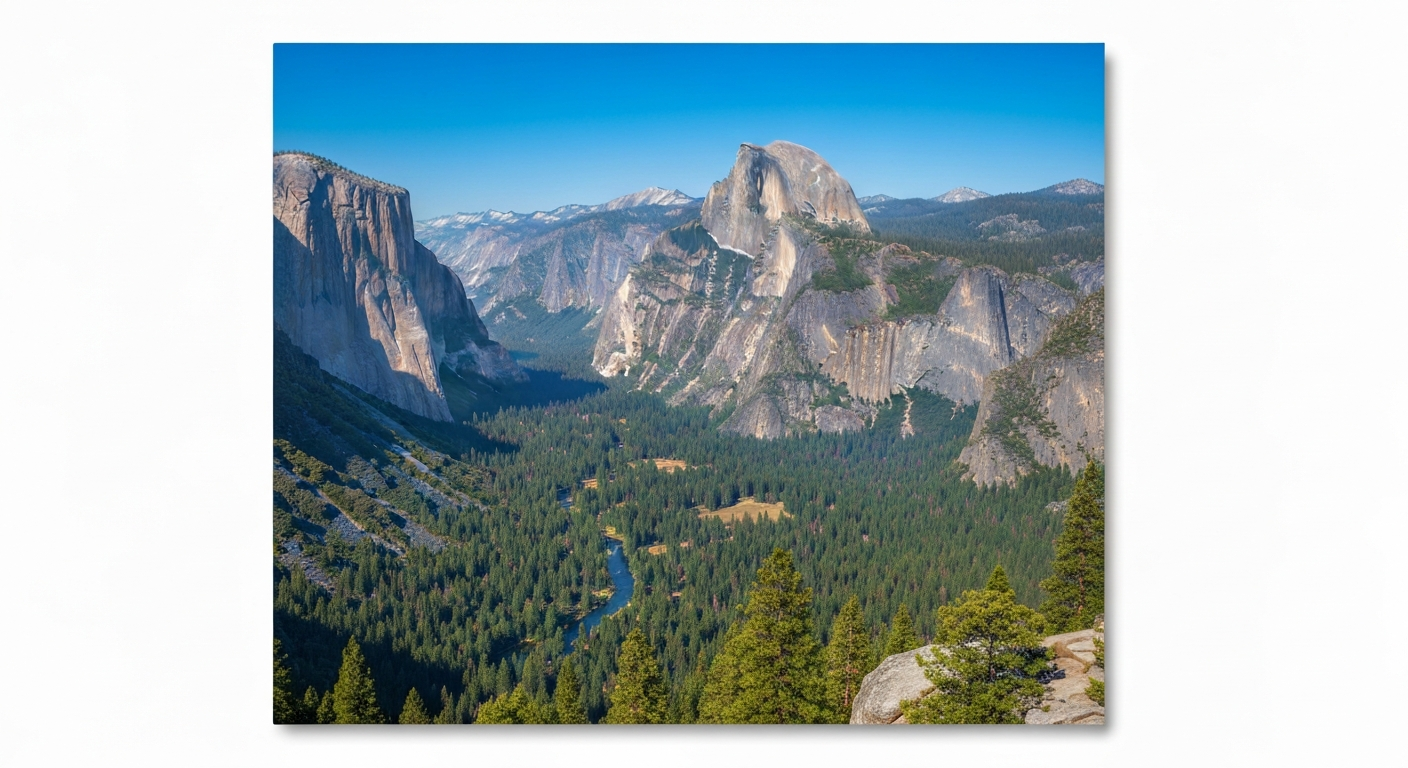
Yosemite Valley is the heart of the park, a glacial masterpiece that captivates every visitor. Here, you will find some of the most famous landmarks, including the colossal granite monoliths of El Capitan and Half Dome. The valley floor is also home to the roaring Yosemite Falls, Ribbon Fall, and Bridalveil Fall, which are particularly spectacular in spring. Exploring the valley is like stepping into a living postcard, with stunning vistas at every turn.
Beyond the Valley: Secluded Gems
While Yosemite Valley is a must-see, the park offers much more beyond its famous floor. High country areas like Tuolumne Meadows provide a different kind of beauty, with vast subalpine meadows and tranquil lakes. Wawona, in the southern part of the park, is home to the historic Wawona Hotel and provides access to the majestic Mariposa Grove of Giant Sequoias. Hetch Hetchy Valley offers serene beauty and excellent hiking for those seeking solitude. These less-traveled areas offer unique perspectives.
Essential Planning for Your Yosemite Adventure
A successful trip to Yosemite hinges on thorough planning. Due to its immense popularity, understanding the logistics well in advance is critical. From when you go to where you sleep, every detail plays a role in crafting your ideal experience.
When to Visit: Seasons and Crowds
Choosing the right time to visit Yosemite depends on what you want to experience. Each season paints the park in a dramatically different light.
| Season | Highlights | Considerations |
| **Spring** (April-May) | Peak waterfall flow, vibrant wildflowers, pleasant temperatures. | Some higher elevation roads/trails may still be closed. Can be crowded during spring break. |
| **Summer** (June-August) | All areas accessible, warm weather, best for high-country hiking. | Very crowded, requires early booking for everything. Haze from wildfires can be an issue. |
| **Fall** (September-October) | Crisp air, stunning fall foliage in the valley, fewer crowds than summer. | Waterfalls might be less powerful. Some services start to close for the season. |
| **Winter** (November-March) | Snow-covered landscapes, cross-country skiing, ice skating, tranquil beauty. | Many roads and facilities closed. Requires proper winter gear and experience. |
Getting There: Transportation Options
Yosemite National Park is accessible by car, offering the most flexibility. Be aware of potential road closures, especially in winter. Amtrak offers train service to Merced, with connecting YARTS buses directly into the park, a great option to avoid parking hassles. Once inside Yosemite Valley, free shuttle buses operate year-round, making it easy to get around without moving your car.
Accommodation: Where to Stay
Booking your lodging well in advance is paramount, especially for peak season.
- Inside the Park: Options like The Ahwahnee, Yosemite Valley Lodge, and Wawona Hotel offer comfort. Curry Village and Housekeeping Camp provide more rustic, affordable cabins. Campgrounds are available but reservations are extremely competitive.
- Outside the Park: Gateway towns like El Portal, Mariposa, Groveland, and Oakhurst offer hotels and rentals. These typically require a drive into the park each day.
Permits and Reservations: A Must-Know
Yosemite uses reservation systems to manage visitor numbers and protect the park.
- Peak-Hour Vehicle Reservations: During certain periods (e.g., peak summer), a vehicle reservation may be required to enter, in addition to the park entrance fee. Check the official NPS website for current requirements for 2026.
- Wilderness Permits: Overnight backpacking requires a wilderness permit. These are often quota-based and should be reserved months ahead.
- Half Dome Permits: Hiking Half Dome needs a highly competitive lottery permit. Apply well before your trip if this is on your itinerary.
Iconic Sights and Must-Do Activities
Yosemite is brimming with natural wonders and activities for every interest and fitness level. Make sure your itinerary includes these unforgettable experiences.
Waterfalls, Giants, and Grand Views
No trip to Yosemite is complete without witnessing its most famous natural spectacles.
- Yosemite Falls: The tallest waterfall in North America, spectacular in spring.
- Half Dome: An iconic granite monolith, a challenging but rewarding hike (permit required).
- El Capitan: World-famous granite wall, visible from many valley points.
- Tunnel View: One of the most famous viewpoints, offering a panoramic vista of El Capitan, Bridalveil Fall, and Half Dome.
- Glacier Point: Breathtaking views of Yosemite Valley and the High Sierra (road closed in winter).
- Mariposa Grove of Giant Sequoias: Walk among these ancient, colossal trees, a truly humbling experience.
Hiking Trails for Every Level
Yosemite offers a diverse network of trails, from easy strolls to strenuous climbs.
- Easy: Lower Yosemite Fall Trail, Cook’s Meadow Loop, Bridalveil Fall Trail. Suitable for all ages and abilities.
- Moderate: Mirror Lake Trail, Mist Trail (to Vernal Fall), Valley Loop Trail. Offer more challenge and stunning rewards.
- Strenuous: Upper Yosemite Fall Trail, Four Mile Trail, Panorama Trail. Require good physical condition and planning.
Unique Experiences: Stargazing and Photography
Yosemite’s dark skies make it exceptional for stargazing. On clear nights, the Milky Way shines brightly above the granite peaks. Many visitors capture the park’s beauty through photography. Sunrise and sunset offer magical lighting, especially at Tunnel View or Glacier Point. Consider joining a ranger program for guided stargazing or photography tips.
Packing Smart for Yosemite
Being well-prepared for Yosemite’s varied conditions will significantly enhance your experience. Weather can change quickly, even within a single day.
Gear Essentials
Pack layers, as temperatures can fluctuate dramatically between day and night, and between elevations.
- Footwear: Sturdy hiking boots or shoes.
- Clothing: Moisture-wicking layers, waterproof jacket, warm layers.
- Sun Protection: Hat, sunglasses, high-SPF sunscreen.
- Hydration: Reusable water bottles.
- Food: Snacks and picnic supplies.
- Navigation: Map, compass, or GPS device.
- Safety: First-aid kit, headlamp, whistle, bear canister (if backpacking).
Safety First: Wildlife and Trail Etiquette
Yosemite is home to abundant wildlife, including black bears, deer, and coyotes.
- Bear Safety: Never approach bears. Store food in bear-proof lockers. Do not leave food in your car.
- Trail Etiquette: Stay on marked trails, pack out everything, respect other hikers.
- Water Safety: Be cautious around rivers and waterfalls; currents can be strong.
Making the Most of Your Visit
To truly immerse yourself in the Yosemite experience, take advantage of the park’s resources and embrace sustainable practices.
Ranger Programs and Visitor Centers
The park’s visitor centers are invaluable resources. Here, you can get up-to-date information on trail conditions, road closures, and ranger-led programs. Ranger talks, guided walks, and evening campfire programs offer deeper insights into Yosemite’s natural and cultural history. These programs are often free and highly engaging for all ages.
Sustainable Travel Practices
Protecting Yosemite’s natural beauty is everyone’s responsibility.
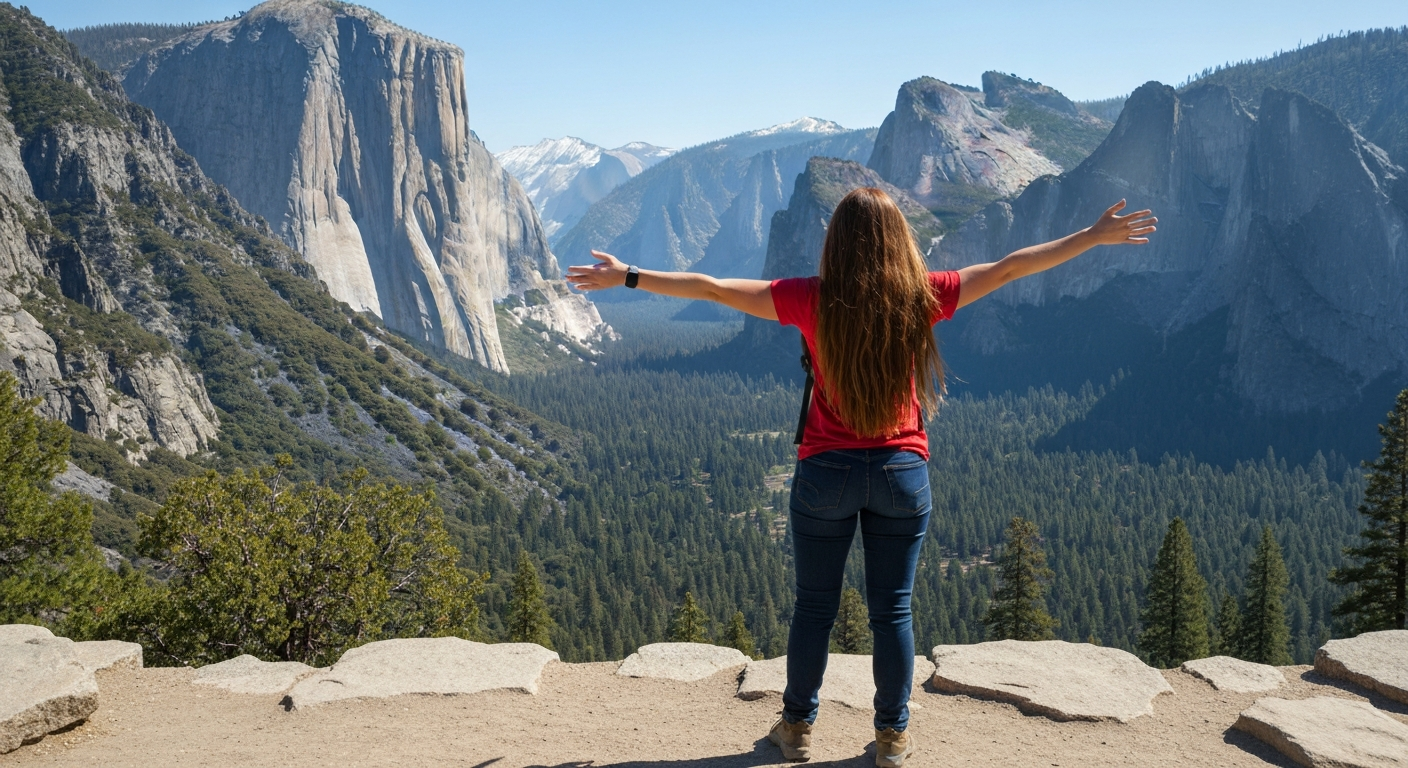
“Leave No Trace principles are not just guidelines; they are a philosophy for preserving our wild places. Every visitor has the power to make a positive impact by packing out all trash, staying on trails, and respecting wildlife.”
— *Yosemite National Park Ranger*
- Pack It In, Pack It Out: Carry out all trash.
- Stay on Trails: Protects ecosystems and prevents erosion.
- Respect Wildlife: Observe from a distance, never feed.
- Use Shuttle Buses: Reduce carbon footprint and congestion.
- Conserve Water and Energy: Be mindful of resource consumption.
Conclusion
Yosemite National Park stands as a testament to nature’s unparalleled artistry. Planning your travel to Yosemite in 2026 promises an adventure filled with awe-inspiring moments. By preparing thoroughly, understanding park regulations, and embracing sustainable travel, you contribute to its preservation. Whether you seek thrilling hikes, serene meadows, or iconic vistas, Yosemite offers an experience unlike any other. Start planning your journey today and prepare to be transformed by this national treasure.
FAQ
Q1: Do I need a reservation to enter Yosemite National Park in 2026?
A1: Yes, depending on the time of year. Yosemite often implements a peak-hour vehicle reservation system during busy seasons (e.g., summer, certain holidays). Always check the official Yosemite National Park Service (NPS) website for the most current entry requirements and reservation windows before your visit.
Q2: What is the best time of year to see the waterfalls at their fullest?
A2: The best time to witness Yosemite’s waterfalls at their most powerful is typically in late spring, particularly May and early June. This is when the snowmelt from the high country is at its peak, feeding the park’s famous cascades like Yosemite Falls and Bridalveil Fall.
Q3: Can I bring my dog to Yosemite National Park?
A3: Dogs are allowed in Yosemite National Park but with significant restrictions. They must be on a leash (no longer than 6 feet) and are permitted on paved roads, in developed areas, and on some designated paved trails (like the Valley Loop Trail). Pets are generally not allowed on unpaved trails, in wilderness areas, or on shuttle buses.
Q4: How many days should I plan for a trip to Yosemite?
A4: To experience the main highlights of Yosemite Valley and perhaps one other area like Mariposa Grove or Glacier Point, a minimum of 3-4 days is recommended. This allows for exploration without feeling rushed and provides flexibility for varying weather or trail conditions. For a more in-depth experience, including high-country areas, consider 5-7 days or more.
Q5: Is Yosemite National Park accessible for visitors with disabilities?
A5: Yes, Yosemite National Park strives to be accessible. Many key viewpoints, visitor centers, and some trails (like parts of the Valley Loop Trail and Lower Yosemite Fall Trail) are wheelchair-accessible. Accessible lodging options are also available. It’s advisable to check the NPS website or contact the park directly for specific accessibility information and services before your visit.