Unroll Your Practice: Discover the Best Travel Yoga Mat for On-the-Go Wellness
Traveling often means stepping out of your routine, but it doesn’t have to mean leaving your yoga practice behind. For many, yoga is a source of calm, strength, and balance. Keeping up with it while exploring new places can enrich your journey in amazing ways.
This is where the travel yoga mat becomes your best friend. Unlike a heavy, bulky home mat, a travel mat is designed for life on the move. It’s lighter, often thinner, and can fold or roll up compactly, fitting easily into your luggage.
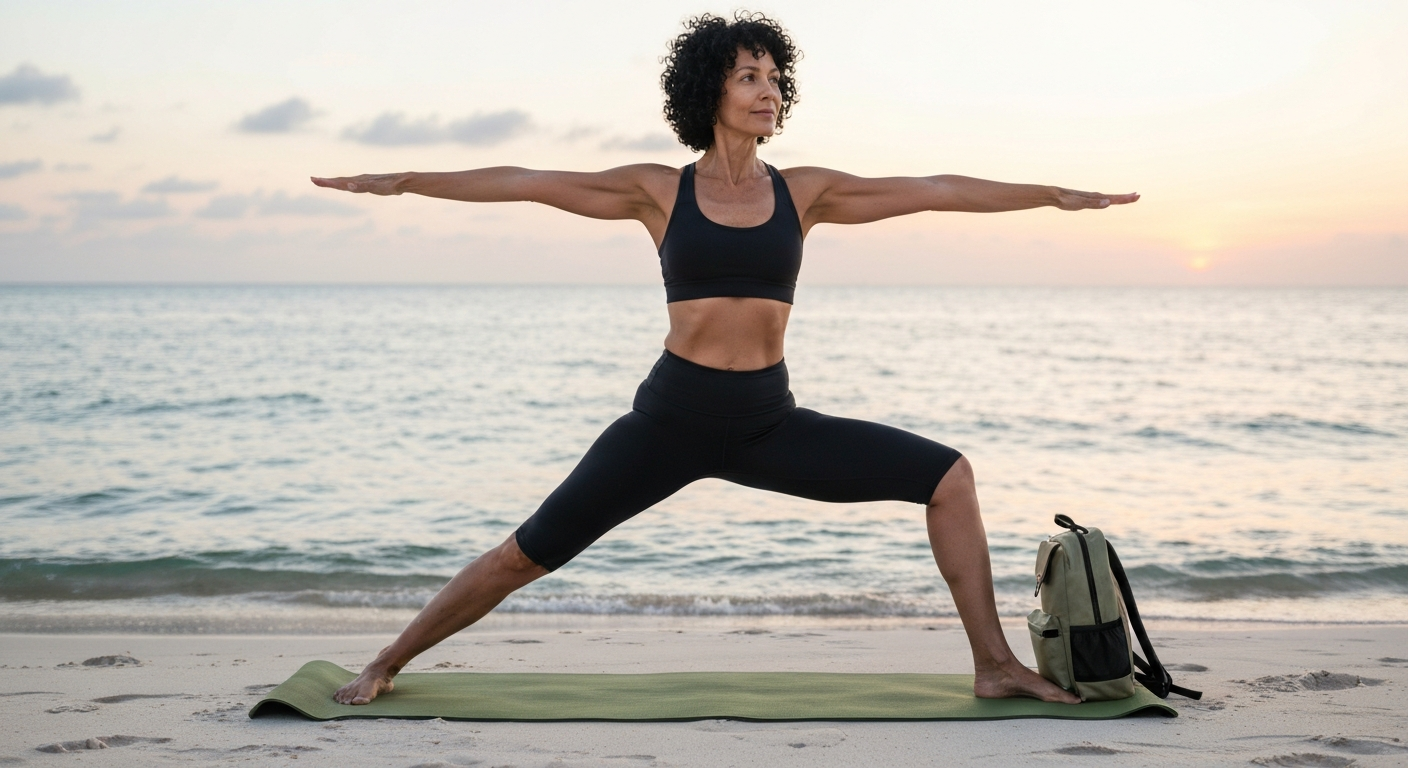
Imagine finding a peaceful spot on a beach, a quiet corner in your hotel room, or a serene park. With your travel yoga mat, you can unroll your practice and find your center, no matter where you are. It’s about bringing a piece of your home studio with you, ensuring consistency and comfort.
Choosing the right travel yoga mat can feel tricky with so many options available. But don’t worry, we’re here to guide you. We’ll explore what makes a great travel mat, the different types, and how to pick the perfect one for your adventures. Get ready to keep your mind and body connected, mile after mile.
Key Takeaways: Your Expert Guide to Travel Yoga Mats
- Portability is Paramount: The best travel mats are lightweight and compact, easily fitting into backpacks or carry-on luggage without adding bulk.
- Grip Matters Most: Look for materials that offer excellent traction, even when damp, to ensure safety and stability in various environments.
- Thickness vs. Cushioning: Travel mats are thinner than standard mats, offering less cushion but greater portability. Consider your practice style and joint sensitivity.
- Durability for Destinations: Choose a mat made from high-quality, resilient materials that can withstand frequent folding, rolling, and diverse travel conditions.
- Eco-Friendly Choices: Many travel mats are now made from sustainable materials like natural rubber or TPE, aligning with a mindful lifestyle and reducing environmental impact.
Why a Travel Yoga Mat is Your Perfect Companion
Maintaining a yoga practice while traveling offers incredible benefits. It helps reduce travel stress, keeps your body flexible after long flights, and allows you to explore new places with a clear mind. A dedicated travel mat makes all this possible.
Keep Your Routine Alive
Consistency is key in yoga. A travel mat ensures you don’t miss a beat, even when away from your regular studio. It provides a familiar surface, making it easier to settle into your poses and maintain your flow.
Hygiene on the Go
Using public mats at hotels or studios can sometimes be a concern. Your own travel mat offers a clean, personal space for your practice. This gives you peace of mind and a more enjoyable experience.
Explore New Spaces
Imagine practicing yoga with a mountain view, by the sea, or in a historic courtyard. A travel mat opens up a world of possibilities for unique and inspiring practice locations. It turns any space into your personal studio.
What Makes a Great Travel Yoga Mat? Essential Features
When choosing a travel yoga mat, certain features stand out. These elements ensure your mat is not only portable but also functional and comfortable for your practice.
Weight and Thickness: The Portability Balance
Travel mats are typically much lighter than standard yoga mats, often weighing 1-3 pounds. Their thickness usually ranges from 1mm to 3mm. This thinness is crucial for easy packing.
While thinner mats offer less cushioning, they are designed for portability. If you need more joint support, consider a slightly thicker travel mat or practice on a soft surface like carpet or grass.
Grip and Material: Staying Grounded Anywhere
Good grip is non-negotiable, especially when practicing in unfamiliar environments. Materials like natural rubber are known for their excellent non-slip properties, even with light sweat.
Other popular materials include TPE (Thermoplastic Elastomer) and eco-PVC. Each offers a different feel and level of grip. Always test the mat’s grip if possible, or read reviews carefully.
Durability: Built for the Journey
Your travel mat will face more wear and tear than a home mat. It will be folded, rolled, packed, and unpacked many times. Look for materials that are robust and resistant to tearing or stretching.
High-quality travel mats are designed to endure the rigors of travel. This ensures your mat lasts for many trips to come, providing a reliable surface for your yoga practice wherever you go.
Eco-Consciousness: Good for You, Good for the Planet
Many yogis prioritize sustainability. Thankfully, there are many eco-friendly travel mats available. These are made from renewable, recycled, or biodegradable materials.
Options like natural rubber, jute, or TPE are common. Choosing an eco-friendly mat supports both your practice and the health of the planet. Look for certifications or clear material descriptions.
Foldable vs. Rollable: Which Style Suits You?
Travel yoga mats come in two main forms: those that fold and those that roll. Each style has its own advantages, depending on how you prefer to pack and carry your gear.
Foldable Mats: The Compact Champion
Foldable mats are designed to fold down into a compact square or rectangle, much like a piece of clothing. They can easily slip into a backpack, suitcase, or even a large tote bag.
This makes them ideal for travelers who want to save space and avoid carrying an extra rolled item. While convenient for packing, some users might notice crease lines in the mat, which usually flatten out with use.
Rollable Mats: Traditional Comfort, Travel-Friendly
Rollable travel mats are similar to standard mats but are much thinner and lighter. They roll up tightly, often secured with a strap, and can be carried separately or strapped to luggage.
These mats offer a more traditional yoga mat feel without the creases. They are great for those who prefer the familiar roll-up method but still need a lightweight option for travel. They may take up slightly more space than a folded mat.
Popular Travel Yoga Mat Materials Compared
The material of your travel mat greatly affects its grip, weight, and durability. Understanding the pros and cons of each common type can help you make an informed decision.
| Material | Grip (Wet/Dry) | Weight | Durability | Eco-Friendliness |
| **Natural Rubber** | Excellent | Medium-High | High | High (Biodegradable) |
| **TPE** | Good | Low | Medium | Medium (Recyclable) |
| **PVC** | Good | Medium | High | Low (Non-biodegradable) |
| **Jute** | Good | Medium | Medium-High | High (Natural fiber) |
| **PU (Polyurethane) top layer** | Excellent | Medium-High | Medium-High | Medium |
- Natural Rubber: Offers superior grip and is often biodegradable. Can be heavier and might have a distinct initial smell. Some people are allergic to latex.
- TPE: A synthetic rubber that is lightweight, recyclable, and often free of latex, PVC, and heavy metals. Good grip but not as strong as natural rubber wet grip.
- PVC: Durable and offers good grip, but it’s not biodegradable and its production can be environmentally damaging. Often the most affordable option.
- Jute: A natural fiber that provides a textured surface for good grip. It’s breathable and eco-friendly, but can be less soft than other materials.
- PU Top Layer: Often layered over natural rubber, PU provides an incredibly grippy, smooth surface. It’s excellent for hot yoga but can show sweat marks.
Caring for Your Travel Yoga Mat: Simple Steps for Longevity
Proper care is essential to keep your travel yoga mat clean, hygienic, and long-lasting. Simple routines can make a big difference in its performance and lifespan.
Regular Cleaning Routine
After each practice, especially when traveling, wipe down your mat. Use a damp cloth with a mild soap solution or a specialized yoga mat cleaner. This removes sweat, dirt, and oils.
Avoid harsh chemicals or abrasive scrubbers, as these can damage the mat’s surface. Let your mat air dry completely before folding or rolling it away to prevent mildew and odors.
Proper Storage Tips
When not in use, store your travel mat in a cool, dry place away from direct sunlight. Sunlight can degrade some mat materials over time, making them brittle or discolored.
If your mat is foldable, ensure it’s folded neatly to prevent permanent creases. If it’s rollable, roll it tightly and secure it. Proper storage protects the mat’s integrity and keeps it ready for your next adventure.
Making Your Choice: Find Your Ideal Travel Companion
Choosing the perfect travel yoga mat comes down to understanding your personal needs and travel style. Consider these points to make the best decision for your journey.
Consider Your Travel Style
Are you a backpacker who needs every inch of space? A foldable mat might be best. Do you mostly take road trips and have more luggage room? A slightly thicker rollable mat could offer more comfort.
Think about how you’ll be transporting your mat and how often you’ll be using it. Your travel habits play a big role in determining the most practical option.
Think About Your Yoga Practice
What type of yoga do you practice? If you do hot yoga, a mat with exceptional wet grip is crucial. If your practice is more restorative, a mat that offers a little more cushioning might be preferred, even if it adds a bit of weight.
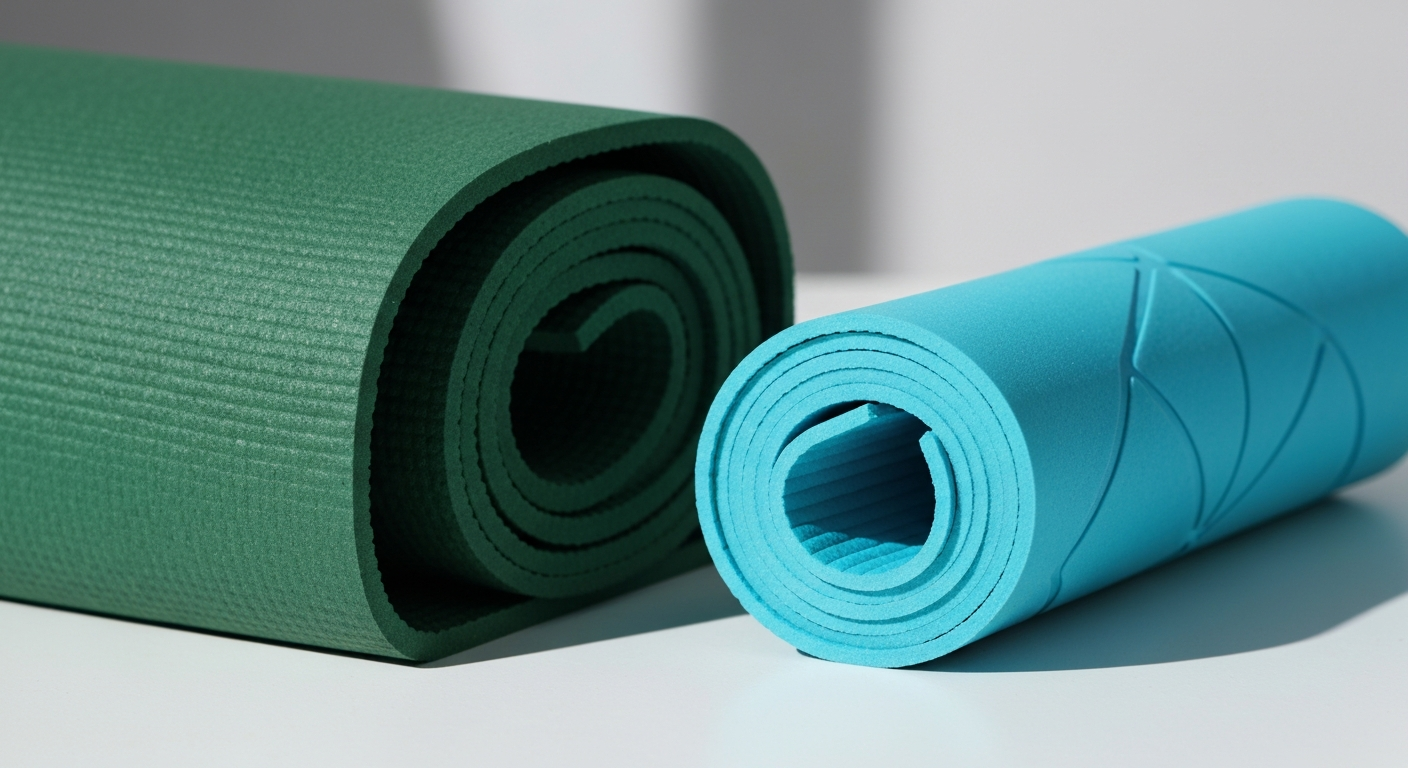
Your personal preferences for texture, feel, and joint support should also guide your choice. The best mat is one that supports your practice and makes you feel comfortable and secure.
Conclusion: Your Journey, Your Practice
Embracing a travel yoga mat means embracing the freedom to practice yoga wherever life takes you. It’s an investment in your well-being, allowing you to maintain consistency, hygiene, and connection to your body and mind, no matter your destination.
With the right travel mat, every trip becomes an opportunity for growth and grounding. From lightweight portability to superior grip and eco-friendly options, there’s a perfect travel mat waiting to join your adventures. Unroll your practice, explore the world, and find your peace on the go.
Frequently Asked Questions About Travel Yoga Mats
Q1: Are travel yoga mats really worth it?
A1: Absolutely. Travel yoga mats are specifically designed for portability, allowing you to maintain your practice anywhere. They are lighter and more compact than standard mats, making them easy to pack and carry, which is invaluable for consistent wellness on the road.
Q2: How thick should a travel yoga mat be?
A2: Most travel yoga mats range from 1mm to 3mm in thickness. Thinner mats (1-1.5mm) are the most portable and best for tight packing, while slightly thicker mats (2-3mm) offer a bit more cushioning for comfort, especially if you have sensitive joints.
Q3: Can I use a travel mat for daily practice at home?
A3: While a travel mat can be used at home, it’s generally not recommended for daily primary use. Their thinness means less cushioning and durability compared to standard mats. They are best reserved for travel or as a hygienic layer over a studio mat.
Q4: How do I clean my travel yoga mat?
A4: To clean your travel mat, simply wipe it down with a damp cloth and a mild soap solution or a specialized yoga mat cleaner after each use. Let it air dry completely before folding or rolling to prevent mildew and maintain its condition.
Q5: Do travel yoga mats offer good grip?
A5: Yes, many high-quality travel yoga mats are designed with excellent grip. Materials like natural rubber and PU-coated surfaces are known for their non-slip properties, even in humid conditions, ensuring stability during your practice.