Your Ultimate Japan Travel Guide: Explore Ancient Traditions & Modern Wonders
Japan, a land where ancient traditions gracefully coexist with futuristic innovation, beckons travelers from across the globe. From the serene temples of Kyoto to the neon-lit streets of Tokyo, this island nation offers an unparalleled travel experience. Planning a trip to Japan can seem daunting at first, but with the right travel guide to Japan, you can navigate its wonders with ease and confidence.
This comprehensive guide will equip you with all the essential information you need to plan an unforgettable journey. We will cover everything from visa requirements and budgeting to cultural etiquette and must-see attractions. Whether you are a first-time visitor or returning for another adventure, prepare to be captivated by Japan’s unique charm and hospitality.
Key Takeaways for Your Japan Adventure
- Smart Planning is Key: Book flights and accommodations well in advance, especially during peak seasons like cherry blossom (spring) and autumn foliage.
- Japan Rail Pass: Evaluate if a Japan Rail Pass suits your itinerary to save on long-distance train travel. It is often a cost-effective choice for extensive exploration.
- Embrace Local Etiquette: Learn basic Japanese phrases and understand local customs like bowing and removing shoes to show respect and enhance your experience.
- Cash is Still King: While cards are accepted in many places, carrying cash is essential for smaller shops, rural areas, and vending machines.
- Diverse Experiences: Japan offers everything from bustling city life to tranquil natural landscapes. Plan a varied itinerary to truly appreciate its contrasts.
Planning Your Dream Trip to Japan
Embarking on a journey to Japan requires careful preparation. Understanding the best time to visit, visa requirements, and how to get there are crucial first steps in your travel guide to Japan.
Best Time to Visit
Japan experiences four distinct seasons, each offering a unique charm:
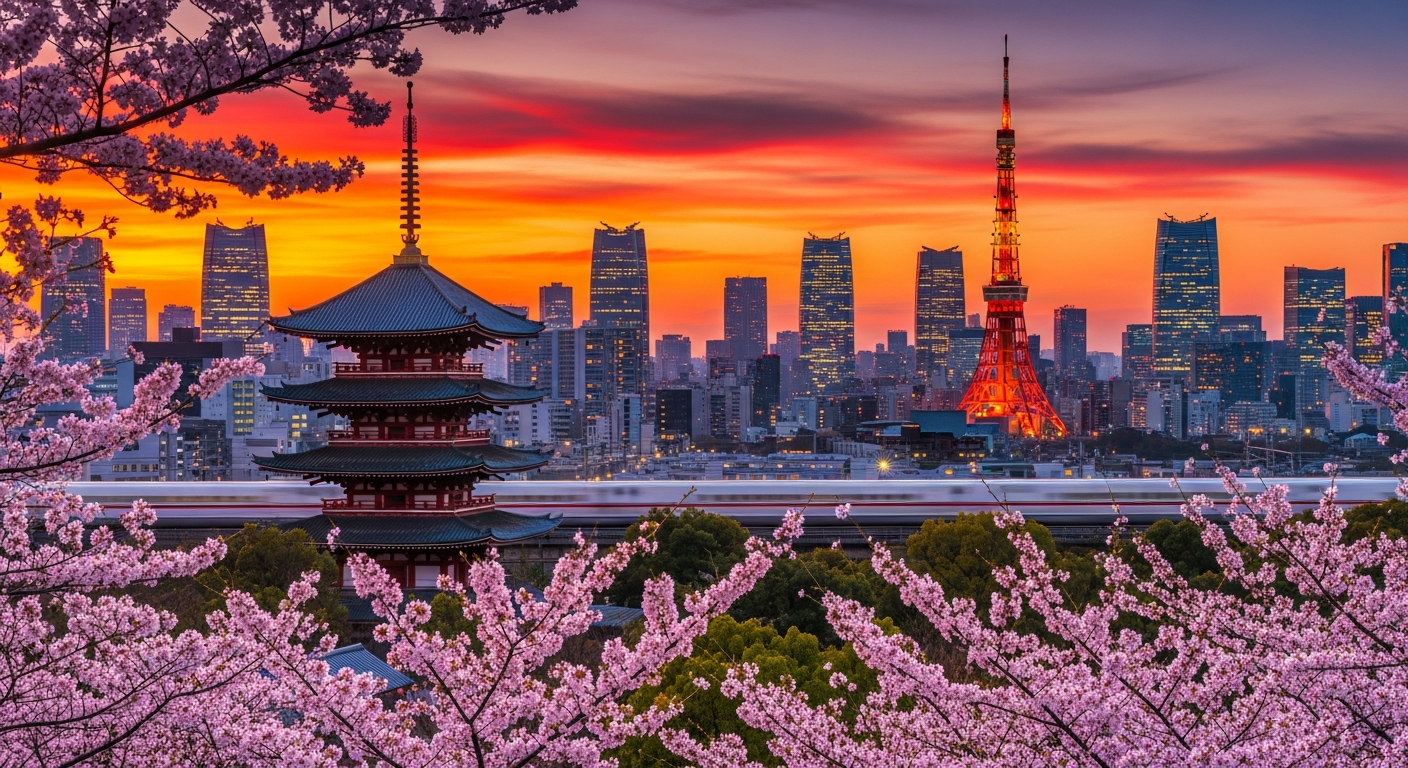
Spring (March to May): Famous for cherry blossoms (sakura*). The weather is mild and pleasant. This is a very popular time, so expect crowds and higher prices.
Summer (June to August): Hot and humid, especially in July and August. Ideal for hiking, beach trips, and enjoying summer festivals (matsuri*). Monsoon season occurs in June.
Autumn (September to November): Vibrant autumn foliage (koyo*) paints the landscapes in stunning reds and golds. The weather is cool and comfortable, making it another popular season.
Winter (December to February): Cold, with snowfall in many regions, especially Hokkaido and the Japan Alps. Perfect for winter sports enthusiasts and enjoying cozy hot springs (onsen*).
Visa and Entry Requirements
Most visitors from countries like the United States, Canada, Australia, the UK, and EU nations can enter Japan for up to 90 days without a visa for tourism purposes. Always check the latest requirements with the Japanese embassy or consulate in your country before traveling, as rules can change.
Getting to Japan
Japan has several international airports, with Narita (NRT) and Haneda (HND) in Tokyo, and Kansai (KIX) near Osaka, being the main gateways. Direct flights are available from major cities worldwide. Booking in advance can secure better fares.
Navigating Japan: Transportation Tips
Getting around Japan is incredibly efficient thanks to its world-class public transportation system. Understanding your options is a key part of any travel guide to Japan.
Japan Rail Pass: Is It Worth It?
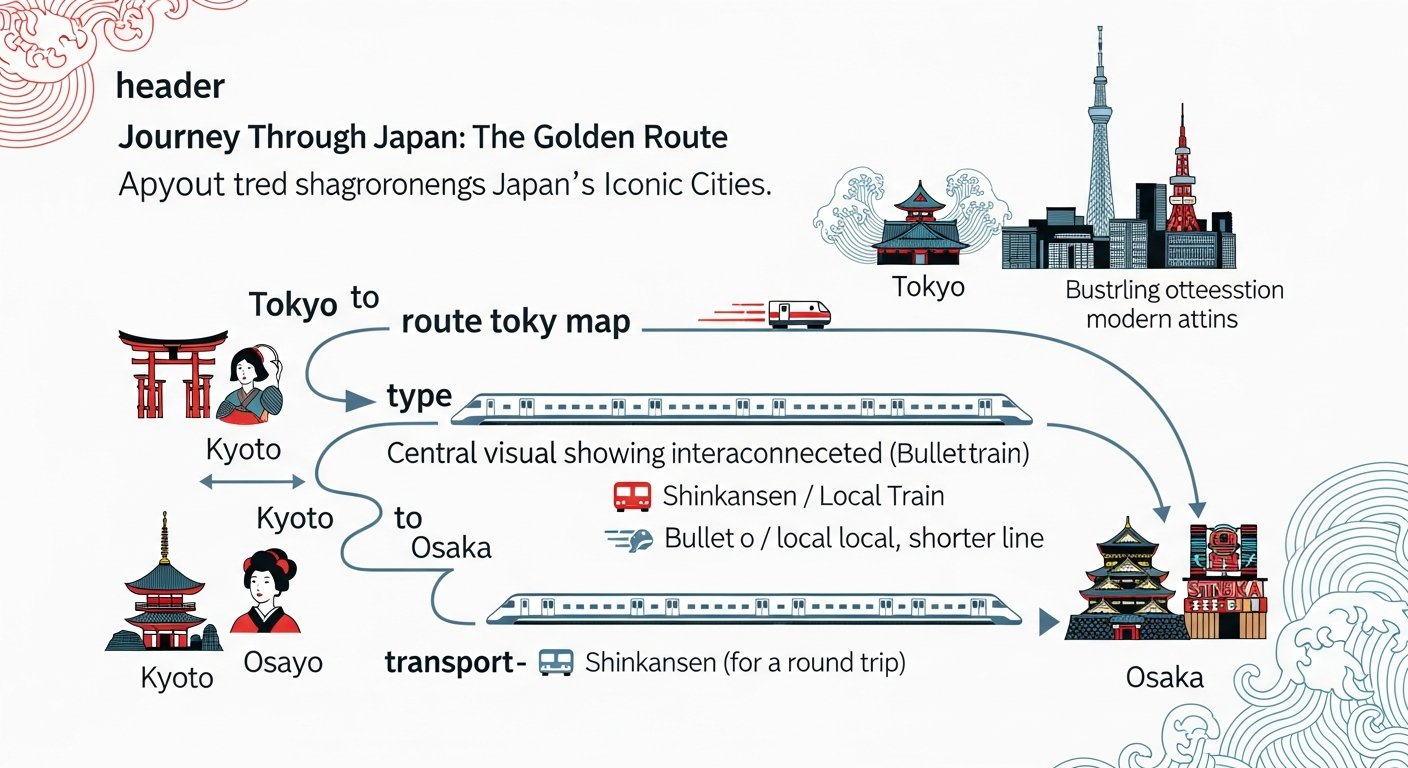
The Japan Rail Pass is a special ticket for foreign tourists offering unlimited travel on JR trains, including most Shinkansen (bullet trains), for a set period (7, 14, or 21 days).
Consider these points when deciding:
| Feature | Japan Rail Pass (JRP) | Individual Tickets |
| **Cost** | Fixed price, can be expensive upfront | Varies per journey, pay-as-you-go |
| **Convenience** | Unlimited travel, easy to use, saves time buying tickets | Flexibility to choose specific routes/trains |
| **Coverage** | JR lines only (Shinkansen, local JR trains) | All train lines (JR, private, subway) |
| **Best For** | Extensive long-distance travel, multiple cities | Shorter trips, focused on one region, infrequent travel |
| **Booking** | Must be purchased *before* arriving in Japan | Can be bought at stations or online |
If your itinerary includes multiple cities like Tokyo, Kyoto, Osaka, and Hiroshima, a JRP can offer significant savings. For shorter trips or if you plan to stay in one region, individual tickets might be more economical.
Local Transportation
- Subways and Local Trains: Cities like Tokyo and Osaka have extensive subway and train networks. Purchase an IC card (Suica, Pasmo, Icoca) for seamless travel; just tap and go.
- Buses: Useful for reaching areas not covered by trains, especially in smaller towns or for specific tourist routes.
- Taxis: Generally expensive, but convenient for short distances or late-night travel when public transport has stopped.
Must-See Destinations in Japan
Japan boasts an incredible array of destinations. This travel guide to Japan highlights some iconic places that should be on your itinerary.
Tokyo: A Metropolis of Contrasts
Tokyo is a vibrant city that perfectly blends tradition with ultra-modernity.
Here are some highlights:
- Shibuya Crossing: Experience the iconic scramble crosswalk and the lively atmosphere of Shibuya.
- Senso-ji Temple: Tokyo’s oldest temple, offering a glimpse into ancient Japan amidst the modern cityscape.
- Harajuku: Explore unique fashion, trendy cafes, and quirky shops.
- Imperial Palace East Garden: A serene escape and a historical landmark.
- TeamLab Borderless/Planets: Immerse yourself in breathtaking digital art museums.
Kyoto: The Heart of Traditional Japan
Kyoto, the former imperial capital, is rich in history and culture. It is home to thousands of temples, traditional gardens, and geisha districts.
- Kinkaku-ji (Golden Pavilion): A stunning Zen temple covered in gold leaf.
- Fushimi Inari-taisha: Walk through thousands of vibrant orange torii gates winding up a mountain.
- Arashiyama Bamboo Grove: A tranquil and iconic natural wonder.
- Gion District: Spot geisha or maiko (apprentice geisha) strolling through historic streets.
Osaka: Culinary Delights and Lively Nightlife
Known as Japan’s kitchen, Osaka is a paradise for food lovers.
- Dotonbori: A lively entertainment district famous for its neon lights, street food, and vibrant atmosphere.
- Osaka Castle: A magnificent historical landmark offering panoramic city views.
- Universal Studios Japan: Home to popular attractions, including The Wizarding World of Harry Potter.
Hiroshima: A City of Peace and Resilience
Hiroshima offers a powerful and moving experience, dedicated to peace and remembrance.
- Peace Memorial Park and Museum: A poignant tribute to the victims of the atomic bombing.
- Miyajima Island: Home to the iconic floating torii gate of Itsukushima Shrine, a UNESCO World Heritage site.
Cultural Etiquette and Local Customs
Respecting local customs is vital for an enjoyable trip and shows appreciation for the culture. This travel guide to Japan emphasizes a few key points.
Greetings and Bowing
Bowing is a common form of greeting and showing respect. A slight nod of the head is usually sufficient for tourists. Learning a few basic Japanese phrases like konnichiwa (hello), arigato gozaimasu (thank you), and sumimasen (excuse me/sorry) will go a long way.
Shoes Off!
It is customary to remove your shoes before entering homes, traditional inns (ryokan), temples, and some restaurants. Look for shoe lockers or designated areas. Slippers are often provided.
Dining Etiquette
- Chopsticks: Do not stick chopsticks upright in your rice, pass food with chopsticks, or point them at people. Use the chopstick rest provided.
- Slurping Noodles: Slurping ramen or soba is acceptable and even considered a sign of enjoyment.
- Tipping: Tipping is not customary in Japan and can sometimes be considered rude.
“Japan’s meticulous attention to detail extends to its cultural practices. Embracing these small gestures of respect not only enriches your own experience but also fosters a deeper connection with the local people.” – *A seasoned traveler’s insight*
Foodie Adventures: A Taste of Japan
Japanese cuisine is world-renowned and a highlight for many travelers. Prepare your taste buds for an incredible journey.
Must-Try Dishes
- Sushi and Sashimi: Fresh, exquisite seafood is a cornerstone of Japanese cuisine.
- Ramen: A comforting bowl of noodles in broth, with endless regional variations.
- Tempura: Lightly battered and deep-fried seafood and vegetables.
- Udon and Soba: Thick and thin wheat or buckwheat noodles, served hot or cold.
- Takoyaki and Okonomiyaki: Savory street food staples, especially famous in Osaka.
- Matcha: Green tea, enjoyed as a beverage, in desserts, and traditional tea ceremonies.
Dining Experiences
Explore different dining styles, from bustling ramen shops and elegant sushi bars to casual izakayas (Japanese pubs) and traditional kaiseki (multi-course) meals. Don’t shy away from vending machine food or convenience store snacks; they can be surprisingly delicious and convenient.
Accommodation Options
Japan offers a wide range of accommodation to suit every budget and preference.
- Hotels: Western-style hotels are abundant in cities, from budget chains to luxury establishments.
- Guesthouses/Hostels: A budget-friendly option, great for solo travelers and meeting others.
- Capsule Hotels: Unique to Japan, offering compact, affordable sleeping pods. A fun experience for the adventurous.
Ryokan: Traditional Japanese inns offering an authentic experience, often including tatami mat rooms, futon bedding, and onsen* (hot springs).
Budgeting for Your Japan Trip
Japan can be an expensive destination, but with smart planning, you can manage your costs effectively. A realistic budget is a crucial part of any travel guide to Japan.
Estimated Daily Costs
- Budget Traveler (¥5,000-¥10,000 / $35-$70 USD): Stay in hostels, eat convenience store meals or cheap street food, use public transport.
- Mid-Range Traveler (¥10,000-¥25,000 / $70-$175 USD): Stay in business hotels, dine at casual restaurants, enjoy some attractions.
- Luxury Traveler (¥25,000+ / $175+ USD): Stay in upscale hotels or ryokans, fine dining, private tours.
Note: These are rough estimates and can vary greatly depending on your travel style, season, and specific activities.
Saving Money Tips
- Eat Locally: Look for teishoku (set meals) at lunch, or visit local supermarkets for affordable and fresh food.
- Use Public Transport: Avoid taxis unless absolutely necessary.
- Free Attractions: Many temples, parks, and city views are free to enjoy.
- Travel Off-Peak: Avoid cherry blossom and autumn foliage seasons for potentially lower prices on flights and accommodation.
Essential Travel Tips
Beyond the major attractions, a few practical tips can make your journey smoother.
- Wi-Fi and Connectivity: Rent a pocket Wi-Fi device or buy a local SIM card for constant internet access. Free Wi-Fi is available in many hotels, cafes, and public spaces.
- Cash vs. Card: While major cities accept credit cards, many smaller establishments, vending machines, and rural areas are cash-only. Always carry some Japanese Yen.
- Emergency Numbers: Dial 110 for police and 119 for fire/ambulance.
- Luggage Forwarding: Use services like Yamato Transport (Takkyubin) to send luggage between hotels, allowing you to travel light on trains.
- Learn Basic Phrases: Even a few simple Japanese phrases can greatly enhance your interactions with locals.
Conclusion
Japan offers a truly unique and enriching travel experience, a captivating blend of ancient heritage and cutting-edge modernity. This travel guide to Japan has aimed to provide you with the foundational knowledge needed to plan your adventure, from navigating its efficient transport systems to savoring its incredible cuisine and understanding its respectful customs. With careful planning and an open mind, your journey through the Land of the Rising Sun is sure to be filled with unforgettable moments and discoveries. Embrace the adventure, respect the culture, and prepare to fall in love with Japan.
Frequently Asked Questions (FAQ)
Q1: Is Japan safe for solo travelers?
A1: Absolutely. Japan is renowned for its low crime rate, making it one of the safest countries in the world. Solo travelers, including women, can feel very secure exploring cities and rural areas.
Q2: Do I need to speak Japanese to travel there?
A2: While knowing some basic Japanese phrases is helpful and appreciated, it is not strictly necessary. In major cities and tourist areas, many people speak English, and signs often have English translations. Google Translate and translation apps can also be very useful.
Q3: What is an IC card and should I get one?
A3: An IC card (like Suica, Pasmo, or Icoca) is a rechargeable smart card used for seamless payment on trains, subways, buses, and even some vending machines and shops. It is highly recommended for convenience, especially in cities, as it saves you from buying individual tickets for each ride.
Q4: How much cash should I carry in Japan?
A4: While credit cards are increasingly accepted, many smaller shops, restaurants, and some attractions, particularly outside major cities, are cash-only. It’s advisable to carry around ¥10,000-¥20,000 (roughly $70-$140 USD) in cash per person for daily expenses, depending on your spending habits. ATMs are widely available in convenience stores (like 7-Eleven).
Q5: Can I drink tap water in Japan?
A5: Yes, tap water in Japan is generally safe and clean to drink throughout the country. Carrying a reusable water bottle and refilling it is an excellent way to stay hydrated and reduce plastic waste.