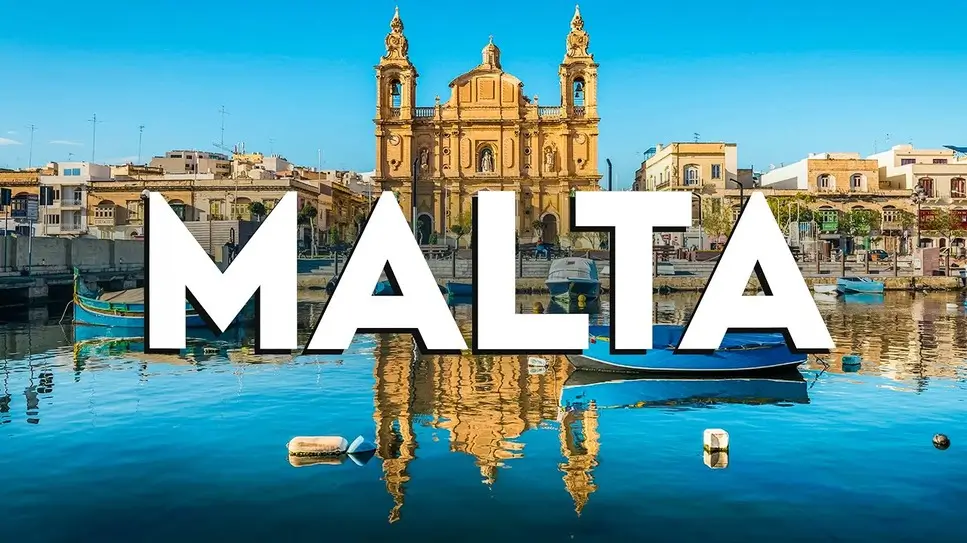

If you’re looking for an English speaking country to study in but find options like the USA, UK, Canada, Australia, or New Zealand too expensive, Malta stands out as a surprising and smart alternative. With English as one of its official languages, Malta has built a reputation as a cost effective study destination in Europe. But affordability isn’t just about tuition. It also extends to living costs, visa fees, and the relatively accessible student visa process. In this article, we’ll explore why Malta is such an affordable place to study, and how that ties into the Malta study visa experience.
Why Malta Is So Affordable for Students
1. Low to Moderate Tuition Costs
One of Malta’s biggest draws is its relatively low tuition fees, especially compared to major English speaking countries. Depending on the institution and program, international students may pay between €2,500 and €15,000 per year for many undergraduate and master’s programs.
Even in private schools or more specialized programs, the costs often remain far below what students pay in the US or UK. For public universities in Malta, fees can be particularly competitive, and in some cases only small administrative fees apply.
This makes Malta especially attractive for students on a tight budget who want a quality education without the sky high tuition of top tier anglophone universities.
2. Reasonable Cost of Living
Tuition is just part of the picture. The cost of living in Malta is also relatively affordable, especially given its high standard of living.
-
Accommodation in shared or private apartments usually ranges between €300 and €800 per month.
-
Monthly living expenses often fall in the €800 to €1,500 range depending on lifestyle.
-
Food, utilities, transport, and basic expenses can often be managed within €200 to €350 monthly.
Compared to the UK or US, where living expenses in major cities can be extremely high, Malta’s moderate prices help keep overall costs manageable.
3. Affordable English Language Programs
Because English is an official language in Malta, many programs are taught entirely in English. For students who want to improve their English or study in English without paying a premium, Malta is an excellent option.
Even short term language courses are reasonably priced. General English instruction often ranges from €200 to €300 per week, while more intensive or specialized courses may cost between €450 and €600 per week.
That makes Malta ideal for both degree seekers and students who want to boost their English at a reasonable price.
4. Work Rights for Students
Another factor that makes Malta affordable is students’ ability to work while studying. Non EU international students are typically allowed to work up to 20 hours per week during term time, which helps cover living costs.
This work flexibility lightens the financial burden and makes Malta more accessible for students who need to support themselves.
How Affordability Connects with the Malta Study Visa
All these cost advantages matter only if getting a Malta study visa is practical and affordable. Fortunately, the visa system aligns well with Malta’s reputation as a budget friendly study destination.
Visa Fees and Permit Costs
To study in Malta, non EU students generally need a national long stay visa and a student residence permit.
-
The visa application fee typically ranges from €70 to €100.
-
After arrival, the residence permit fee totals around €55.
-
The student residence permit is usually valid for up to one year and must be renewed annually.
These fees are modest when compared to other English speaking countries that often charge significantly more.
Proof of Financial Means
When applying for the study visa, students must show proof of sufficient funds to cover tuition and living costs.
For example, some institutions require demonstrating at least €9,600 per year to cover accommodation, tuition, and living expenses.
Because the overall cost of studying in Malta is lower, the required financial proof is often easier for students to meet.
Speed and Manageability of the Visa Process
Another benefit is the relatively straightforward process involved in obtaining the Malta study visa.
-
The initial visa processing time usually takes 2 to 4 weeks.
-
After arrival, the residence permit process often takes 4 to 8 weeks.
-
Students can book visa appointments up to six months ahead of their course start date.
This efficient process helps minimize unexpected costs such as reapplications or delays.
Comparing Malta Affordability to Other English Speaking Destinations
Here’s a quick comparison showing why Malta is often the most financially realistic option.
| Destination | Approx Annual Tuition | Monthly Living Cost | Work Rights and Visa Notes |
|---|---|---|---|
| Malta | €2,500 to €15,000 | €800 to €1,500 | 20 hours per week, modest visa fees |
| USA | Very high | High in major cities | Expensive visa, strict work rules |
| UK | Very high | Expensive | Limited work hours, costly visa |
| Australia Canada NZ | Very high | High | High proof of funds, strict visa rules |
Malta consistently offers lower tuition and more reasonable living expenses while still providing education in English.
Real World Example
Imagine you are accepted into a master’s program in Malta costing €10,000 per year. You plan a living budget of €900 per month. For visa purposes, you show proof covering the tuition plus living expenses for one year.
You pay the visa fee of around €80, and after arriving in Malta, you pay €55 for your residence card. With part time work, you manage to cover some of your expenses.
In this case, your total yearly cost is far lower than what you would spend in the US, UK, or Australia, while still receiving a high quality education in an English speaking environment.
Challenges to Keep in Mind
-
Not all programs are low cost. Some private schools charge higher tuition.
-
Accommodation prices vary widely based on location.
-
Visa rejections may occur if documents are incomplete.
-
Students need to plan for annual permit renewal.
These factors do not outweigh Malta’s affordability but are important to consider during planning.
Malta combines the advantages of an English speaking education with a cost structure that is far more accessible than most major anglophone countries. Reasonable tuition, manageable living expenses, work rights, and affordable visa fees make Malta one of the best choices for budget conscious international students.
When applying for the Malta study visa, these financial benefits make the process smoother, the financial requirements more attainable, and the overall journey more realistic. For students who want a high quality education without overwhelming costs, Malta is a smart and practical destination.
Get visa, passport, and travel-planning guides like this one sent straight to your inbox — plus first access to new country guides and scholarship roundups.