Navigating Travel at 7 Months Pregnant: Your Expert Guide
The third trimester often brings a mix of excitement and anticipation. As your due date draws nearer, you might feel a natural urge for one last adventure or a necessary trip before your baby arrives. Traveling while 7 months pregnant is certainly possible, but it requires careful planning and consideration for your health and comfort. This comprehensive guide, crafted by SEO and medical experts, provides essential information to ensure your journey is smooth and safe. We will cover everything from airline policies to smart packing, helping you make informed decisions for your travel plans in March 2026 and beyond.
Your well-being and that of your baby are the top priority. Understanding specific challenges and recommendations for travel during this stage of pregnancy is key. This article will equip you with practical advice and expert insights, allowing you to enjoy your travels with peace of mind. Get ready to explore the world safely, even with a baby on board!
Key Takeaways for Traveling While 7 Months Pregnant
- Consult Your Doctor Early: Always get medical clearance before planning any trip. Your healthcare provider can assess your health and advise on potential risks.
- Understand Airline Policies: Most airlines have restrictions for pregnant travelers in the third trimester. Check their specific rules regarding doctor’s notes and travel cut-off dates.
- Prioritize Comfort and Hydration: Wear compression socks, move frequently, and drink plenty of water to prevent swelling and deep vein thrombosis (DVT).
- Pack a Prenatal Travel Kit: Include all necessary medications, prenatal vitamins, and copies of your medical records.
- Choose Destinations Wisely: Opt for locations with good medical facilities and avoid remote areas or places with high health risks.
Is it Safe to Travel at 7 Months Pregnant?
Traveling during your seventh month of pregnancy, which falls within the third trimester, can be safe for many expectant mothers. However, this period is also when potential complications become more likely. It is crucial to have an open discussion with your healthcare provider before finalizing any travel plans. They can evaluate your individual health status, review your medical history, and advise on specific concerns.
Factors such as your overall health, the presence of any pregnancy complications, and your intended travel mode will influence your doctor’s recommendation. For instance, a woman with an uncomplicated pregnancy might receive clearance for short distance travel. Someone with a history of preterm labor would likely be advised against it. Always heed your doctor’s advice. Their guidance is paramount in ensuring a safe journey for both you and your baby.
Understanding Your Third Trimester

The seventh month marks the beginning of your third trimester, typically weeks 28 to 31. During this time, your baby is growing rapidly, and your body is undergoing significant changes. You might experience increased fatigue, swelling in your feet and ankles, Braxton Hicks contractions, and reduced mobility. These physical changes can make travel more challenging and require extra precautions.
Your balance may also be affected, making you more prone to falls. The risk of preterm labor, while still low, increases slightly in the third trimester. This is a primary reason why many airlines impose restrictions on late-term pregnancy travel. Awareness of these changes helps you plan for comfort and safety.
When to Avoid Travel
While many pregnant individuals can travel safely, specific situations strongly recommend avoiding travel, especially at 7 months pregnant. These situations pose higher risks to both mother and baby. It is essential to be honest with yourself and your doctor about these factors.
Here are key circumstances when travel should be avoided:
- High risk pregnancies: Conditions like preeclampsia, gestational diabetes, or placenta previa require constant medical supervision, making travel unsafe.
- History of preterm labor or miscarriage: Previous complications can increase current risks, making travel inadvisable.
- Multiple pregnancies: Carrying twins or more significantly increases risks of early labor and other complications.
- Vaginal bleeding: Any unexplained bleeding should be immediately addressed by a doctor and is a clear contraindication for travel.
- Recent hospitalizations: For pregnancy related issues, indicating a potentially unstable condition.
- Destinations with inadequate medical facilities: Or areas where specific immunizations are required that are not safe for pregnancy. Avoid remote locations without immediate medical assistance.
Airline Policies and Air Travel Tips
Air travel is often the quickest way to reach distant destinations, but it comes with specific regulations for pregnant passengers. Most airlines have policies regarding third trimester travel to minimize risks associated with cabin pressure changes, prolonged sitting, and potential for preterm labor. These policies typically require a doctor’s note and may restrict travel after a certain week of pregnancy.
It is vital to check with your specific airline well in advance of your travel date, ideally before booking your ticket. Policies can vary significantly between carriers and may change without much notice. Do not assume all airlines have the same rules, as even minor differences can impact your journey plans.
Airline Restrictions You Need to Know
Generally, airlines permit pregnant women to fly up to 36 weeks for single pregnancies and up to 32 weeks for multiple pregnancies. For international flights, these cut-off dates can be earlier due to longer flight times and potential for medical emergencies. Some airlines might require a doctor’s note for travel beyond 28 weeks. This note should state your estimated due date, confirm an uncomplicated pregnancy, and declare you are fit to fly.
Key airline policy considerations you must verify:
- Doctor’s Note Requirement: Most airlines mandate a letter from your physician after 28 weeks of pregnancy, sometimes earlier.
- Travel Cut-off Dates: Be aware of the absolute latest week you are permitted to fly. This is typically 36 weeks for domestic flights and 32 to 35 weeks for international travel.
- Medical Forms: Some airlines have their own specific medical forms that your doctor must complete and sign, rather than just a general letter.
- Layover Times: Consider booking flights with longer layovers. This allows for ample rest, stretching, and easier navigation through airports, reducing stress and fatigue.
Staying Comfortable on Flights
Long flights can be particularly challenging when 7 months pregnant. Discomfort, swelling, and the risk of deep vein thrombosis (DVT) are heightened due to reduced mobility and changes in blood circulation. Taking proactive steps can greatly improve your experience and reduce potential health risks.
Tips for a more comfortable flight:
- Choose an Aisle Seat: Allows for easier restroom access and more space to stretch without disturbing others.
- Wear Compression Socks: Highly recommended to help prevent leg and ankle swelling, improving circulation and reducing DVT risk.
- Stay Hydrated: Drink plenty of water throughout the flight. Avoid sugary drinks, excessive caffeine, and carbonated beverages.
- Move Frequently: Walk up and down the aisle every hour or two. Perform simple leg and foot exercises in your seat to keep blood flowing.
- Dress in Layers: Airplane cabins have fluctuating temperatures. Layers allow you to adjust easily and maintain comfort.
- Bring Healthy Snacks: Pack nutritious snacks like fruit, nuts, and whole-grain crackers to manage hunger, nausea, and ensure steady blood sugar.
- Use a Support Pillow: A small pillow for your lower back or neck can provide relief and improve posture, easing back pain.
Essential Documents for Air Travel
Beyond usual identification, specific medical documents are crucial when traveling while 7 months pregnant. These documents can be lifesavers in an emergency, provide necessary information to medical personnel, and are often required by airlines or immigration.
- Doctor’s Letter: Stating your fitness to fly, estimated due date, and absence of complications. It should be on your doctor’s letterhead and dated close to your travel.
- Prenatal Records: Carry a copy of your most recent prenatal chart. This includes blood type, significant ultrasound results, medical history summary, and your primary healthcare provider’s contact.
- Travel Insurance Details: Have proof of your travel insurance coverage, especially if it includes pregnancy related emergencies and medical evacuation. Know your policy number and insurer’s emergency contacts.
- Emergency Contact Information: Keep a list of emergency contacts, including your healthcare provider, a trusted family member, and any local contacts at your destination, in an easily accessible place.
Road Trips and Other Travel Modes
While air travel has unique considerations, road trips, train travel, and cruises also require careful planning when pregnant. Each mode offers different advantages and disadvantages for the expectant traveler, influencing comfort, safety, and flexibility. Understanding these differences helps you choose the best option for your needs.
Making Car Travel Comfortable
Road trips offer unparalleled flexibility and the ability to stop frequently, ideal for pregnant travelers. However, long hours in a car can lead to discomfort, fatigue, and increased swelling. Planning ahead can mitigate these issues.
- Frequent Stops: Plan breaks every 1 to 2 hours. Stretch your legs, walk around, use the restroom, and grab a healthy snack. This prevents blood clots and reduces discomfort.
- Proper Seatbelt Use: Always wear your seatbelt correctly. The lap belt should go under your belly, across your hips, and the shoulder strap between your breasts and over your shoulder. Never place the lap belt over your abdomen.
- Lumbar Support: Use a small pillow or a rolled towel for lower back support. This can significantly reduce back pain during long drives.
- Stay Hydrated and Snack Smart: Keep water and healthy, easily digestible snacks within reach. This helps manage hunger, prevent dehydration, and avoid nausea.
- Avoid Driving Long Stretches: If you are the primary driver, share duties with a travel companion. If traveling alone, ensure stops are frequent and allow for sufficient rest.
Train and Cruise Travel Considerations
Train travel can be quite comfortable for pregnant individuals, offering more space to move around and a smoother journey compared to cars or planes. Cruises, however, have stricter policies similar to airlines due to limited medical facilities onboard.
Train Travel Benefits:
- Spacious Seating: More legroom and wider seats allow for greater comfort and easier movement.
- Freedom to Move: Easily get up and walk around the train car, reducing DVT risk and alleviating stiffness.
- Access to Facilities: Restrooms and dining cars are usually readily available, making it convenient to stay hydrated and nourished.
- Smooth Ride: Generally less bumpy than car travel and avoids pressure changes associated with flying.
Cruise Travel Cautions:
- Strict Policies: Most cruise lines will not allow women to sail past 24 to 28 weeks of pregnancy. This is due to limited medical facilities and difficulty of emergency evacuations at sea.
- Limited Medical Care: Onboard medical facilities are basic, equipped for minor ailments, not complex obstetric emergencies or preterm labor.
- Prescription Medications: All regular medications, including prenatal vitamins. Ensure enough for the entire trip, plus a few extra days.
- Over the Counter Remedies: Doctor approved pain relievers (like acetaminophen), antacids, and motion sickness bands. Always confirm with your doctor first.
- Basic First Aid: Include band-aids, antiseptic wipes, and personal allergy medications.
- Hand Sanitizer: Essential for hygiene, especially in public places.
- Copies of Medical Records: Vital for any unexpected medical needs. Keep both digital and physical copies.
- Snacks and Water Bottle: To ensure constant access to nourishment and hydration, especially when options are limited or delayed.
- Drink Plenty of Water: Carry a reusable water bottle and refill it frequently. Aim for consistent hydration throughout the day.
- Eat Regular, Small Meals: Avoid skipping meals, which can lead to low blood sugar and nausea. Opt for nutrient dense snacks like fresh fruits, nuts, yogurt, and whole grain crackers to keep energy stable.
- Avoid Risky Foods: Be cautious of street food, unpasteurized dairy products, raw or undercooked meats, and seafood, especially in new destinations. Stick to well cooked meals from reputable establishments.
- Vaginal bleeding or fluid leakage: Any amount of blood, spotting, or a gush of fluid requires immediate medical evaluation.
- Severe abdominal pain or cramping: Especially if persistent, increasing in intensity, or accompanied by other symptoms.
- Sudden or severe swelling: In your face, hands, or feet, as this can be a sign of preeclampsia.
- Persistent headaches or visual disturbances: Such as blurred vision, seeing spots, or flashing lights, also indicating preeclampsia.
- Fever or chills: These can be signs of an infection needing prompt medical attention.
- Decreased fetal movement: If you notice a significant reduction or absence in your baby’s usual movements, contact a doctor immediately.
- Access to Quality Medical Care: Prioritize places with modern hospitals, reputable clinics, and, if possible, English speaking doctors. Research these facilities before you travel.
- Low Risk of Infectious Diseases: Avoid areas with active outbreaks of Zika virus, malaria, dengue fever, or other diseases harmful to pregnancy or requiring unsafe vaccinations.
- Familiar Environment: If possible, choose destinations you are somewhat familiar with or that have well developed tourist infrastructure, reducing stress and unexpected challenges.
- Relaxing Pace: Opt for a trip focused on relaxation rather than strenuous activities or a packed sightseeing itinerary. The goal is to unwind, not to exhaust yourself.
- Gentle Walks: Explore local sights at a leisurely pace, taking frequent breaks. This helps with circulation and keeps you active.
- Swimming: A great way to relieve pressure on your joints and stay cool, especially in warmer climates. Ensure pools are clean and well maintained.
- Prenatal Yoga or Stretching: If available and approved by your doctor, these can help maintain flexibility and reduce discomfort.
- Pregnancy Safe Spa Treatments: Opt for massages or facials specifically designed for expectant mothers. Avoid treatments involving extreme heat or certain essential oils.
- Relaxing by the Pool or Beach: With plenty of shade, a good book, and consistent hydration. Enjoy the peace and quiet.
- High Impact Sports: Running, jumping, horseback riding, or anything involving a risk of falling or abdominal trauma.
- Roller Coasters or Amusement Park Rides: Due to sudden stops, starts, and jolts.
- Scuba Diving: Changes in pressure at depth can be dangerous for the developing fetus.
- Saunas, Hot Tubs, Steam Rooms: Can lead to overheating, which is harmful during pregnancy. Stick to lukewarm baths or showers.
- Activities at High Altitudes: May reduce oxygen supply to both you and your baby, especially if not accustomed.
- Contact Sports: Any activity with a risk of direct impact to the abdomen.
- Read the Fine Print: Thoroughly understand what is and is not covered. Pay close attention to exclusions related to pregnancy and pre existing conditions.
- Seek Specialized Policies: Look for policies that specifically cover pregnancy complications, emergency medical care, and even preterm birth. Some insurers offer add ons for pregnancy coverage.
- Declare Your Pregnancy: Always inform your insurer about your pregnancy when purchasing the policy. Failure to do so could result in claim rejections.
- Identify Hospitals: Locate the nearest reputable hospitals or clinics to your accommodation. Note their addresses and contact numbers. If possible, check reviews for their maternity care services.
- Save Emergency Numbers: Have local emergency services numbers (like 911 or its equivalent) saved in your phone, along with the contact information for your travel insurance provider.
- Share Your Itinerary: Let family or friends know your travel plans, flight details, accommodation addresses, and how to reach you. Provide them with copies of your essential documents.
- Carry Medical Alert Information: If you have any specific medical conditions or allergies, carry this information in a clearly visible format, possibly translated into the local language.
Consult Early: If considering a cruise, check the specific cruise line’s pregnancy policy before* booking. Failure to do so could result in denied boarding.
Health and Safety Essentials
Your health and safety are paramount when traveling while 7 months pregnant. Being prepared for potential health needs and emergencies can make all the difference between a smooth trip and a stressful situation. Proactive measures are the best defense against unforeseen challenges.
Packing Your Prenatal Travel Kit
A well-stocked travel kit is an absolute must for any pregnant traveler. Think of it as your portable health station, containing all essentials you might need away from home. Being organized can alleviate a lot of stress.
Staying Hydrated and Nourished
Dehydration and inadequate nutrition can quickly lead to discomfort and complications during pregnancy, such as fatigue, Braxton Hicks contractions, or dizziness. This is even more critical when traveling, as routines can be disrupted and access to familiar foods may be limited.
Recognizing Warning Signs
Knowing when to seek medical attention is crucial, regardless of your location. While you hope for an uneventful trip, being aware of potential warning signs means you can act quickly if an emergency arises. Do not hesitate to contact a doctor or seek immediate medical care if you experience any of the following:
It is always better to be safe and have any concerns checked by a medical professional. Trust your instincts.
Destination Choices and Activities
Choosing the right destination and planning appropriate activities are key to an enjoyable and safe trip when 7 months pregnant. Some locations are inherently more pregnancy friendly than others, offering better support and fewer risks. Thoughtful selection ensures your trip is relaxing and memorable.
Ideal Destinations for Pregnant Travelers
When selecting a destination for your babymoon or essential travel, consider these critical factors to ensure safety and comfort:
Consider a quiet resort with spa facilities, a city break with easy access to amenities and cultural sites, or a visit to family and friends in a familiar location. Tropical beaches with good medical access can be ideal for relaxation.
Activities to Enjoy and Avoid
Once at your destination, plan activities that are gentle, enjoyable, and safe for your stage of pregnancy. Listen to your body and do not overexert yourself.
Activities to Enjoy:
Activities to Avoid:
Insurance and Emergency Preparedness
Even with the best planning, unexpected situations can arise when traveling. Comprehensive travel insurance and a clear emergency plan are not just advisable but vital when traveling while 7 months pregnant. They provide a crucial safety net and peace of mind.
Travel Insurance for Pregnancy
Many standard travel insurance policies do not cover pregnancy related complications, especially in the third trimester. It is essential to be meticulous when selecting and purchasing your policy:
Having the right insurance provides a critical financial safety net against potentially costly medical emergencies abroad, including hospital stays or emergency medical evacuations.
Emergency Contacts and Local Hospitals
Before you leave for your trip, take time to research medical facilities and establish an emergency plan at your destination. This proactive step can save valuable time and reduce stress if an emergency occurs.
Being prepared for the unexpected is a hallmark of responsible travel, especially when you are carrying precious cargo. Your peace of mind is worth the extra effort.
Comparison of Travel Modes for 7 Months Pregnant
| Travel Mode | Pros | Cons | Key Considerations |
| **Air Travel** | Quick for long distances, often comfortable seating | Airline restrictions, DVT risk, cabin pressure changes | Doctor’s note, aisle seat, compression socks, frequent movement |
| **Road Trip** | Flexibility, frequent stops, personal space | Long hours sitting, potential for fatigue, bumpy roads | Plan breaks, proper seatbelt, lumbar support, share driving |
| **Train Travel** | Spacious, freedom to move, scenic views | Limited destinations, potential for delays | Easy access to restrooms, comfortable seating, less jarring |
| **Cruise Travel** | Relaxing, amenities, fixed itinerary | Very strict pregnancy policies (often not allowed), limited medical care | Check policy *before* booking, basic onboard medical facilities |
Conclusion
Traveling at 7 months pregnant can be a wonderful and memorable experience, whether it is for a babymoon, a visit to family, or a necessary business trip. The key to a successful journey lies in thorough preparation, open communication with your healthcare provider, and prioritizing your comfort and safety above all else. By understanding airline policies, packing smart, choosing appropriate destinations, and being acutely aware of potential risks and warning signs, you can embark on your travels with confidence and peace of mind.
Remember, this unique time in your life calls for extra care and attention to detail. Listen to your body, do not hesitate to seek medical advice, and make choices that support your well-being and that of your baby. Enjoy these last few months before your little one arrives, and have a safe and pleasant journey!
Frequently Asked Questions (FAQ)
Q1: Is it generally safe to travel at 7 months pregnant?
A1: For most women with uncomplicated pregnancies, traveling at 7 months (28-31 weeks) can be safe with proper planning and medical clearance. However, it is crucial to consult your doctor to assess your individual health, discuss your specific travel plans, and receive personalized advice tailored to your condition.
Q2: What are the airline restrictions for pregnant travelers in the third trimester?
A2: Most airlines allow pregnant women to fly up to 36 weeks for single pregnancies and 32 weeks for multiple pregnancies. Many require a doctor’s note after 28 weeks, especially for international flights. This note should confirm your fitness to fly and estimated due date. Always check your specific airline’s policy well in advance, as rules can vary.
Q3: What should I pack in my carry-on for a flight while pregnant?
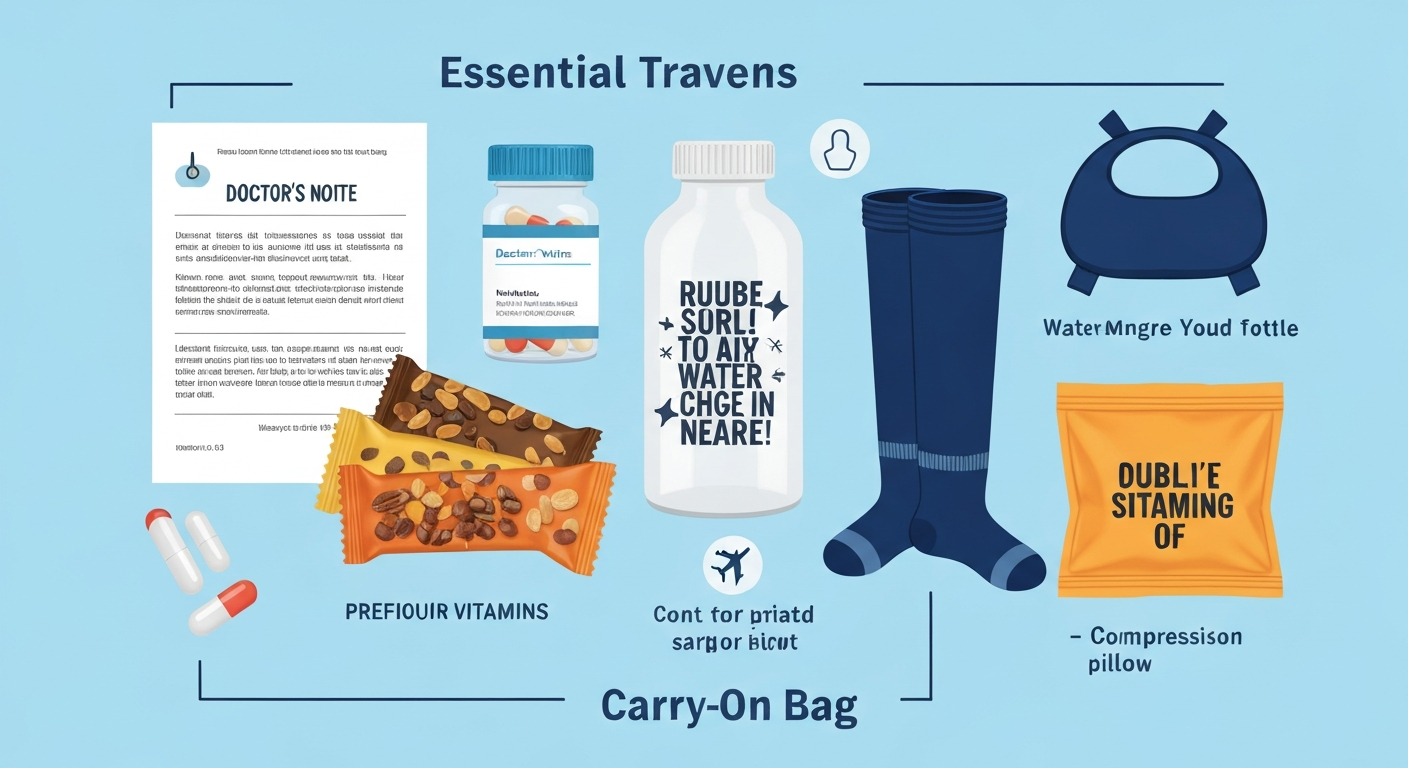
A3: Essential carry-on items include your doctor’s note and prenatal records, all prescription medications, prenatal vitamins, healthy snacks, a reusable water bottle, compression socks, a comfortable pillow for lumbar or neck support, and hand sanitizer. Comfort items like a light shawl or eye mask can also be beneficial.
Q4: Are there any destinations I should avoid when 7 months pregnant?
A4: Yes, it is advisable to avoid destinations with limited access to quality medical care, areas with high risks of infectious diseases (like Zika or malaria), and places requiring extensive vaccinations unsafe for pregnancy. High altitude destinations or those requiring strenuous physical activities should also be avoided to minimize risks.
Q5: Do I need special travel insurance when pregnant?
A5: Standard travel insurance often excludes pregnancy related complications, especially in the third trimester. It is highly recommended to seek specialized travel insurance that explicitly covers medical emergencies, pregnancy complications, and even preterm birth during your trip. Always declare your pregnancy to your insurer to ensure coverage.