Unfold Your Practice: The Ultimate Guide to Foldable Travel Yoga Mats
Traveling often means leaving your daily routines behind. For yoga enthusiasts, this can be a challenge. How do you maintain your practice when you are constantly on the move? The answer lies in a clever innovation: the foldable travel yoga mat.
Imagine packing your yoga mat with the ease of folding a t-shirt. No more bulky rolls taking up precious suitcase space. A foldable mat is designed for the modern traveler, offering the freedom to practice yoga, meditate, or stretch wherever your journey takes you. From bustling city hotels to serene beachside retreats, your personal sanctuary is always within reach.
This guide will explore everything you need to know about these essential travel companions. We will dive into their benefits, key features, different materials, and how to choose the perfect one for your adventures. Get ready to transform your travel experience and keep your practice consistent, no matter the destination.
Key Takeaways for Your Travel Yoga Mat Journey
- Portability is Paramount: Foldable mats are designed for ultimate compactness, fitting easily into carry-on luggage or backpacks without adding significant bulk.
- Grip and Stability are Crucial: Look for materials and textures that offer excellent traction, ensuring safety and confidence in various poses, even on unfamiliar surfaces.
- Material Matters for Performance: Natural rubber provides superior grip and eco-friendliness, while TPE offers a lighter, more budget-friendly option. Choose based on your priorities.
- Consider Thickness and Weight: A thinner mat (1-2mm) is lighter and more compact but offers less cushioning. Balance portability with your need for comfort and joint support.
- Easy Care Extends Life: Simple cleaning routines and proper storage will keep your foldable mat fresh and durable, ready for countless journeys.
Why a Foldable Travel Yoga Mat is Your Best Travel Companion
For many, yoga is more than just exercise; it is a way of life, a source of peace, and a tool for well-being. Traveling should not mean putting this essential practice on hold. Foldable travel yoga mats make it possible to maintain your routine, bringing a piece of your home studio with you.
Unmatched Portability and Convenience
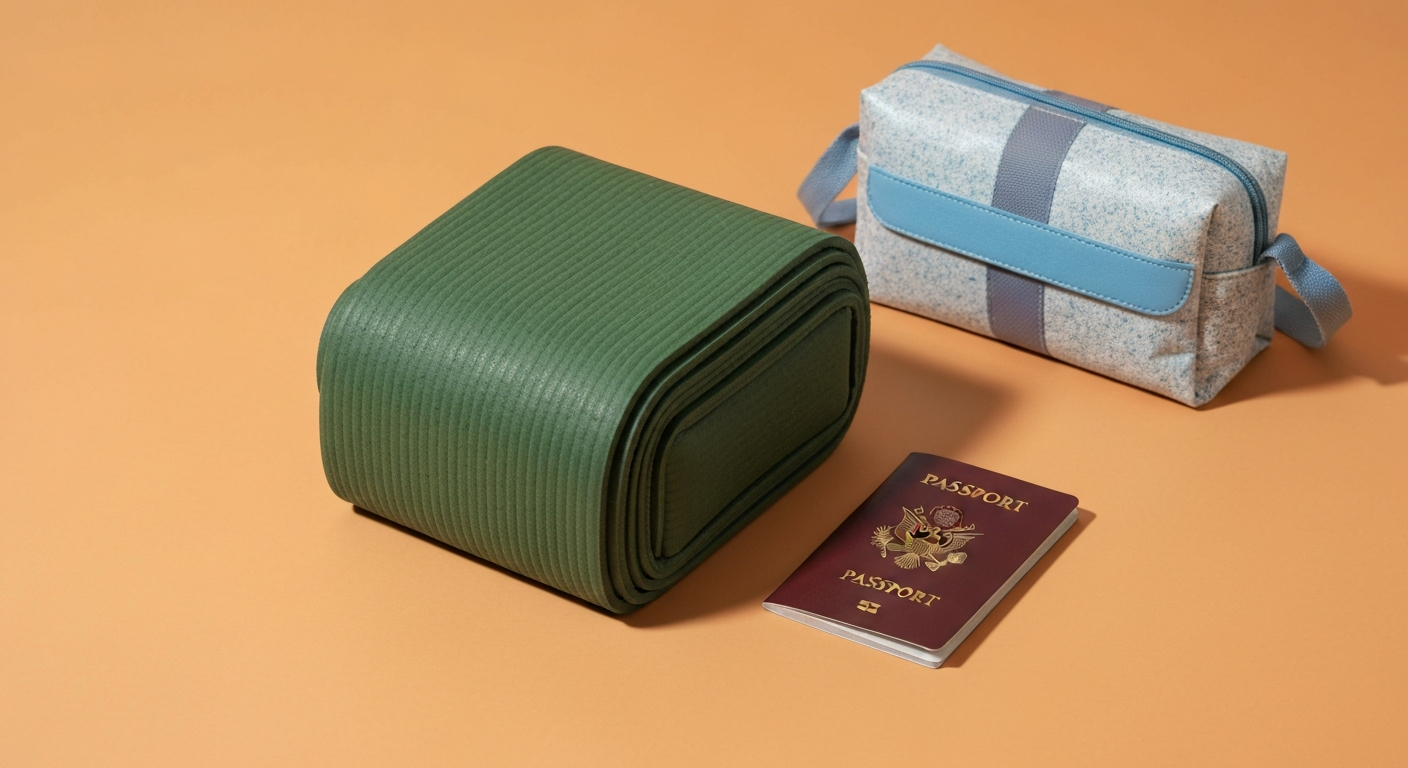
The primary advantage of a foldable mat is its incredible portability. Unlike traditional mats that roll up into a cylindrical shape, foldable mats are designed to fold flat. This allows them to fit neatly into suitcases, carry-on bags, or even large backpacks, saving space and making packing a breeze. You no longer have to choose between your yoga practice and traveling light.
Maintaining Your Practice, Anywhere
Whether you are on a business trip, a family vacation, or an adventurous backpacking journey, a foldable mat ensures your practice remains uninterrupted. You can unroll your mat in a hotel room, at an airport lounge, on a beach, or in a park. This flexibility helps you stay centered and grounded, even amidst the hustle and bustle of travel.
Hygiene and Personal Space
Practicing on shared mats in hotels or studios can be a concern for some. A personal foldable mat provides a hygienic surface for your practice, giving you peace of mind. It is your own clean space, offering comfort and familiarity no matter where you are in the world.
Essential Features of a Great Foldable Travel Mat
Choosing the right foldable travel yoga mat involves more than just picking a color. Several key features contribute to its performance, durability, and suitability for your travels. Understanding these will help you make an informed decision.
Grip and Stability for Safety
One of the most critical features is excellent grip. A travel mat needs to provide secure traction on various surfaces, from hotel carpets to tiled floors. Look for materials that offer a non-slip surface, ensuring you can hold poses confidently without fear of slipping, even when you sweat.
Material Matters: Durability and Eco-Friendliness
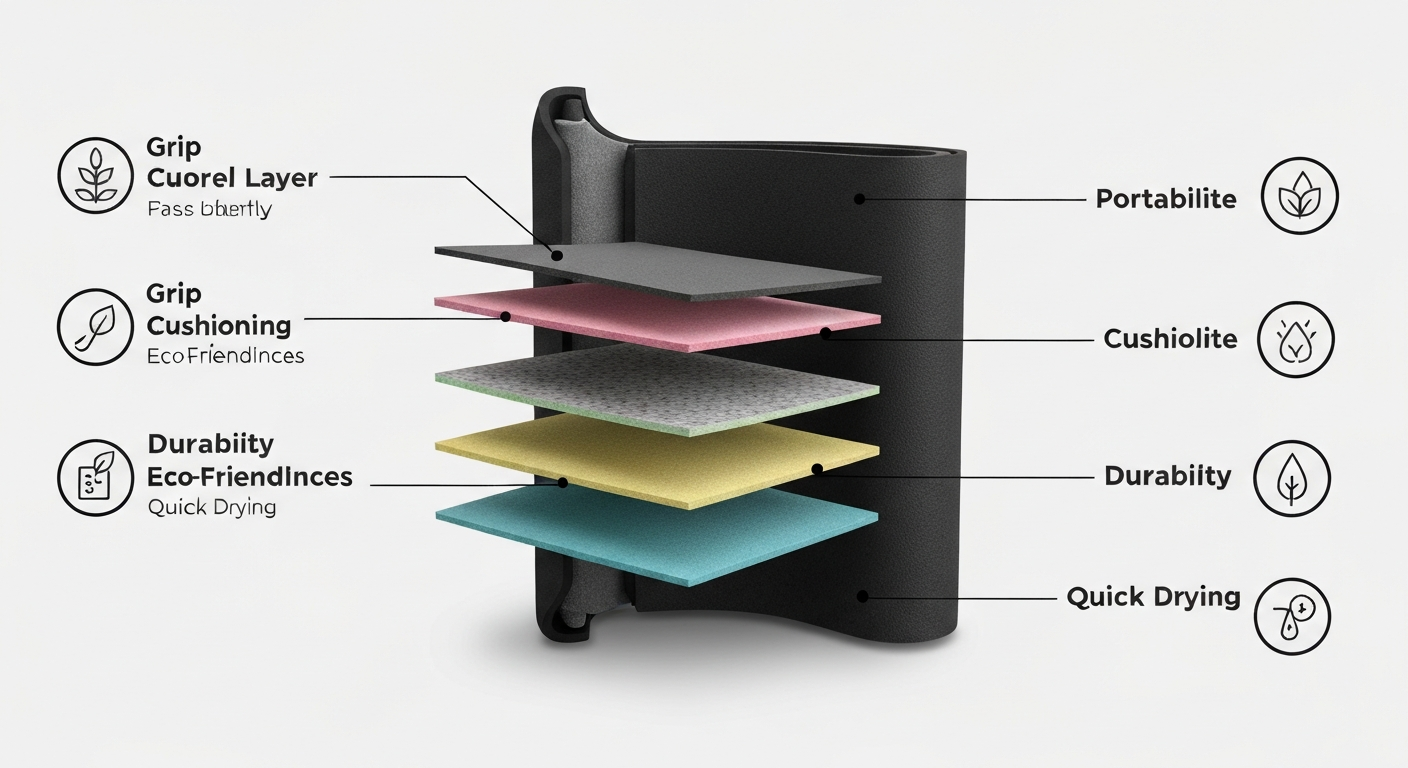
The material of your mat impacts its grip, weight, durability, and environmental footprint. Common materials include natural rubber, TPE (Thermoplastic Elastomer), and sometimes PVC or cotton. Eco-friendly options like natural rubber are often preferred for their sustainability and superior performance.
Thickness and Cushioning for Comfort
Foldable travel mats are generally thinner than standard studio mats to maximize portability. They usually range from 1mm to 2.5mm in thickness. While thinner mats are lighter, they offer less cushioning. Consider your joint sensitivity and preferred yoga style when deciding on thickness. If you need more support, a slightly thicker travel mat might be a better choice.
Weight: Lightness is Key
Since you will be carrying this mat, its weight is a significant factor. The lighter the mat, the easier it is to transport. Most foldable travel mats weigh between 1 to 3 pounds. Aim for a mat that feels light enough for you to comfortably carry without adding noticeable burden to your luggage.
How it Folds: Design and Compactness
Different mats fold in various ways. Some fold into a neat square, while others fold into a rectangle. The folding mechanism should be simple and quick. The goal is to achieve the most compact size possible, allowing it to fit effortlessly into your bag alongside your other belongings.
Navigating the World of Travel Mat Materials
The material of your foldable travel yoga mat plays a huge role in its feel, performance, and longevity. Each material has distinct characteristics that cater to different needs and preferences.
Natural Rubber: The Gold Standard
Natural rubber mats are highly prized for their exceptional grip, even when wet. They offer a dense, stable surface that prevents slipping. They are also an eco-friendly choice, as natural rubber is biodegradable and sustainably sourced. However, they can be heavier and might have a distinct rubber smell initially.
TPE (Thermoplastic Elastomer): Lightweight and Eco-Conscious
TPE mats are a popular alternative. They are generally lighter than rubber mats, making them excellent for travel. TPE is also a recyclable material, often considered more eco-friendly than PVC. While they offer good grip, it might not be as superior as natural rubber, especially in very sweaty practices.
PVC: The Traditional, Durable Choice
PVC (polyvinyl chloride) mats have been a staple in yoga studios for years due to their durability and affordability. They offer decent grip and good cushioning. However, PVC is not biodegradable and can contain phthalates, which are chemicals some prefer to avoid. Many brands now offer non-toxic PVC options.
Cotton and Jute: Natural and Absorbent
Some travel mats are made from natural fibers like cotton or jute. These offer a unique, fabric-like feel and are excellent for absorbing sweat, providing a non-slip surface in hot yoga. They are often very lightweight and foldable, but might offer less cushioning than rubber or TPE mats.
Choosing Your Perfect Foldable Travel Yoga Mat
Selecting the ideal foldable travel yoga mat involves considering your personal yoga style, travel habits, and specific needs. It is about finding the right balance between portability, comfort, and performance.
Consider Your Destination and Yoga Style
Think about where you will be practicing. If you are heading to a humid climate or plan on hot yoga, a mat with superior wet grip, like natural rubber or a cotton blend, is essential. For gentle practices or meditation, a slightly softer or more cushioned mat might be preferred. If you primarily practice outdoors, consider a mat that is easy to clean and durable against varied surfaces.
Personal Preferences: Grip, Feel, and Aesthetics
Ultimately, your mat should feel good to you. Some yogis prefer a very sticky surface, while others like a bit more give. Consider the texture, the smell (some materials have a stronger odor), and even the color or design. Your mat is an extension of your practice, so choose one that resonates with you.
Foldable vs. Rollable Travel Mats: A Comparison
While both types of mats are designed for portability, their core difference lies in how they are stored and packed. Understanding these differences can help you decide which is best for your travel style.
| Feature | Foldable Travel Yoga Mat | Rollable Travel Yoga Mat |
| **Storage Method** | Folds flat into a compact square or rectangle | Rolls up into a cylinder |
| **Luggage Fit** | Fits easily inside backpacks, carry-ons, suitcases | Often needs to be strapped to outside of bag or takes up long space |
| **Compactness** | Highly compact, minimal space taken | Can be bulky due to cylindrical shape |
| **Creases** | May develop creases where it folds | Smooth surface, no creases |
| **Portability** | Excellent for tight spaces, hands-free carrying | Good, but shape can be awkward for some bags |
| **Typical Thickness** | 1mm-2.5mm | 3mm-4mm (can be thicker) |
Caring for Your Travel Yoga Mat
Proper care ensures your foldable travel yoga mat remains hygienic, grippy, and durable for many journeys to come. A little maintenance goes a long way in extending its lifespan.
Simple Cleaning for Longevity
After each practice, especially if you have sweated, gently wipe your mat down. Use a soft cloth dampened with water and a tiny drop of mild soap, or a specialized yoga mat cleaner. Avoid harsh chemicals, as they can degrade the mat material and reduce its grip. Allow the mat to air dry completely before folding and storing it.
Proper Storage Tips
Once dry, fold your mat neatly according to its design. Store it in a cool, dry place away from direct sunlight, which can cause some materials to break down over time. If your mat comes with a travel pouch or bag, use it to protect the mat from dirt and wear during transit.
Expert Insights on Mindful Travel Practice
“Yoga on the road is not just about physical postures; it is about bringing your mindful presence to new environments. A travel mat is a symbol of your commitment to self-care, a portable anchor in a constantly changing world. It reminds you that your practice is always accessible, no matter how far you roam.”
This insight highlights the deeper connection between travel and practice, emphasizing the mental and emotional benefits of having your mat with you.
Conclusion: Unfold Your Practice, Explore the World
The foldable travel yoga mat is more than just a piece of equipment; it is a gateway to continued well-being and exploration. It empowers you to maintain your cherished yoga practice, providing a stable and hygienic space for mindfulness, stretching, and strength building, no matter where your travels lead.
By carefully considering factors like grip, material, thickness, and how it folds, you can find a mat that perfectly suits your needs. Embrace the freedom and flexibility that a foldable travel mat offers. Unfold your practice, stay grounded, and experience the world with a renewed sense of balance and calm. Your next adventure, and your next yoga pose, await.
Frequently Asked Questions About Foldable Travel Yoga Mats
Q1: How thin should a travel yoga mat be?
A travel yoga mat typically ranges from 1mm to 2.5mm in thickness. Thinner mats (1mm-1.5mm) are more compact and lighter, ideal for ultimate portability. Thicker mats (2mm-2.5mm) offer a bit more cushioning, which can be beneficial for those with sensitive joints or who prefer more comfort during their practice. The best thickness depends on your personal preference and how much cushioning you need.
Q2: Can I use a foldable travel mat as my everyday mat?
While a foldable travel mat is designed for portability, it can certainly be used as an everyday mat, especially if you have limited space or prefer a thinner surface. However, keep in mind that they generally offer less cushioning than standard studio mats (which are usually 4mm-6mm thick). For very intense or long daily practices, some people might prefer the extra support of a thicker, non-travel mat.
Q3: How do I clean my foldable travel yoga mat?
Cleaning your foldable travel yoga mat is simple. After each use, especially if you have sweated, wipe it down with a damp cloth. You can use plain water or a solution of water mixed with a small amount of mild soap (like dish soap) or a dedicated yoga mat cleaner. Avoid harsh chemicals or excessive scrubbing. Allow the mat to air dry completely by hanging it or laying it flat before folding and storing it, to prevent mildew and odors.
Q4: Will a foldable mat get creases that affect my practice?
It is common for foldable mats to develop visible creases where they fold. However, these creases usually flatten out once the mat is laid flat and do not typically affect the functionality or grip during your practice. Over time, with consistent use, the material may become more pliable, and the creases might become less pronounced. The slight creasing is a small trade-off for the exceptional portability they offer.
Q5: Are foldable travel yoga mats eco-friendly?
Many foldable travel yoga mats are designed with eco-friendliness in mind. Materials like natural rubber, which is biodegradable and sustainably harvested, and TPE (Thermoplastic Elastomer), which is recyclable and free of PVC, are common choices. When choosing a mat, look for certifications or descriptions that highlight sustainable sourcing, non-toxic materials, and recyclable properties if environmental impact is a key concern for you.