The Essential Guide to Travel Kennels: Safe Journeys for Your Beloved Pet
Traveling with your furry friend can be one of life’s greatest joys. Whether you are heading out for a weekend getaway, moving to a new city, or flying across the country, ensuring your pet’s safety and comfort is always a top priority. A reliable travel kennel is not just a container; it is a vital tool for keeping your pet secure, reducing stress, and complying with travel regulations.
Choosing the right travel kennel can seem overwhelming with so many options available. This comprehensive guide will walk you through everything you need to know. We will cover different types of kennels, how to select the perfect one for your pet, essential safety tips, and how to make the travel experience positive for everyone involved. Get ready to explore the world confidently with your cherished companion by your side.
Investing in a high-quality travel kennel is an investment in your pet’s well-being and your peace of mind. Let us dive into the world of pet travel and discover how to make every journey a happy and safe adventure.
Key Takeaways for Pet Travel Success
- Size and Fit are Critical: Always measure your pet carefully to ensure the kennel is spacious enough for them to stand, turn around, and lie down comfortably. A snug fit is never a good idea.
- Consider Travel Mode: The type of travel (car, plane, train) dictates the best kennel. Airline travel has strict rules, while car travel focuses on crash safety.
- Material Matters: Soft-sided kennels are great for short trips and easy storage, while hard-sided options offer more protection and are often required for air travel.
- Acclimation is Key: Introduce your pet to their travel kennel well before your trip. Positive reinforcement helps them view it as a safe den, not a punishment.
- Safety Features: Look for secure latches, adequate ventilation, and durable construction to prevent escapes and ensure proper airflow.
Understanding Travel Kennels: More Than Just a Box
A travel kennel serves multiple purposes beyond simply containing your pet. It acts as a safe space, a protective barrier, and a compliant carrier for various modes of transport. For many pets, especially dogs and cats, a kennel can become a familiar and comforting den, reducing anxiety during unfamiliar situations.
These specialized carriers are designed with features that prioritize pet safety and comfort during movement. They typically include good ventilation, secure closures, and materials that are easy to clean. The primary goal is to minimize stress for your animal while ensuring they remain contained and protected from potential hazards.
Using a travel kennel properly can also prevent distractions for drivers, making car journeys safer for everyone. For air travel, a kennel is non-negotiable, as airlines have specific requirements to ensure the well-being of animals in cargo or cabin.
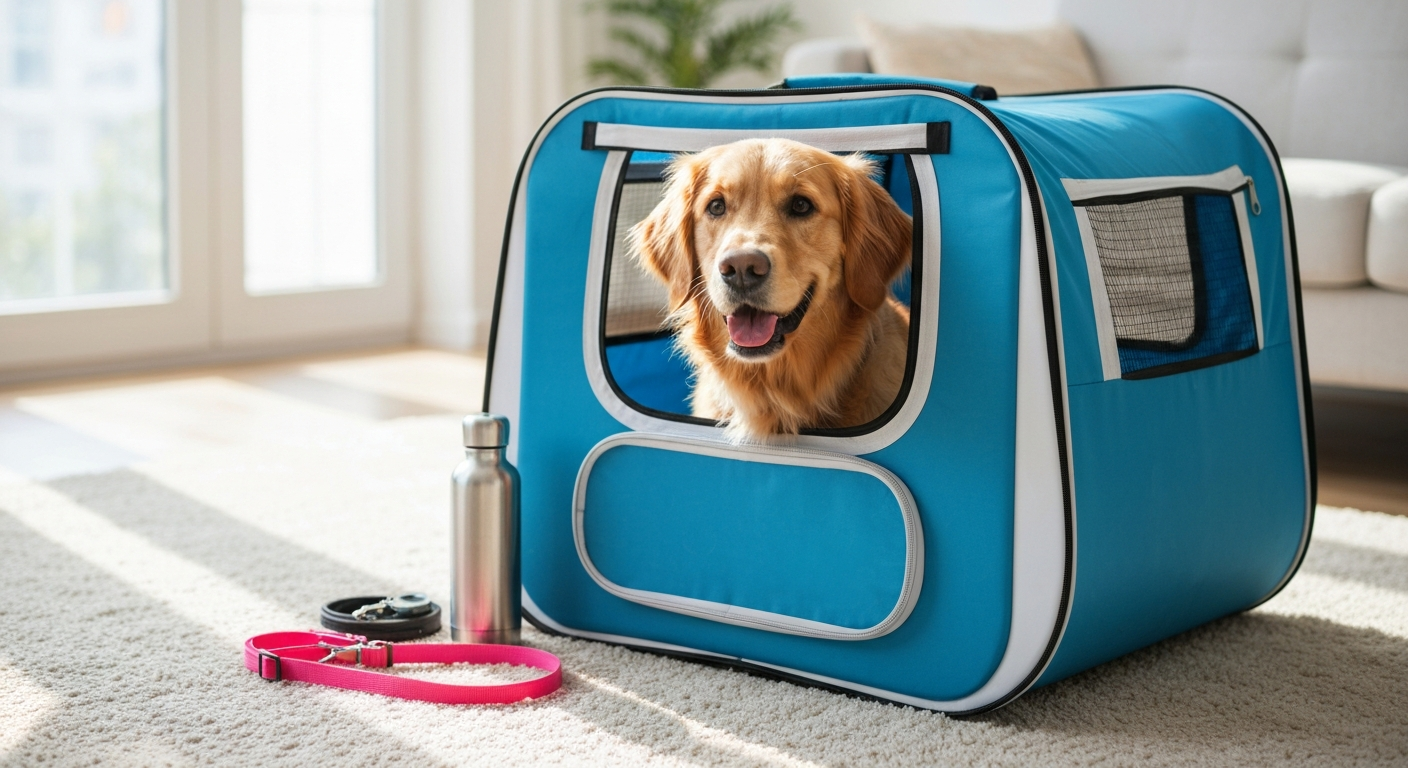
Moreover, a travel kennel can provide a sense of security for your pet in new environments, such as hotels or relatives’ homes. It gives them a private retreat where they can feel safe and relaxed, reducing behavioral issues in unfamiliar surroundings.
Types of Travel Kennels: Finding Your Pet’s Perfect Ride
Choosing the right type of travel kennel depends on your pet’s size, temperament, and your specific travel plans. Each type offers distinct advantages and disadvantages.
Soft-Sided Kennels
Soft-sided kennels are often made from durable fabric like nylon or mesh. They are lightweight, foldable, and typically feature mesh windows for ventilation. These kennels are ideal for:
- Short car trips: Easy to secure and transport.
- Trips to the vet or groomer: Convenient and less intimidating for some pets.
- In-cabin airline travel: Many models are designed to fit under an airplane seat, provided they meet specific airline dimensions.
- Easy storage: They collapse flat when not in use.
However, soft-sided kennels are not suitable for pets who chew aggressively or for situations requiring maximum protection, like cargo air travel. They also offer less structural integrity in case of impact.
Hard-Sided Kennels
Constructed from rigid plastic or metal, hard-sided kennels offer superior protection and durability. They are the go-to choice for:
- Cargo airline travel: Most airlines require hard-sided kennels for pets traveling in the cargo hold due to their robust construction.
- Chewers: The hard material resists damage from pets who like to chew.
- Maximum safety: They provide better impact protection in vehicles.
- Longer journeys: The sturdy structure provides a more stable environment.
While more durable, hard-sided kennels are heavier and take up more space, even when disassembled. They can also be less comfortable for pets if not properly outfitted with bedding.
Airline-Approved Kennels
Airline approval is a specific designation, primarily for hard-sided kennels, that meets the strict guidelines set by the International Air Transport Association (IATA). These kennels must have:
- Proper dimensions: Allowing the pet to stand, turn, and lie down naturally.
- Adequate ventilation: On at least three sides for domestic flights, four for international.
- Secure door: Made of metal and securely latched.
- Food and water bowls: Attached to the inside of the door, accessible from the outside.
- Live Animal labels: Clearly marked on the outside.
Always double-check with your specific airline for their exact requirements, as rules can vary. Failure to meet these standards can result in your pet being denied boarding.
Crate Alternatives
While not strictly
a traditional ‘kennel’ or ‘crate,’ some pet owners opt for car safety restraints like harnesses that buckle into seatbelts for short car trips. While these provide some restraint, they do not offer the same enclosed, secure, and den-like environment as a kennel. They are generally not suitable for air travel or situations where your pet needs a fully contained space. For maximum safety and comfort, a dedicated travel kennel is almost always the superior choice for any significant journey. These alternatives are best suited for very specific, limited scenarios and should not be confused with the comprehensive protection offered by a proper travel kennel. They lack the structural integrity to protect against impact or provide a secure, private retreat for your pet. They also don’t meet any airline requirements. Always prioritize your pet’s safety and comfort by choosing the most appropriate travel solution for your specific needs.
Choosing the Right Travel Kennel for Your Pet
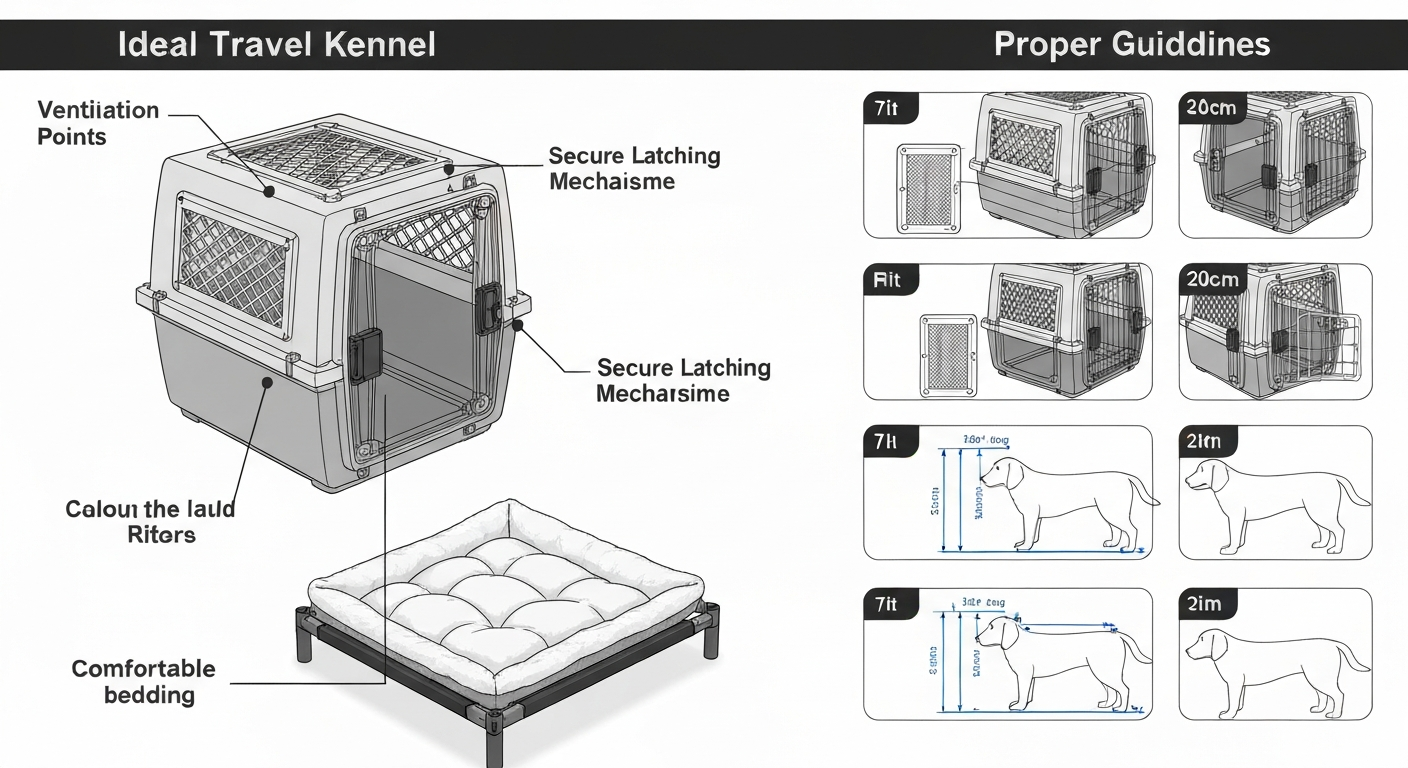
Selecting the perfect travel kennel involves more than just picking one off the shelf. It requires careful consideration of several factors to ensure your pet’s comfort, safety, and compliance with travel regulations.
Assess Your Pet’s Size and Temperament
- Size: This is paramount. Your pet must be able to stand up, turn around, and lie down in a natural position within the kennel. Measure your pet from the tip of their nose to the base of their tail, and from the top of their head to the ground. Add a few inches to these measurements for the kennel’s interior dimensions. A kennel that is too small is uncomfortable and can cause stress, while one that is too large might not be safe for car travel or meet airline specifications.
- Temperament: Consider if your pet is a chewer, an escape artist, or prone to anxiety. Chewers will benefit from hard-sided kennels, while anxious pets might prefer a more enclosed space that feels like a den. Some pets might feel more comfortable in a soft-sided kennel for short trips if they are generally calm.
Match the Kennel to Your Travel Plans
- Car Travel: For car trips, focus on crash-tested kennels or those that can be securely fastened with seatbelts. Hard-sided kennels often provide better protection. Ensure the kennel fits comfortably in your vehicle without obstructing your view or becoming a projectile.
- Airline Travel: If flying, an airline-approved kennel is essential. As discussed, these have very specific requirements for size, ventilation, materials, and labeling. Always contact your specific airline to confirm their current pet travel policy and kennel specifications, as these can change.
- Train/Bus Travel: Policies vary widely. Some allow small pets in soft-sided carriers in the cabin, while others require pets to travel in cargo. Check with the specific transport provider well in advance.
Prioritize Safety and Comfort Features
- Ventilation: Ensure there are ample openings for proper airflow, especially crucial for air travel and warmer climates. Mesh windows on soft-sided carriers and vent holes on hard-sided ones are key.
- Security: Look for strong, secure latches and doors that cannot be easily opened by your pet. For hard-sided kennels, metal doors are generally more secure than plastic.
- Durability: The kennel should be made from robust materials that can withstand the rigors of travel and your pet’s attempts to escape or chew.
- Cleanliness: Choose materials that are easy to wipe down and sanitize, such as plastic or washable fabric liners.
- Handles/Wheels: For larger kennels, handles or wheels can make transportation much easier, especially through airports.
Preparing Your Pet for Travel Kennel Success
Introducing your pet to their travel kennel should be a gradual and positive experience. This acclimation process is crucial for reducing stress and ensuring a smooth journey.
Start Early and Make it Positive
- Introduction: Place the kennel in a common area of your home, with the door open. Let your pet explore it at their own pace. Never force them inside.
- Comfort: Make the kennel inviting by adding soft bedding, a favorite toy, and an unwashed item of your clothing (to provide a familiar scent).
- Treats and Praise: Lure your pet into the kennel with high-value treats and offer plenty of praise when they enter. Feed meals inside the kennel to create a positive association.
- Short Periods: Start with very short periods of enclosure (a few minutes) with the door closed, gradually increasing the duration. Stay nearby initially to reassure them.
- Practice Car Rides: Once your pet is comfortable in the kennel at home, take them on short car rides. Start with just backing out of the driveway, then short trips around the block, slowly extending the duration.
Essential Pre-Travel Checklist
- Vet Visit: Schedule a check-up with your veterinarian to ensure your pet is healthy enough for travel. Obtain any required health certificates or vaccinations, especially for air travel.
- Identification: Ensure your pet wears a collar with up-to-date ID tags. Consider microchipping if they aren’t already.
- Food and Water: Pack your pet’s regular food and plenty of water. For air travel, attach food and water bowls to the kennel door that can be filled from the outside.
- Medication: If your pet requires medication, ensure you have an adequate supply and instructions for administration.
- Documentation: Keep all necessary pet travel documents (health certificates, vaccination records, airline booking confirmations) easily accessible.
- Exercise: Before a long journey, give your pet plenty of exercise to tire them out, making them more likely to rest during travel.
During the Journey
- Comfort: Periodically check on your pet (if safe to do so). Offer water during layovers or breaks, but avoid large meals right before or during travel to prevent upset stomachs.
- Maintain Routine: Stick to your pet’s feeding and potty schedule as much as possible.
- Stay Calm: Your pet can sense your anxiety. Maintain a calm and reassuring demeanor.
Conclusion
Embarking on adventures with your furry friend can be one of life’s greatest joys, and a reliable travel kennel is the cornerstone of a safe and stress-free journey. By understanding the different types of kennels, carefully selecting one that fits your pet’s unique needs and travel plans, and diligently preparing them for the experience, you’re not just buying a carrier – you’re investing in peace of mind and countless cherished memories. Remember, a travel kennel is more than just a box; it’s a secure den, a protective haven, and a vital tool for ensuring your beloved companion can confidently explore the world by your side. Prioritize comfort, safety, and proper acclimation, and every trip will be a wagging success.
FAQ
Q1: How do I know what size travel kennel my pet needs?
A1: Your pet must be able to stand up without their head touching the top, turn around comfortably, and lie down in a natural position. Measure your pet from the tip of their nose to the base of their tail, and from the top of their head to the ground. Add 2-4 inches to these measurements to ensure adequate space within the kennel.
Q2: Can I use a soft-sided kennel for airline travel?
A2: Soft-sided kennels are generally only suitable for in-cabin airline travel for small pets that can fit under the seat in front of you. They must meet specific airline dimensions, which vary. For pets traveling in cargo, a hard-sided, IATA-compliant kennel is almost always required due to safety regulations. Always check with your specific airline.
Q3: How can I make my pet comfortable in their travel kennel?
A3: Introduce the kennel gradually and positively. Place it in a familiar area, add soft bedding, a favorite toy, and a piece of your clothing. Use treats and praise to encourage them to enter. Feed meals inside the kennel and start with short, supervised periods of enclosure, slowly increasing the duration.
Q4: Are travel kennels safe for car travel?
A4: Yes, a properly secured travel kennel can significantly enhance safety during car travel by preventing your pet from becoming a distraction or a projectile in the event of a sudden stop or accident. Look for kennels that are crash-tested or designed to be securely fastened with a seatbelt.
Q5: What documentation do I need for my pet to travel?
A5: This varies significantly based on your destination and mode of travel. For air travel, you typically need a health certificate issued by a licensed veterinarian, proof of current vaccinations (especially rabies), and potentially an import permit for international travel. Always check the specific requirements of your airline and destination country well in advance.