Navigating Level 4 Travel Advisories: Your Essential Guide (March 2026)
Global travel offers incredible opportunities for adventure, culture, and business. However, the world is dynamic, and certain regions can pose significant risks to travelers. Understanding travel advisories is crucial for any international journey, especially when a country is designated with a Level 4 advisory.
As of March 27, 2026, staying informed about global safety conditions is more important than ever. A Level 4 advisory, often labeled as ‘Do Not Travel,’ signals the most severe warnings from government bodies. These advisories are not issued lightly; they reflect serious threats to traveler safety and well-being. Ignoring them can have dire consequences, from personal danger to complex insurance issues.
This comprehensive guide will break down what a Level 4 advisory truly means, explore the current landscape, and provide actionable advice for making informed decisions. We aim to empower you with the knowledge needed to navigate high-risk situations responsibly, ensuring your safety remains the top priority, whether you’re considering travel or monitoring a loved one abroad.
Key Takeaways for Safe International Travel
- Understand the Severity: A Level 4 ‘Do Not Travel’ advisory is the highest warning, indicating extreme risk to life and safety.
- Stay Updated Constantly: Global conditions change rapidly. Always check official government travel advisory websites before and during your trip.
- Insurance is Critical (but Limited): Standard travel insurance often becomes void for Level 4 destinations. Explore specialized high-risk policies if travel is essential.
- Assess Personal Risk: Evaluate your individual tolerance for risk and the specific reasons for travel. Sometimes, postponing or redirecting is the safest choice.
- Emergency Preparedness: Have a detailed emergency plan, including contact information for family, embassies, and local services.
What Exactly is a Level 4 Travel Advisory?
A Level 4 travel advisory is the most serious warning issued by government agencies, such as the U.S. Department of State, the UK’s Foreign, Commonwealth & Development Office (FCDO), or Global Affairs Canada. It unequivocally recommends against all travel to a particular country or region. This designation indicates a very high probability of life-threatening risks.
These risks can stem from a variety of severe circumstances. They are not merely inconveniences but direct threats to personal safety, health, and freedom. Understanding the underlying reasons for such an advisory is key to appreciating its gravity and making responsible choices.
Understanding the Risk Scale
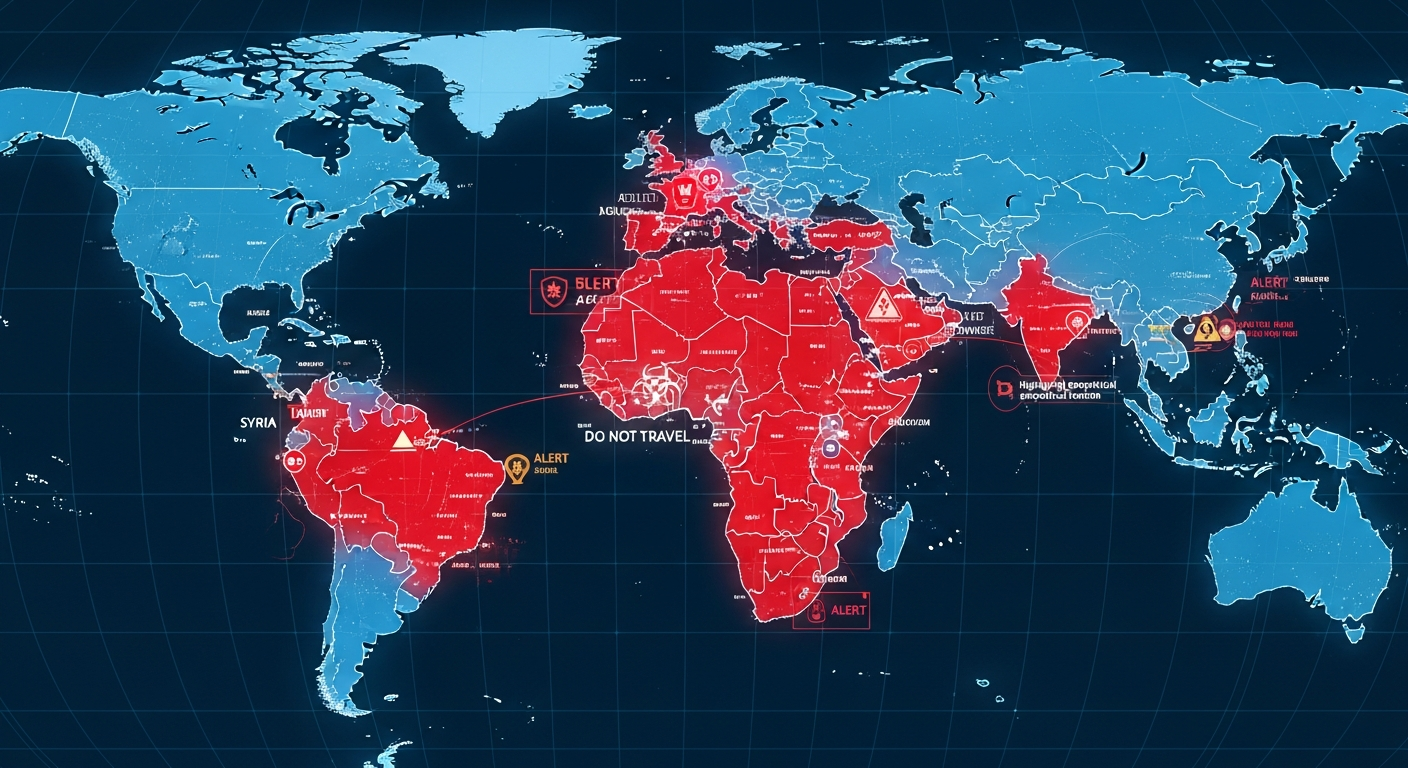
Travel advisories typically follow a four-level scale, with Level 4 being the highest. Each level communicates a different degree of risk:
- Level 1: Exercise Normal Precautions – Standard safety awareness.
- Level 2: Exercise Increased Caution – Be aware of heightened risks.
- Level 3: Reconsider Travel – Serious risks present, non-essential travel should be re-evaluated.
- Level 4: Do Not Travel – Life-threatening risks; avoid all travel.
This clear progression helps travelers quickly grasp the severity of potential dangers. A Level 4 warning is a stark indicator that authorities believe the risks are too great for safe travel.
Who Issues These Advisories?
Several prominent government bodies worldwide issue travel advisories for their citizens. While their wording might differ slightly, the core message for a Level 4 designation remains consistent: avoid travel due to extreme danger.
Key agencies include:
- U.S. Department of State: Provides detailed country-specific advisories, often updated frequently.
- UK Foreign, Commonwealth & Development Office (FCDO): Offers comprehensive travel advice for British nationals.
- Global Affairs Canada: Issues official travel advice and warnings for Canadians abroad.
- Australian Department of Foreign Affairs and Trade (DFAT): Provides Smartraveller advisories.
It is always best to consult your own country’s official advisory system, as their recommendations are tailored to their citizens’ specific consular support capabilities.
Current Global Landscape: Level 4 Countries in March 2026
While specific country designations can shift rapidly, the reasons for Level 4 advisories tend to fall into predictable categories. As of March 27, 2026, many of the countries under Level 4 advisories are likely experiencing one or more of these severe conditions. It is crucial for travelers to consult official government websites for the most current list, as situations can evolve overnight.
These advisories are a snapshot in time, reflecting ongoing crises. They serve as a critical tool for governments to protect their citizens by providing timely and accurate risk assessments. Being aware of the general types of threats helps in understanding the context of these warnings.
Common Reasons for Level 4 Designations
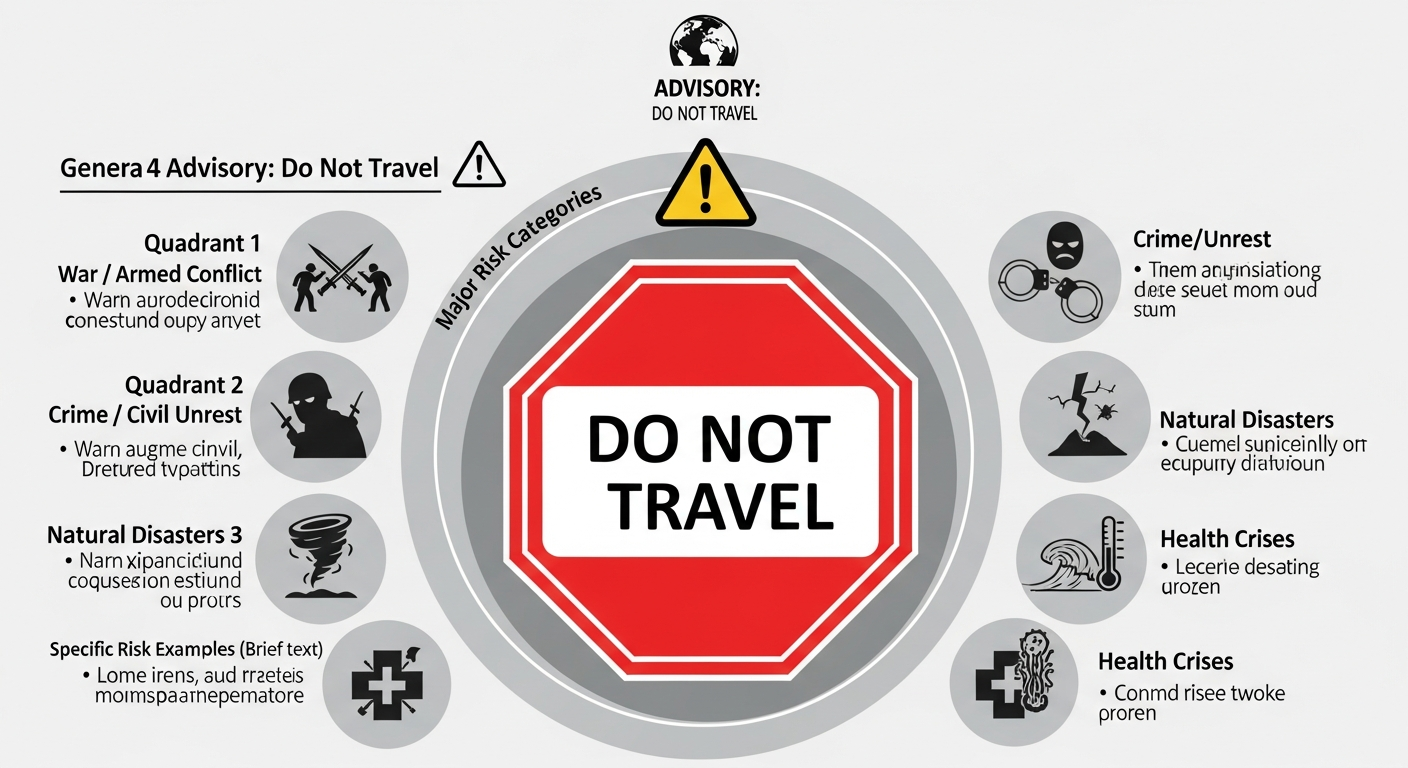
Level 4 advisories are typically issued due to an amalgamation of severe and widespread threats. These can include:
- War, Armed Conflict, or Civil Unrest: Active hostilities, terrorism, or widespread violence posing direct threats to civilians.
- Widespread Crime: Extremely high levels of violent crime, kidnapping, or extortion targeting foreigners.
- Health Risks: Outbreaks of deadly diseases, lack of adequate medical infrastructure, or severe environmental health hazards.
- Natural Disasters: Ongoing or recent catastrophic events like major earthquakes, tsunamis, or volcanic eruptions that render a region unsafe or inaccessible.
- Political Instability: Coups, widespread protests, or government collapse leading to unpredictable and dangerous conditions.
- Arbitrary Enforcement of Laws: Risk of unjust detention, legal issues, or discrimination against foreign nationals.
These conditions make it exceedingly difficult, if not impossible, for foreign governments to provide adequate consular assistance to their citizens. The risks are often pervasive, affecting all visitors regardless of their purpose of travel.
How to Find Up-to-Date Information
Reliable and current information is your best defense against unforeseen dangers. Always prioritize official government sources. Here’s where to look:
- U.S. Department of State – Travel.State.Gov: This website provides detailed, regularly updated advisories for every country.
- UK FCDO – Gov.uk/foreign-travel-advice: Comprehensive advice for British nationals, including safety and security, local laws, and entry requirements.
- Global Affairs Canada – Travel.gc.ca: Offers country-specific advice and emergency contact information.
- Australia Smartraveller – Smartraveller.gov.au: Provides official advice for Australians traveling overseas.
Additionally, consider registering your travel plans with your country’s embassy or consulate. This allows them to contact you in an emergency and provide assistance if necessary. This step is often called the Smart Traveler Enrollment Program (STEP) in the U.S. or similar programs in other countries.
The Realities of Traveling to a Level 4 Country
Deciding to travel to a Level 4 advisory country carries significant implications beyond personal safety. It affects everything from your travel insurance to the level of support you can expect from your government. Many travelers underestimate these practical challenges until they are faced with them.
Insurance Implications
Perhaps one of the most immediate and impactful consequences of a Level 4 advisory is its effect on travel insurance. Most standard travel insurance policies include clauses that render coverage null and void if you travel to a destination under a ‘Do Not Travel’ warning. This means:
- No Medical Coverage: Expenses for illness or injury may not be covered.
- No Trip Cancellation/Interruption: Financial losses from canceled flights or disrupted plans will likely not be reimbursed.
- No Evacuation Coverage: Emergency medical evacuation, which can cost hundreds of thousands of dollars, will typically not be covered.
Specialized ‘high-risk’ travel insurance or ‘war zone’ insurance policies do exist but are significantly more expensive and have strict eligibility requirements. They often come with very specific limitations and may not cover all eventualities. Always read the fine print and speak directly with an insurance provider about Level 4 coverage.
Consular Services Limitations
When a country is under a Level 4 advisory, your government’s ability to provide consular services is severely limited, if not entirely suspended. Embassies and consulates may operate with reduced staff, or in extreme cases, be completely evacuated. This means:
- Limited Emergency Assistance: Aid for lost passports, arrests, or medical emergencies may be delayed or unavailable.
- No Evacuation Support: Your government may not be able to arrange or pay for your evacuation in a crisis.
- Reduced Communication Channels: Contacting officials might be difficult due to security concerns or operational restrictions.
In essence, you are largely on your own. Relying on your government for immediate help in a Level 4 country is a precarious position, as their primary concern will be the safety of their own staff.
Personal Safety Measures
Should you find yourself in a Level 4 advisory region for unavoidable reasons, extreme vigilance and meticulous planning are paramount. Your personal safety measures must be significantly elevated beyond typical travel precautions. Always assume a heightened risk environment.
Key strategies include:
- Low Profile: Avoid drawing attention to yourself. Dress modestly, avoid flashy items, and blend in as much as possible.
- Situational Awareness: Constantly observe your surroundings, notice exits, and be aware of potential threats. Trust your instincts.
- Secure Communications: Use encrypted communication apps. Have fully charged devices and backup power banks.
- Emergency Contacts: Carry physical copies of important phone numbers, including local emergency services, family, and embassy contacts.
- Movement Restrictions: Limit unnecessary movement, especially after dark. Stick to known safe areas, if any exist.
- Local Guidance: If possible, establish contact with trusted local residents or organizations who can provide real-time safety advice.
Making an Informed Decision: To Go or Not to Go?
The decision to travel to a Level 4 country is a profoundly personal one, often fraught with ethical, financial, and safety considerations. It requires a cold, hard assessment of risks versus potential rewards. For most, the answer will be a resounding ‘no.’ For others, due to critical work, family emergencies, or humanitarian aid, the decision might be unavoidable.
Essential Pre-Travel Checklist
If you absolutely must travel to a Level 4 country, a rigorous checklist is non-negotiable:
- Consult All Advisories: Check your government’s advisory and those of allied nations for a comprehensive view.
- Specialized Insurance: Secure high-risk travel insurance and confirm its validity for your destination and specific risks.
- Register Your Travel: Enroll in your country’s embassy registration program (e.g., STEP).
- Medical Check-up & Vaccinations: Ensure all necessary vaccinations are up-to-date and carry a sufficient supply of any prescription medications.
- Emergency Funds: Have access to significant emergency funds, as ATMs and banking services may be unreliable.
- Contingency Plan: Develop a detailed ‘what if’ plan for various scenarios: medical emergency, political unrest, natural disaster, arrest.
- Exit Strategy: Know your routes out of the country, including alternative transportation and border crossings.
- Digital Security: Secure your devices, back up important data, and consider a ‘burner’ phone for sensitive communications.
Alternative Destinations
For leisure travelers, or those whose business can be conducted remotely, the simplest and safest option is to choose an alternative destination. There are countless beautiful and safe places in the world that do not carry such extreme risks. Prioritize your well-being over a specific travel plan.
Consider destinations with Level 1 or 2 advisories that offer similar cultural experiences, business opportunities, or natural beauty. Researching alternatives can open up new, exciting possibilities that you might not have considered previously, all while ensuring your peace of mind.
| Feature | Traveling to Level 4 Country | Choosing an Alternative Destination |
| **Risk Level** | Extremely High (life-threatening) | Low to Moderate (normal precautions to increased caution) |
| **Insurance Cover** | Often void; requires specialized, expensive policies | Standard travel insurance policies typically valid |
| **Consular Support** | Severely limited or unavailable | Full range of consular services usually available |
| **Personal Safety** | Constant vigilance, high threat awareness, significant risk | General awareness, lower threat perception, manageable risk |
| **Peace of Mind** | Very low, constant stress and worry | High, enjoyable experience, reduced anxiety |
| **Flexibility** | Highly constrained by security, limited movement | High, freedom to explore and adapt plans |
| **Cost** | Potentially higher due to specialized insurance, security, unexpected expenses | Generally lower, more predictable expenses |
Staying Safe While Abroad: Best Practices
Even in countries with lower advisory levels, adopting smart travel practices enhances safety. However, in any region with elevated risk, these practices become absolutely essential. Proactive safety measures can significantly mitigate potential dangers and improve your ability to respond effectively in a crisis.
Communication Strategies
Maintaining reliable communication channels is vital for your safety and for keeping loved ones informed. This is especially true in areas with unstable infrastructure or security concerns.
- Regular Check-ins: Establish a clear schedule for checking in with family or a designated contact person. Stick to it rigorously.
- Multiple Communication Methods: Don’t rely on a single app or network. Have a satellite phone, a local SIM card, and a reliable international roaming plan as backups.
- Pre-arranged Signals: Agree on specific words or phrases that indicate an emergency without alerting others.
- Emergency Contact List: Keep a physical and digital list of emergency contacts, including local police, medical services, and your embassy.
Emergency Preparedness
No one plans for an emergency, but everyone should prepare for one. In high-risk environments, this preparation can be the difference between safety and severe complications. Think through various scenarios and how you would react.
- Go-Bag Ready: Always have a small bag packed with essentials: passport, cash, medications, first-aid kit, water, non-perishable food, and a fully charged power bank.
- Local Knowledge: Learn basic phrases in the local language, especially those related to emergencies. Understand local customs and laws to avoid unintentional offenses.
- Safe Havens: Identify potential safe havens or evacuation points in advance, such as friendly embassies, international hotels, or secure compounds.
- Medical Information: Carry a summary of your medical history, allergies, and blood type, translated into the local language if possible.
# Steps for Emergency Contact
- Identify Your Embassy/Consulate: Know its location and contact details. Store them in multiple places.
- Register Your Trip: Use your government’s traveler registration program.
- Share Itinerary: Provide your detailed itinerary to a trusted person back home.
- Local Emergency Numbers: Memorize or clearly list local police, fire, and ambulance numbers.
- Offline Maps: Download maps of your destination for offline use in case of internet outage.
“The most effective form of travel safety is prevention through meticulous research and preparation. When advisories are high, the best prevention is often simply not to go.” – *Dr. Anya Sharma, Geopolitical Risk Analyst*
The Future of Travel Advisories and Global Health
The landscape of global travel advisories is constantly evolving, shaped by geopolitical shifts, climate change, and emerging health crises. The experiences of recent years have highlighted the interconnectedness of nations and the swiftness with which travel norms can change. Looking ahead to March 2026, we can anticipate continued adaptation in how advisories are issued and interpreted.
Governments and international organizations are continuously refining their methods for assessing and communicating risks. This includes leveraging new technologies and data analytics to provide more granular and real-time information to travelers. The goal is always to balance individual freedom of movement with the imperative of citizen safety.
Adapting to New Challenges
The nature of global threats is becoming more complex. Beyond traditional concerns like conflict and crime, new challenges are emerging:
- Cybersecurity Risks: Increased threats of digital espionage and cybercrime targeting travelers.
- Climate-Related Disasters: More frequent and intense weather events demanding rapid advisory updates and evacuation plans.
- Hybrid Threats: A combination of conventional and unconventional tactics, making risk assessment more challenging.
Travelers must also adapt, becoming more resilient and resourceful. This involves not just following advisories but also developing a personal capacity for risk assessment and self-reliance. Education and awareness will be key components of safe travel in the future.
The Role of Technology
Technology plays an increasingly vital role in both the issuance and consumption of travel advisories. Mobile apps, real-time alert systems, and AI-driven risk assessments are becoming standard tools. Travelers can now receive instant notifications, access offline maps, and communicate securely from almost anywhere.
However, technology is a tool, not a substitute for critical thinking. While apps can provide data, human judgment and an understanding of local context remain indispensable. The future will likely see a blend of advanced technology and human expertise guiding travel decisions, making information more accessible but also requiring greater discernment from travelers.
Conclusion
Navigating Level 4 travel advisories is a serious undertaking that demands careful consideration, comprehensive research, and a commitment to personal safety. As of March 27, 2026, the guidance to ‘Do Not Travel’ to designated high-risk countries remains the strongest recommendation from governments worldwide. These warnings are in place to protect lives and prevent travelers from encountering severe, life-threatening dangers.
While the allure of adventure or the necessity of certain missions can be compelling, the risks associated with Level 4 destinations are often too great. Prioritizing safety, understanding the limitations of support, and making informed decisions are paramount. Always consult official sources, prepare meticulously, and remember that sometimes the safest journey is the one not taken.
Frequently Asked Questions (FAQ)
Q1: What does a Level 4 ‘Do Not Travel’ advisory mean for my passport validity?
A Level 4 advisory does not directly affect the validity of your passport. Your passport remains valid for travel. However, it signifies that your government strongly advises against using it to enter the designated country due to extreme risks. While your passport is valid, traveling there is at your own peril and could lead to issues with insurance, consular assistance, or even re-entry into your home country if deemed irresponsible.
Q2: Can I still get a visa for a Level 4 advisory country?
It depends on the specific country and the nature of the advisory. Some countries may still issue visas, especially for essential travel, diplomatic missions, or humanitarian aid workers. However, obtaining a visa does not negate the Level 4 advisory or its associated risks. It’s crucial to understand that even with a valid visa, your government’s ‘Do Not Travel’ warning remains in effect, and the risks are unchanged.
Q3: Will my employer send me to a Level 4 country?
Reputable employers typically have strict policies against sending employees to Level 4 advisory countries due to the extreme risks and liability concerns. If your job requires travel to such an area, your employer should have comprehensive risk management protocols, specialized insurance, and robust security measures in place. It’s important to discuss safety concerns and company policies with your employer before accepting such an assignment.
Q4: How often do travel advisories change?
Travel advisories can change very frequently, sometimes within hours or days, depending on evolving geopolitical situations, natural disasters, or health crises. It is essential to check official government travel advisory websites regularly, not just before your trip but also during your travels, to stay updated on any changes that might affect your safety or travel plans.
Q5: What should I do if my home country issues a Level 4 advisory while I am already there?
If a Level 4 advisory is issued while you are already in the country, you should immediately contact your embassy or consulate for guidance. They may provide information on evacuation options or specific safety instructions. Prioritize your safety, follow local authority directives, and make plans to depart as soon as it is safe and feasible to do so. Inform your family or emergency contacts about your situation and plans.