Your Ultimate Guide to Finding the Perfect Travel Guide Person
Travel is an amazing journey, full of new sights, sounds, and tastes. But sometimes, planning a trip can feel overwhelming. You might wonder how to find hidden gems, truly understand local culture, or simply navigate a new place without stress. This is where a “travel guide person” steps in. More than just a tour leader, a personal travel guide offers a unique way to explore the world. They bring destinations to life, sharing their deep knowledge and passion. Imagine visiting a historical site and having someone explain its secrets, or finding the best local eatery that only residents know. A great travel guide can turn a good trip into an unforgettable adventure, making sure you experience the very best of your chosen destination. They handle the details, allowing you to relax and soak it all in.
Key Takeaways
- A personal travel guide offers deep local insights and unique experiences beyond typical tourist paths.
- Guides provide safety, convenience, and stress-free navigation in unfamiliar destinations.
- Choosing the right guide involves checking qualifications, reviews, and ensuring a good personality match.
- Different types of guides cater to various travel styles, from adventure to cultural immersion.
- Utilizing a guide can significantly enhance your travel experience, making it more authentic and memorable.
Understanding the Role of a Travel Guide Person
What Exactly Does a Travel Guide Do?
A travel guide person is much more than someone who points out landmarks. They are experts in their local area, often with years of experience and training. Their main job is to enrich your travel experience. They share stories, history, and cultural facts that you might never find in a guidebook. Think of them as your personal cultural ambassador. They help you connect with the place you are visiting on a deeper level.
They also handle practical aspects. This includes navigating complex public transport, booking tickets, or even translating when needed. They ensure your trip runs smoothly, reducing any potential stress or confusion. Their presence allows you to focus purely on enjoying your adventure.
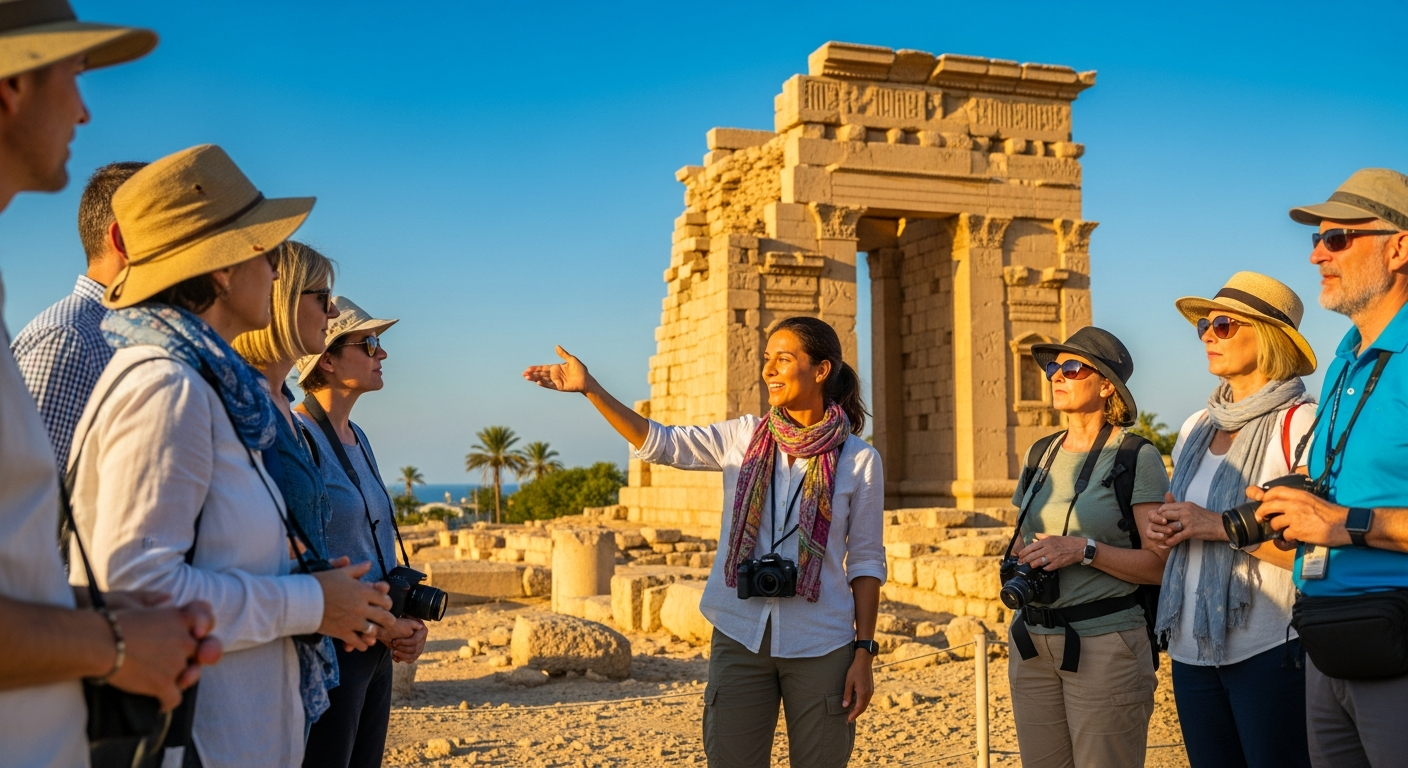
As travel writer Rick Steves often says, “Travel is intensified living, and no one can intensify it like a good guide.” This highlights how a guide can deepen your experience beyond what you could achieve alone.
Beyond the Tour Bus: The Personal Touch
While large tour groups have their place, a personal travel guide offers a tailored experience. They can adapt the itinerary to your interests, pace, and preferences. If you love food, they might take you on a culinary journey. If history is your passion, they can dive deep into ancient tales. This flexibility is a major benefit.
They also provide a sense of security and comfort. Traveling in a new country can sometimes feel daunting. A knowledgeable local guide can make you feel at ease. They are there to answer questions, solve problems, and ensure your safety throughout your journey.
Why Hire a Personal Travel Guide? The Benefits Unpacked
Access to Local Secrets and Hidden Gems
One of the biggest advantages of a personal guide is their local knowledge. They know the best spots that aren’t in guidebooks. This could be a tiny, authentic restaurant, a breathtaking viewpoint, or a charming local market. They can introduce you to experiences that truly reflect the local way of life.
Imagine walking through a bustling city and having a guide tell you the history of each street corner. Or exploring a national park and learning about its unique flora and fauna from an expert. These insights make your trip richer and more meaningful.
Enhanced Safety and Peace of Mind
Safety is a top concern for many travelers. A local guide knows which areas to avoid and how to navigate safely. They are aware of local customs and etiquette, helping you avoid cultural misunderstandings. This is especially valuable in countries where language barriers are significant.
Having a guide means someone is always looking out for you. In case of an emergency, they can provide immediate assistance and connections to local services. This peace of mind allows you to relax and enjoy your trip without constant worry.
Time-Saving and Stress Reduction
Planning a trip can consume a lot of time. Researching attractions, transport, and restaurants takes effort. A personal guide takes all this burden off your shoulders. They pre-plan the itinerary, book necessary tickets, and arrange transportation.
This means less time spent stressing over logistics and more time enjoying your vacation. You simply show up, and your adventure unfolds seamlessly. It’s like having a personal assistant dedicated to your travel enjoyment.
Types of Travel Guides: Finding Your Perfect Match
Local Experts vs. Specialized Guides
Local experts are generalists who know their region inside out. They can cover a wide range of topics, from history to food. They are great for travelers who want a broad overview and diverse experiences.
Specialized guides focus on a niche. This could be birdwatching, hiking, photography, or even culinary tours. If you have a specific interest, a specialized guide can offer deep expertise and tailor the trip to your passion.
Adventure Guides, Cultural Guides, and City Guides
- Adventure Guides: Perfect for thrill-seekers. They lead treks, safaris, diving expeditions, or climbing trips. They ensure safety in challenging environments and share knowledge about nature.
- Cultural Guides: Ideal for those who want to immerse themselves in local traditions. They might take you to traditional ceremonies, explain local art, or teach you about historical events.
- City Guides: Experts in urban exploration. They know the best neighborhoods, historical sites, shopping districts, and dining spots in a city. They can help you navigate complex urban landscapes with ease.
How to Choose the Right Travel Guide Person
Key Factors to Consider
When looking for a guide, several things matter. First, consider their experience and qualifications. Are they certified? How long have they been guiding? Do they have specific training relevant to your trip?
Next, think about their personality and communication style. You’ll be spending a lot of time with this person. Do their reviews mention them being friendly, engaging, and easy to understand?
Finally, cost and services offered are important. What’s included in their fee? Are there any hidden costs? Make sure their services align with your budget and expectations.
Where to Find Reputable Guides
- Online Platforms: Websites like GetYourGuide, Viator, or local tour operator sites are great starting points. They often have reviews and detailed profiles.
- Local Tourism Boards: These organizations can often recommend certified guides in their area.
- Word of Mouth: Ask friends, family, or travel communities for recommendations. Personal referrals are often the most reliable.
- Hotels and Resorts: High-end accommodations often have trusted guides they work with.
Making the Most of Your Guided Experience
Before Your Trip: Setting Expectations
Communicate clearly with your guide before the trip. Share your interests, what you hope to see, and your preferred pace. Are you an early riser or do you prefer a leisurely start? Do you have any dietary restrictions or physical limitations?
Confirm the itinerary, meeting points, and what’s included in the price. Being clear upfront helps avoid misunderstandings and ensures a smoother experience.
During Your Trip: Engaging and Learning
Don’t be afraid to ask questions. Your guide is a walking encyclopedia of local knowledge. The more you engage, the more you’ll learn.
Be open to new experiences. Sometimes the best moments come from unexpected detours or recommendations from your guide.
Provide feedback respectfully. If something isn’t working for you, kindly let your guide know so they can adjust. Remember, they want you to have a great time.
After Your Trip: Showing Appreciation
Consider leaving a tip if you received excellent service. Tipping customs vary by country, so do a quick search beforehand.
Leave a positive review online. This helps other travelers find great guides and supports your guide’s business.
Share your experience with others. Your story might inspire someone else to hire a travel guide.
Travel Guide vs. Self-Guided Travel: A Comparison
| Feature | Personal Travel Guide | Self-Guided Travel |
| **Local Insight** | Deep, immediate, personalized cultural and historical context. | Requires extensive research, may miss nuances. |
| **Convenience** | All logistics handled (transport, tickets, bookings). | Requires personal planning, booking, and navigation. |
| **Flexibility** | Highly adaptable itinerary to personal interests. | Complete freedom to change plans on the fly. |
| **Safety** | Enhanced safety, local knowledge of safe areas and customs. | Relies on personal vigilance and research. |
| **Cost** | Generally higher upfront cost due to personalized service. | Can be more budget-friendly, but hidden costs possible. |
| **Time Savings** | Significant time saved on planning and navigation. | Time-consuming planning and problem-solving. |
| **Authenticity** | Access to hidden gems and local experiences. | May stick to popular tourist routes without deep research. |
| **Language Barrier** | Guide often acts as translator, bridging gaps. | Relies on apps, phrasebooks, or basic language skills. |
The Future of Guided Travel: Technology and Trends
Virtual Guides and AI Integration
Technology is changing how we travel. While a human guide offers an irreplaceable personal touch, virtual guides and AI are emerging. Apps can now provide audio tours, translate in real-time, and suggest itineraries. This can complement a human guide or offer an alternative for budget travelers.
However, the human element—the ability to adapt, tell a story, and build a connection—remains vital. AI can provide information, but it can’t share a personal anecdote or react to an unexpected situation with human empathy.
Sustainable and Ethical Tourism
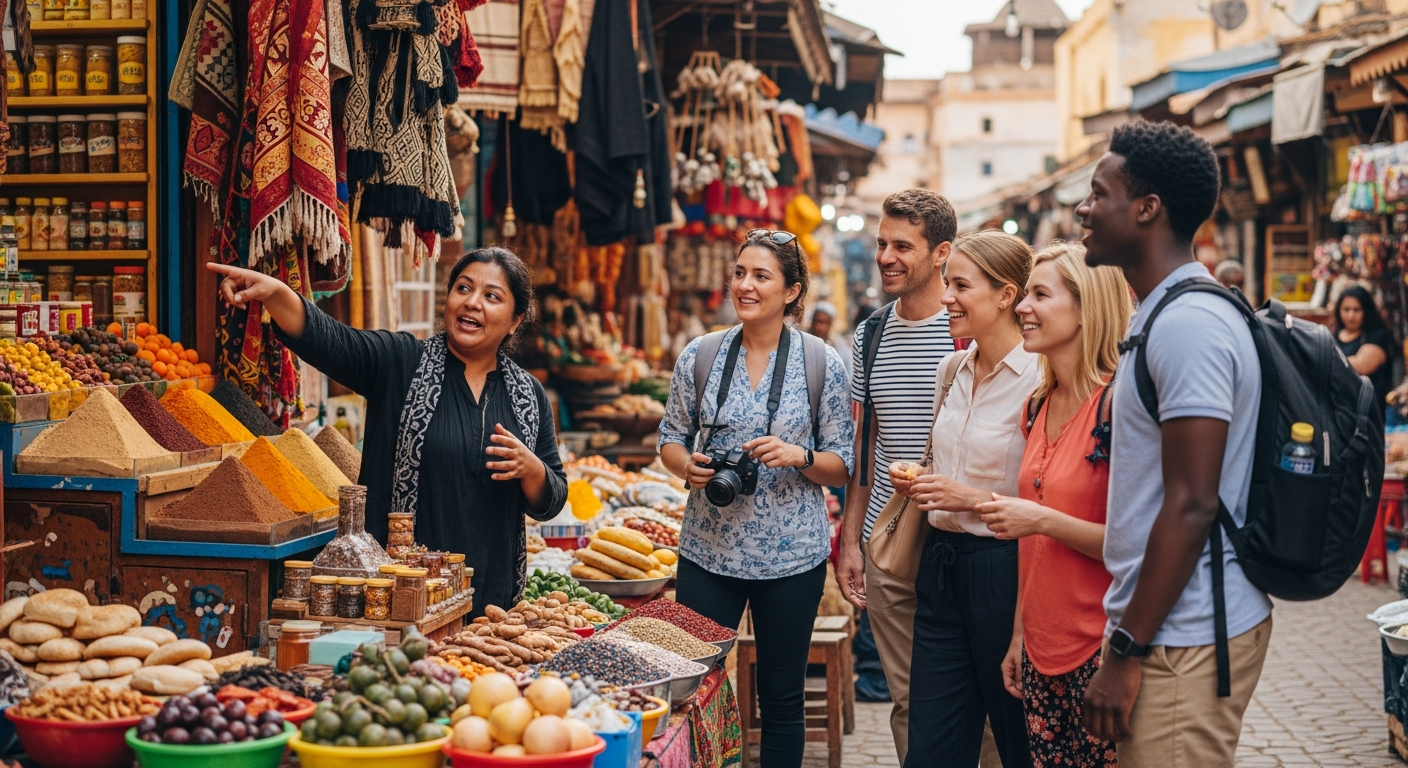
Many modern travel guides are focusing on sustainable tourism. They promote practices that protect the environment and support local communities. This includes choosing eco-friendly transport, supporting local businesses, and respecting cultural sites.
Ethical guides ensure that tourism benefits the local population directly. They might take you to community-run projects or introduce you to local artisans. This approach makes your travel more responsible and impactful.
Conclusion
Hiring a travel guide person can truly elevate your travel experiences. From unlocking local secrets and ensuring your safety to saving you valuable time and stress, their expertise is invaluable. Whether you’re a first-time traveler or a seasoned explorer, a personal guide offers a deeper, more authentic connection to your destination. By carefully choosing the right guide and communicating your needs, you can transform a simple trip into an extraordinary adventure filled with rich memories and genuine understanding. Embrace the personalized journey and let a local expert guide you to the heart of your next destination.
Frequently Asked Questions (FAQ)
- Q: Is a travel guide person expensive?
- A: The cost of a travel guide varies widely based on location, experience, and the length of the tour. While it’s an added expense compared to self-guided travel, many find the value in local insights, convenience, and peace of mind to be well worth the investment. Prices can range from hourly rates for city tours to daily rates for multi-day excursions.
- Q: How far in advance should I book a travel guide?
- A: It’s generally a good idea to book your travel guide as far in advance as possible, especially if you’re traveling during peak season or to a popular destination. Popular guides can be booked months ahead. For less busy times or locations, a few weeks in advance might be sufficient.
- Q: Can a travel guide help with visa requirements or international travel documents?
- A: While a travel guide’s primary role is to lead tours and provide local insights, they are typically not experts in visa requirements or international travel documentation. It’s best to consult official government websites or a specialized travel agent for these specific needs. However, they might offer general advice based on their experience.
- Q: What if I don’t speak the local language?
- A: This is where a travel guide truly shines! Many guides are multilingual and can act as your personal translator. They can help you communicate with locals, order food, and navigate situations where a language barrier might otherwise be a challenge, making your trip much smoother.
- Q: Are travel guides only for group tours?
- A: Not at all! While guides often lead group tours, many specialize in private, personalized tours for individuals, couples, or families. This allows for a highly customized experience tailored to your specific interests and pace, offering more flexibility than a standard group tour.