New Zealand Unlocked: Your Ultimate Travel Guides NZ Adventure
New Zealand, often called Aotearoa – the Land of the Long White Cloud – is a dream destination for many. This island nation in the southwestern Pacific Ocean is famous for its stunning natural beauty. From majestic fjords and towering mountains to pristine beaches and lush forests, New Zealand offers an incredible variety of landscapes.
Planning a trip to such a diverse country can feel overwhelming. That’s where excellent travel guides NZ become your best friend. They help you navigate the choices, uncover hidden gems, and make the most of your adventure. Whether you are looking for thrill-seeking activities or peaceful natural escapes, the right guidance makes all the difference.
This comprehensive guide will equip you with all the knowledge you need. We will cover everything from crafting your perfect itinerary to understanding local customs. Get ready to explore the North Island’s geothermal wonders and the South Island’s dramatic scenery. Your unforgettable New Zealand journey starts here, with expert advice at your fingertips.
Key Takeaways for Your NZ Journey
- Plan Ahead: New Zealand is popular. Book flights, accommodation, and popular activities well in advance, especially during peak season.
- Embrace Both Islands: Each island offers unique experiences. Try to dedicate time to both the North and South Islands for a complete adventure.
- Budget Wisely: New Zealand can be expensive. Factor in transport, activities, food, and accommodation. Look for deals and consider self-catering options.
- Respect Nature and Culture: New Zealand’s natural environment is precious. Follow Leave No Trace principles. Learn about and respect Māori culture, which is central to the country’s identity.
- Flexibility is Key: While planning is important, be ready to adapt to weather changes or unexpected discoveries. Some of the best memories are made spontaneously.
Why You Need Essential Travel Guides NZ
Having reliable travel guides for New Zealand is crucial. They help you make informed decisions, save time, and avoid common travel pitfalls. A good guide offers more than just maps; it provides insights into local culture, recommended experiences, and practical advice on everything from driving rules to dining etiquette.
Think of a travel guide as your personal expert, helping you tailor a trip that fits your interests and budget. It can point you to the best hiking trails, the most authentic cultural experiences, or the tastiest local eateries. Without one, you might miss out on some of New Zealand’s most incredible offerings.
Navigating the North Island
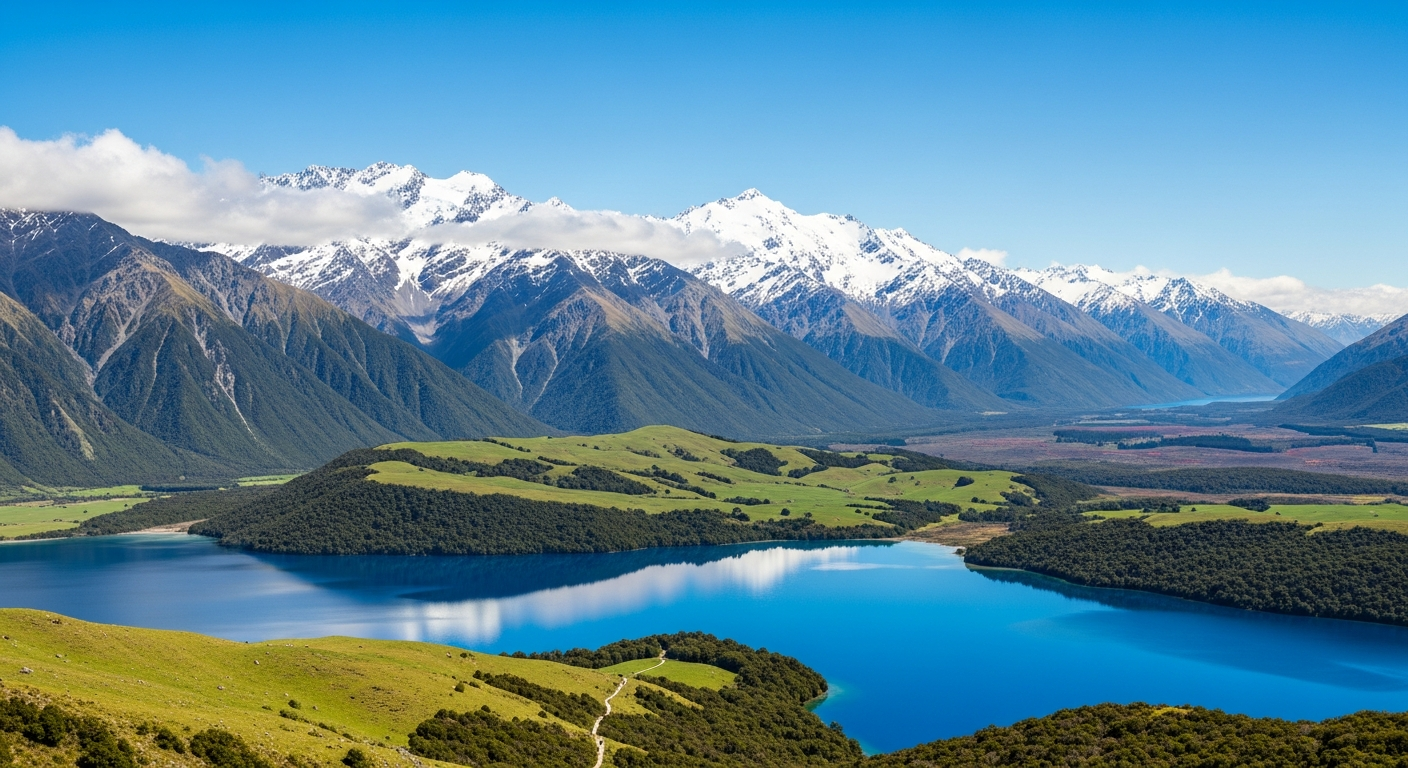
The North Island is known for its volcanic landscapes, geothermal activity, and vibrant Māori culture. Cities like Auckland and Wellington offer rich urban experiences. The Bay of Islands boasts stunning coastlines and historical sites. Rotorua is a hub for geothermal wonders and cultural performances.
Travel guides NZ focused on the North Island will highlight places like Waitomo Caves with its glowworms, the majestic Tongariro National Park, and the beautiful beaches of Coromandel Peninsula. They help you connect the dots between these diverse locations, suggesting efficient routes and must-do activities.
Exploring the South Island
The South Island is often praised for its dramatic scenery and adventure opportunities. Queenstown, the ‘adventure capital,’ offers bungee jumping, skydiving, and jet boating. Fiordland National Park, home to Milford Sound and Doubtful Sound, presents breathtaking fjords and waterfalls.
Detailed travel guides will lead you through the Southern Alps, past Franz Josef and Fox Glaciers, and along the stunning West Coast. They are essential for planning drives along scenic routes like the Haast Pass or exploring the vineyards of Marlborough. The South Island’s vastness makes good planning indispensable.
Planning Your Perfect New Zealand Itinerary
Crafting an itinerary is one of the most exciting parts of trip planning. It helps you balance travel time with experiences. A well-planned route ensures you see what truly interests you without feeling rushed.
Consider what kind of traveler you are. Are you seeking adrenaline-pumping adventures, serene nature escapes, cultural immersion, or a mix of everything? Your preferences will shape your ideal route through New Zealand.
How Much Time Do You Need?
To truly experience New Zealand, most experts recommend at least two to three weeks. This allows you to visit both the North and South Islands without feeling too rushed. If you only have one week, it’s best to focus on just one island or a specific region.
- One Week: Focus on Auckland and Rotorua (North Island) OR Queenstown and Milford Sound (South Island).
- Two Weeks: A good mix of highlights from both islands, perhaps flying between Auckland and Queenstown to save time.
- Three+ Weeks: Allows for a more in-depth exploration, including less-visited areas, multiple hikes, and a slower pace.
Must-See Destinations for First-Timers
- North Island:
- Auckland: The ‘City of Sails,’ with its vibrant harbor and diverse culture.
- Rotorua: Geothermal wonderland, Māori culture, and adventure activities.
- Waitomo Caves: Famous for its stunning glowworm grottoes.
- Wellington: New Zealand’s capital, known for its arts, culture, and culinary scene.
- Tongariro National Park: Home to the Tongariro Alpine Crossing, one of the world’s best day hikes.
- South Island:
- Queenstown: The adventure capital, offering bungee jumping, jet boating, and skiing.
- Milford Sound: A majestic fjord, often called the ‘Eighth Wonder of the World.’
- Wanaka: A beautiful lake town, perfect for hiking and relaxation.
- Franz Josef & Fox Glaciers: Impressive ice formations accessible for guided walks.
- Christchurch: The ‘Garden City,’ rebuilding with resilience and creativity.
Crafting a Budget-Friendly Trip
New Zealand can be costly, but smart planning helps. Accommodation, transport, and activities are the main expenses. Eating out frequently can add up, so consider self-catering where possible.
Look for free activities like hiking, visiting national parks, and enjoying the beaches. Many museums, like Te Papa in Wellington, offer free entry. Discount passes for activities can also save money if you plan to do many paid excursions.
| Budget Category | Backpacking (NZD per day) | Mid-Range (NZD per day) | Luxury (NZD per day) |
| **Accommodation** | $30 – $60 (Hostel Dorm) | $100 – $250 (Motel/Hotel) | $300+ (Boutique/Resort) |
| **Food & Drink** | $40 – $70 (Groceries/Cafes) | $80 – $150 (Restaurants) | $150+ (Fine Dining) |
| **Transport** | $20 – $50 (Bus/Hitchhike) | $50 – $100 (Rental Car) | $100+ (Private Transfer) |
| **Activities** | $30 – $70 (Free/Low Cost) | $80 – $200 (Guided Tours) | $200+ (Exclusive Experiences) |
| **Total Estimate** | **$120 – $250** | **$310 – $700** | **$750+** |
Note: These are estimates and can vary greatly based on travel style and season.
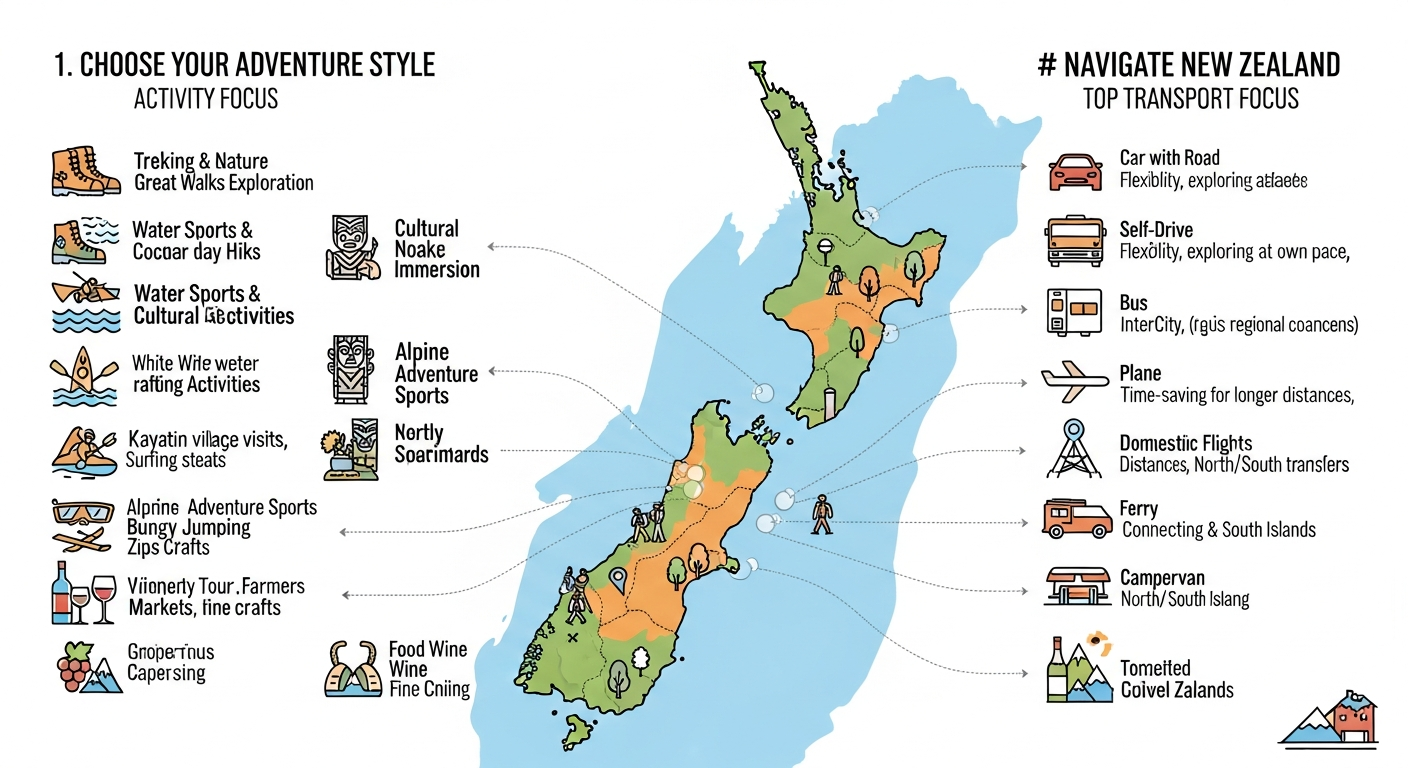
Getting Around: Transport Options in Aotearoa
New Zealand’s diverse landscapes mean diverse transport needs. Deciding how to get around is a key part of your travel guides NZ planning. Each option has its pros and cons, from freedom to cost.
Consider the length of your trip, your budget, and how much flexibility you desire. For shorter trips focusing on specific cities, public transport might suffice. For exploring remote areas, a rental car is often best.
Self-Driving Adventures
Driving is one of the most popular ways to explore New Zealand. It offers incredible freedom to stop at scenic viewpoints, discover small towns, and follow your own schedule. Roads are generally well-maintained, but some can be winding, especially in the mountains.
- Rental Cars: Available at all major airports and cities. Book in advance, especially for campervans, which are very popular.
- Campervans/Motorhomes: Offer accommodation and transport in one. Great for budget travelers and those who love camping. Freedom camping rules apply in designated areas.
- Driving Rules: Drive on the left side of the road. Speed limits are strictly enforced. Be aware of one-lane bridges and watch out for livestock on rural roads. Always check road conditions, especially in winter.
Public Transport and Tour Buses
While not as extensive as in some other countries, New Zealand does have public transport options. For longer distances, intercity bus services are reliable and cost-effective.
- Intercity Buses: Companies like InterCity connect most major towns and tourist destinations. They are a good option if you prefer not to drive or are on a tighter budget.
- Trains: Scenic train journeys like the TranzAlpine (Christchurch to Greymouth) offer breathtaking views but cover limited routes.
- Domestic Flights: For covering long distances quickly, domestic flights between major cities (Auckland, Wellington, Christchurch, Queenstown) can save valuable time, especially if you have a shorter trip.
Accommodation and Dining: Where to Stay and Eat
Accommodation in New Zealand ranges from basic campsites to luxurious resorts. Your choice will depend heavily on your budget and desired comfort level. Dining also offers a spectrum, from self-catering to fine dining experiences.
From Hostels to Luxury Lodges
New Zealand caters to all types of travelers when it comes to places to stay.
- Hostels: Affordable and social, perfect for backpackers. Many offer private rooms too.
- Motels: Common throughout NZ, offering self-contained units with kitchenettes, ideal for families or longer stays.
- Hotels: Range from budget chains to high-end luxury hotels in cities and popular tourist spots.
- Holiday Parks/Campsites: Great for campervan travelers or those with tents. They often have good facilities like kitchens and showers.
- Boutique B&Bs and Lodges: Offer unique, personalized experiences, often in stunning locations.
Savoring Local Flavors
New Zealand’s food scene is fresh, diverse, and heavily influenced by its natural environment. Eating is a highlight of any travel guides NZ experience.
- Seafood: Fresh fish, green-lipped mussels, and Bluff oysters are must-tries.
- Lamb and Beef: High-quality, often grass-fed meats are a staple.
- Hāngī: A traditional Māori method of cooking food in an earth oven. A unique cultural and culinary experience, often found in Rotorua.
- Pavlova: A classic dessert, light and airy with fresh fruit.
- Flat White: New Zealand’s famous coffee creation, a must-try for coffee lovers.
- Wine: World-renowned Sauvignon Blanc from Marlborough and Pinot Noir from Central Otago are exceptional.
Activities and Experiences: Beyond the Postcard
New Zealand is a playground for all interests. From heart-pounding adventures to tranquil nature walks and deep cultural dives, there’s something for everyone. Effective travel guides NZ will help you choose activities that match your energy levels and passions.
Thrills and Adventure Sports
New Zealand is the birthplace of commercial bungee jumping and continues to be an adventure hub. Queenstown is particularly famous for its adrenaline-fueled activities.
- Bungee Jumping & Skydiving: Experience incredible views while free-falling.
- Jet Boating: High-speed rides through narrow canyons.
- White Water Rafting: Tackle rapids on scenic rivers.
- Ziplining & Canyoning: Explore forests and gorges from new perspectives.
- Skiing & Snowboarding: World-class slopes during winter months, especially in the South Island.
Cultural Immersion and Māori Experiences
The rich culture of the Māori people is a fundamental part of New Zealand’s identity. Engaging with it offers a deeper understanding of the country.
- Māori Cultural Performances: Witness traditional dances (haka), songs, and storytelling.
- Marae Visits: Some tours offer the chance to visit a marae (Māori meeting ground) and learn about customs.
- Museums and Art Galleries: Explore the history and art of Māori and Pākehā (European New Zealanders).
- Wood Carving and Weaving: Observe or even participate in traditional crafts.
Nature Walks and Hikes
New Zealand boasts some of the world’s most beautiful hiking trails, known as ‘tramps.’ These range from short, easy strolls to multi-day challenging treks.
- Tongariro Alpine Crossing: A challenging but rewarding day hike through volcanic landscapes.
- Hooker Valley Track (Mount Cook): An easier, stunning walk with views of Aoraki/Mount Cook.
- Routeburn Track: One of New Zealand’s Great Walks, a multi-day journey through mountains and valleys.
- Milford Track: Another iconic Great Walk, often called
…often called ‘the finest walk in the world,’ offering spectacular fiords, rainforests, and waterfalls.
- Abel Tasman Coast Track: A coastal Great Walk known for its golden beaches and turquoise waters, perfect for kayaking and walking.
- Fiordland National Park: Besides the Milford and Routeburn Tracks, explore numerous shorter walks offering incredible views of glaciers, mountains, and ancient forests.
Wildlife Encounters and Scenic Cruises
New Zealand’s isolation has led to unique flora and fauna, much of which is endemic. Experiencing this wildlife in its natural habitat is a memorable part of any trip.
- Doubtful and Milford Sounds Cruises: Explore the majestic fiords, spotting seals, dolphins, and penguins. Overnight cruises are also available for an immersive experience.
- Whale Watching (Kaikoura): Encounter giant sperm whales, dolphins, and albatrosses off the coast of Kaikoura.
- Kiwi Sanctuaries: Visit protected areas or nocturnal houses to catch a glimpse of New Zealand’s elusive national bird.
- Yellow-eyed Penguins (Otago Peninsula): Observe these rare penguins returning to shore at dusk.
Relaxation and Wellness
While adventure is a big draw, New Zealand also offers plenty of opportunities to unwind and rejuvenate.
- Hot Pools and Spas: Relax in natural thermal pools, particularly in Rotorua and Hanmer Springs.
- Beach Escapes: Enjoy the beautiful beaches of the Coromandel Peninsula, Northland, or Abel Tasman.
- Wine Tasting Tours: Spend a leisurely day visiting vineyards in Marlborough, Hawke’s Bay, or Central Otago.
Practical Tips for Your New Zealand Adventure
To ensure a smooth and enjoyable trip, keep these practical points in mind.
- Visa Requirements: Check if you need a visa or an NZeTA (New Zealand Electronic Travel Authority) before you travel.
- Travel Insurance: Always advisable for any international trip, covering medical emergencies, cancellations, and lost luggage.
- Currency: New Zealand Dollar (NZD). Credit cards are widely accepted, but it’s good to have some cash for smaller purchases or remote areas.
- Power Plugs: Type I (three flat pins), 230V.
- Time Zone: New Zealand Standard Time (NZST) is UTC+12. Daylight Saving Time (NZDT) is UTC+13 from late September to early April.
- Respect the Environment: New Zealanders are proud of their clean, green image. Follow “Leave No Trace” principles, dispose of waste properly, and respect wildlife.
- Book in Advance: Especially for popular tours, accommodation, and inter-island ferries during peak season.
Conclusion
New Zealand truly is a land of unparalleled beauty and diverse experiences. From the adrenaline-pumping adventures of Queenstown to the serene beauty of its fiords, and from the rich tapestry of Māori culture to its world-class cuisine and wines, a journey through Aotearoa promises memories that will last a lifetime. Whether you’re seeking thrills, tranquility, or cultural enlightenment, these travel guides NZ aim to equip you with the knowledge to plan an unforgettable trip. Embrace the spirit of adventure, respect the land, and prepare to be captivated by the magic of New Zealand.
FAQ
Q: What is the best time of year to visit New Zealand?
A: Summer (December to February) is popular for outdoor activities and warmer weather. Spring (September to November) and Autumn (March to May) offer pleasant temperatures, fewer crowds, and beautiful scenery. Winter (June to August) is ideal for skiing and snowboarding in the South Island.
Q: Is New Zealand an expensive country to visit?
A: New Zealand can be moderately expensive, especially for accommodation and activities. However, budgeting options like hostels, camping, self-catering, and intercity buses can help manage costs. Flights are often the most significant expense for international travelers.
Q: Do I need to book activities and accommodation in advance?
A: Yes, especially during peak season (summer) and for popular tours (e.g., Milford Sound cruises, Hobbiton, Great Walks). Booking inter-island ferries and campervans well in advance is also highly recommended.
Q: What should I pack for a trip to New Zealand?
A: Layers are key due to changeable weather. Include waterproof and windproof outerwear, comfortable walking shoes, swimwear, sunscreen, insect repellent, and a hat. For hiking, appropriate gear is essential.
Q: Is it safe to travel alone in New Zealand?
A: New Zealand is generally a very safe country for solo travelers, including women. However, standard safety precautions should always be taken, especially when hiking in remote areas or at night in cities. Inform someone of your plans if heading into the wilderness.
Q: What are the must-see regions in New Zealand?
A: Popular regions include Auckland (city life, islands), Rotorua (Māori culture, geothermal activity), Wellington (capital, culture), Marlborough (wine), Queenstown (adventure), Fiordland (fiords), and Mount Cook (mountains). The North Island offers volcanic landscapes and cultural experiences, while the South Island is renowned for its dramatic scenery and adventure sports.