Smart Travel: Unlock Your Adventures with 3D Prints
Imagine a world where your travel gear is perfectly tailored to your needs, where a broken part on your camera can be fixed in minutes, or where forgotten essentials are no longer a crisis. This isn’t a futuristic dream; it’s the reality emerging thanks to travel 3D prints. This innovative technology is rapidly changing how we prepare for, experience, and even remember our adventures around the globe.
For too long, travelers have faced common frustrations. These include bulky luggage, the struggle to find specific replacement parts abroad, or the sheer cost of specialized equipment. Traditional manufacturing often means one-size-fits-all solutions, which rarely fit anyone perfectly. But with 3D printing, the power to create exactly what you need, when you need it, is now in your hands. It’s about making travel smarter, lighter, and truly personal.
This article will dive deep into how 3D printing is transforming the travel landscape. We will explore the practical applications, significant benefits, and the exciting future of this technology for every kind of explorer. Get ready to rethink your packing list and embrace a new era of personalized travel.
Key Takeaways for the Modern Traveler
- Personalized Gear: 3D printing allows for custom-fit and unique travel accessories tailored to individual needs and preferences.
- On-the-Go Solutions: Travelers can print replacement parts or forgotten items, reducing stress and reliance on external services.
- Reduced Luggage Weight: Creating lightweight, multi-functional items can significantly cut down on baggage and associated fees.
- Sustainable Practices: Printing only what’s needed minimizes waste and supports more eco-conscious travel habits.
- Cost-Effective Travel: DIY 3D prints can save money on specialized equipment, repairs, and last-minute purchases abroad.
Why 3D Prints are a Traveler’s Best Friend
Travel often comes with unexpected challenges. Whether it’s a forgotten adapter, a broken backpack buckle, or the need for a very specific tool, these small issues can quickly become big problems. This is where the magic of 3D printing truly shines. It offers practical, immediate solutions that traditional methods simply cannot match.
The Power of Personalization
Every traveler is unique, and so are their needs. Standard travel accessories rarely account for individual quirks or specialized gear. 3D printing empowers you to design or download models that fit your exact requirements. This level of customization ensures that your equipment works perfectly for you.
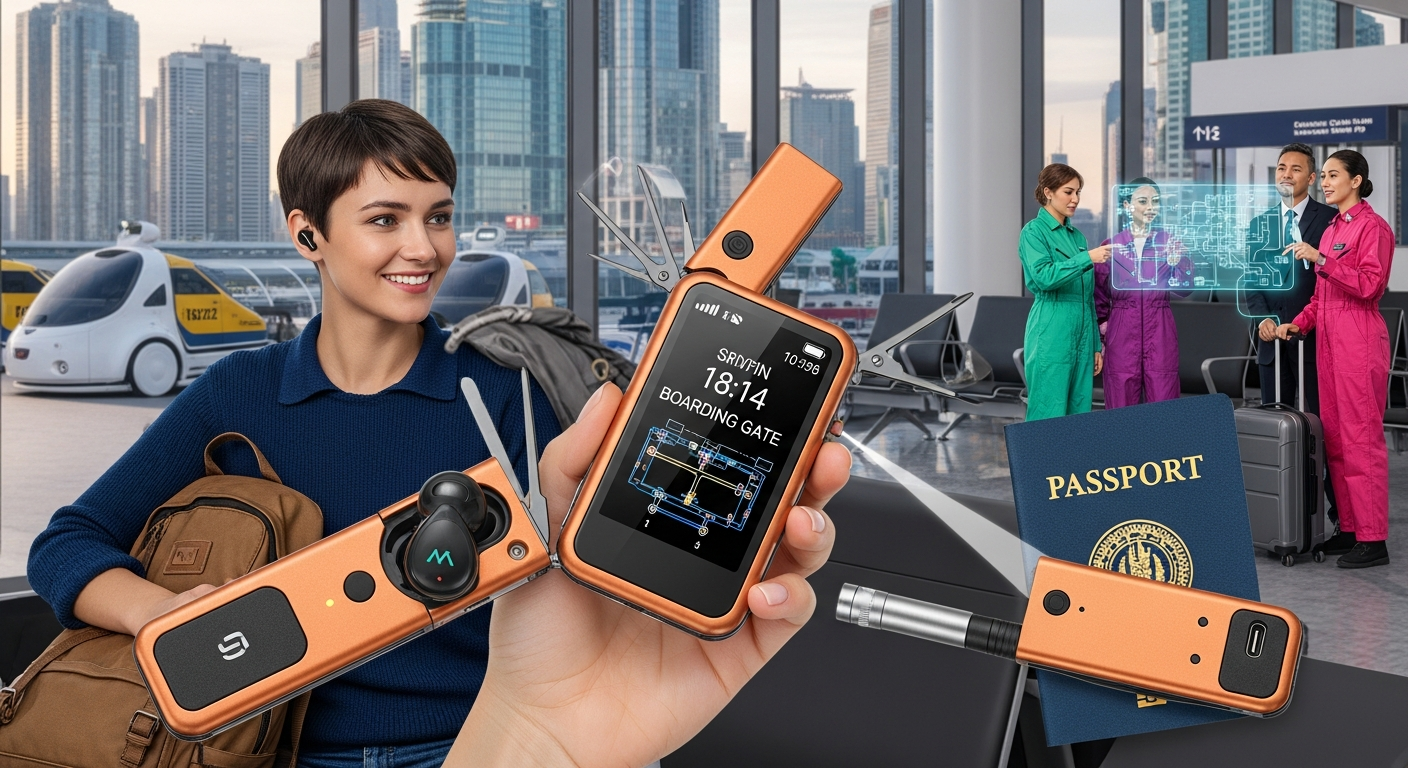
Imagine a camera lens cap designed specifically for your rare vintage lens, or a phone holder that perfectly clips to your rental car’s dashboard. These aren’t just conveniences; they enhance your travel experience significantly. The ability to create custom items means you no longer have to compromise on functionality or comfort.
Solving Travel Headaches
One of the biggest advantages of 3D printing is its ability to solve common travel frustrations before they even happen. By anticipating needs, you can print solutions in advance. This might include creating custom organizers for electronics or protective cases for delicate items. The proactive approach saves time and prevents potential mishaps.
Furthermore, 3D printing offers a unique form of travel insurance. Having access to designs for common replacement parts means you’re prepared for wear and tear. A broken zipper pull or a lost earbud case no longer spells disaster. Instead, it’s a quick print away from being fixed.
Essential Travel 3D Prints You Need
The range of useful items you can create with 3D printing for travel is vast and continually growing. From small gadgets that make life easier to vital components for repairs, the possibilities are exciting. Let’s explore some of the most popular and practical travel 3d prints that every adventurer should consider.
Gadget Organizers and Protectors
Keeping electronics safe and organized is crucial for many travelers. Cables tangle, adapters get lost, and small devices can easily be damaged. 3D printed solutions offer elegant answers to these problems. You can print custom cable clips, earbud holders, and protective cases for hard drives or power banks.
Consider a custom-fit case for your action camera accessories, ensuring every mount and battery has its place. Or perhaps a unique stand for your smartphone that doubles as a wallet. These items not only protect your valuable electronics but also make them more accessible and enjoyable to use during your trip.
Comfort and Convenience Boosters
Long journeys can be tiring, but 3D prints can add touches of comfort and convenience. Think about a custom headrest adapter for airplane seats, or a unique ergonomic grip for your travel mug. Even small items like pill organizers or specialized keychains can make a big difference in daily comfort.
Many travelers also find value in 3D printed adapters for water bottles, allowing them to attach to backpack straps or bicycle frames easily. These small innovations make travel smoother and more enjoyable, letting you focus on the experience rather than minor annoyances.
Practical Repair Kits
Perhaps one of the most empowering uses of travel 3d prints is for on-the-go repairs. A small, portable 3D printer can be a lifeline for adventurers in remote areas. Even without a printer, carrying a few pre-printed spare parts can save a trip.
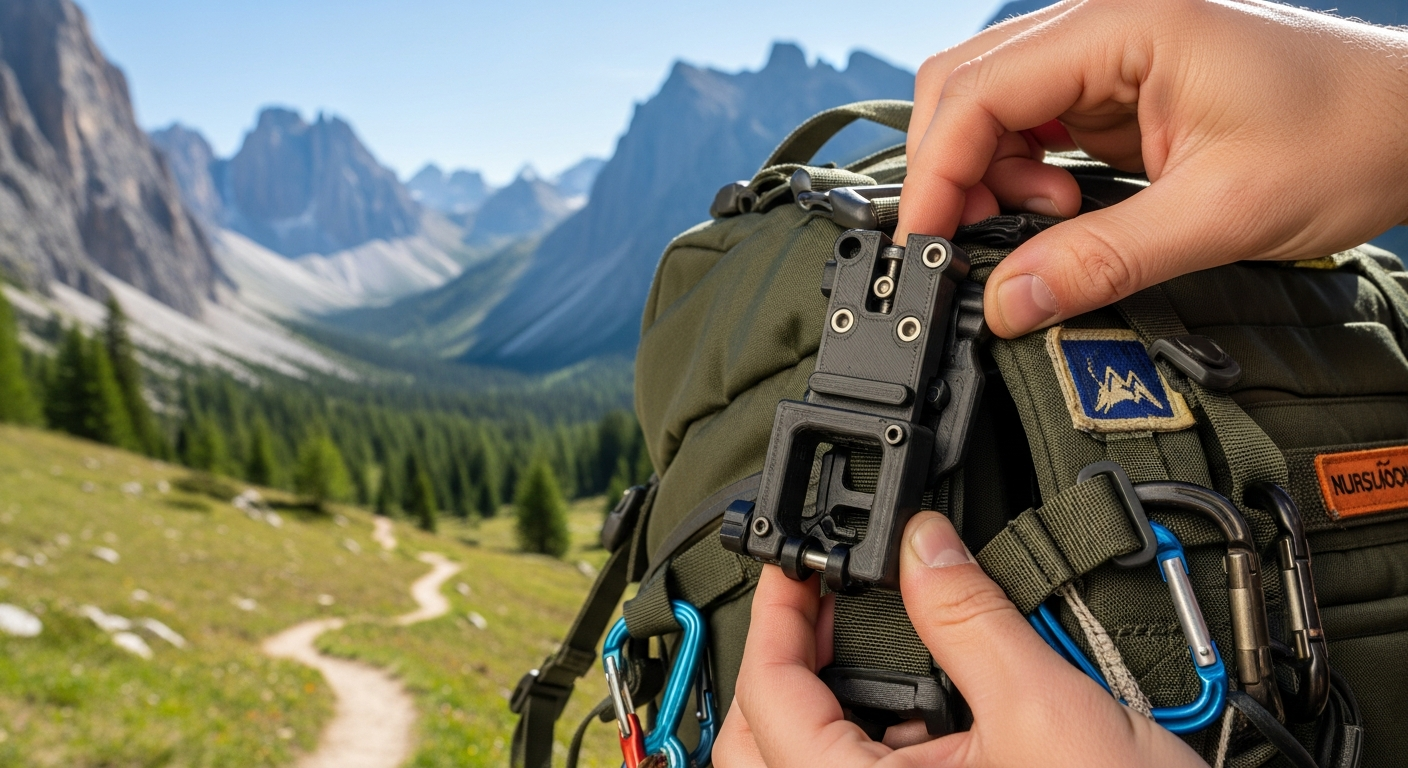
Consider printing spare buckles for backpacks, replacement parts for camping gear, or even simple tools like a multi-purpose wrench. These items are lightweight, durable, and can be lifesavers when far from repair shops. This capability truly embodies the spirit of self-reliance for travelers.
The Benefits of Integrating 3D Printing into Your Travel Routine
The advantages of using 3D printing for travel extend beyond just convenience. They touch upon important aspects like sustainability, cost-effectiveness, and the overall quality of your travel experience. Embracing this technology can lead to more mindful and efficient journeys.
Lighter Luggage, Greater Freedom
One of the universal goals for travelers is to reduce luggage weight. Heavy bags mean extra fees, more effort, and less flexibility. 3D printing allows for the creation of lightweight, strong, and often multi-functional items. This means you can pack less while still being fully prepared.
Instead of buying multiple specialized tools, you can print one that serves several purposes. Rather than carrying bulky cases, you can print custom-fit, minimalist protectors. This focus on efficiency directly translates to a lighter load and more freedom to move and explore.
Eco-Friendly Exploration
Sustainability in travel is more important than ever. 3D printing supports this by reducing waste and promoting responsible consumption. By printing only what you need, you avoid the waste of mass-produced items that might not fully meet your requirements. This also means fewer discarded items ending up in landfills.
Many 3D printing materials are becoming more environmentally friendly, including biodegradable plastics. This allows travelers to minimize their environmental footprint. The ability to repair rather than replace also extends the life of existing gear, further contributing to a greener way to travel.
Cost Savings on the Go
Travel can be expensive, and unexpected costs for forgotten items or broken gear can add up quickly. 3D printing offers a way to significantly cut down on these expenses. The cost of printing a small replacement part or a custom organizer is often much less than buying a new item or paying for professional repairs.
Furthermore, by creating your own specialized gear, you avoid the high markups on niche travel products. This empowers you to allocate your travel budget to experiences rather than unforeseen necessities. It’s a smart financial move for any budget-conscious adventurer.
“3D printing isn’t just about making things; it’s about enabling a new mindset for travelers. It shifts the focus from consumption to creation, fostering resilience and resourcefulness on the road.” – *Dr. Anya Sharma, Innovation in Tourism Expert*
Here’s a look at some of the clear advantages and considerations:
| Feature | Advantages of Travel 3D Prints | Considerations for Travelers |
| **Customization** | Perfect fit for unique gear, personal preferences. | Requires design skills or access to a good model library. |
| **Repairs** | On-the-spot fixes for broken parts, reducing travel delays. | Need to carry a portable printer or access printing services. |
| **Weight Savings** | Lightweight designs reduce luggage bulk and airline fees. | Material strength must be considered for critical items. |
| **Sustainability** | Less waste, use of eco-friendly materials, repair over replace. | Disposal of non-biodegradable prints still a concern. |
| **Cost-Effectiveness** | Cheaper than buying specialized items or making emergency purchases. | Initial investment in a 3D printer and materials can be high. |
| **Innovation** | Access to cutting-edge solutions and unique travel hacks. | Learning curve for new users. |
Getting Started with Travel 3D Printing
Jumping into the world of travel 3d prints might seem daunting at first, but it’s more accessible than you think. With a little research and practice, you can quickly start creating your own travel solutions. The key is understanding the basics and knowing where to find resources.
Choosing the Right Printer
For most travelers, a small, portable 3D printer is ideal. These printers are designed to be compact and easy to transport, making them perfect for creating items on the go or in temporary accommodations. Look for models known for reliability and ease of use.
Desktop FDM (Fused Deposition Modeling) printers are generally the most common and affordable choice. They work by melting plastic filament and laying it down layer by layer. Research different brands and models, considering factors like build volume, print speed, and material compatibility before making a purchase.
Finding or Designing Models
Not everyone is a design expert, and that’s perfectly fine. There are many online communities and websites dedicated to sharing 3D models. Platforms like Thingiverse, MyMiniFactory, and Cults3D offer thousands of free and paid designs for almost anything you can imagine. A simple search for “travel accessories 3D print” will yield numerous results.
If you’re feeling adventurous, basic CAD (Computer-Aided Design) software is available for free or at low cost. Programs like Tinkercad are beginner-friendly and allow you to create simple designs. This gives you ultimate control over your custom travel gear, truly making it your own.
Materials for Durability
Choosing the right filament is crucial for creating durable and functional travel items. PLA (Polylactic Acid) is a popular choice for beginners due to its ease of use and biodegradability. However, for items needing more strength and heat resistance, PETG (Polyethylene Terephthalate Glycol) or ABS (Acrylonitrile Butadiene Styrene) might be better.
- PLA: Good for general use, easy to print, biodegradable, but less heat resistant.
- PETG: Stronger, more flexible, and more heat resistant than PLA, a good all-rounder.
- ABS: Very strong and durable, good for functional parts, but can be harder to print.
Always consider the intended use of your print when selecting a material. A phone stand might be fine with PLA, but a critical repair part might need the strength of PETG.
Future of Travel and 3D Printing
The integration of 3D printing into the travel industry is still in its early stages, but its potential is enormous. As technology advances, we can expect even more seamless and innovative applications that will further transform how we explore the world.
On-Demand Production Hubs
Imagine arriving at your destination and needing a specific item. In the future, airports, hotels, or even local community centers could host 3D printing hubs. These hubs would allow travelers to print custom items on demand, from personalized souvenirs to essential gear replacements. This would eliminate the need to pack certain items at all.
Such a network would not only enhance convenience but also reduce shipping costs and environmental impact. It creates a truly localized and responsive manufacturing system for travelers, making forgotten items a thing of the past. The concept of a “print-on-arrival” service is becoming increasingly realistic.
Sustainable Travel Innovations
As 3D printing technology evolves, so too will its role in sustainable travel. We can anticipate advancements in recycled and bio-based filaments, making the creation of travel items even more eco-friendly. Imagine printing a new water bottle holder from recycled ocean plastics found at your destination.
Furthermore, 3D printing could play a role in creating lightweight, modular structures for eco-tourism or even parts for sustainable transportation. The ability to rapidly prototype and produce specialized components on a smaller scale opens doors for truly green travel solutions that were once impossible.
Conclusion: Your Journey, Reimagined
Travel 3D prints are much more than a novelty; they represent a fundamental shift in how we approach our adventures. From personalizing your gear to fixing unexpected issues on the fly, 3D printing offers unparalleled flexibility, efficiency, and sustainability. It empowers you to take control of your travel experience, making it truly your own.
By embracing this technology, you’re not just packing smarter; you’re traveling smarter. The future of travel is custom, convenient, and conscious, all thanks to the incredible possibilities offered by 3D printing. So, next time you’re planning a trip, consider how a few clever prints could transform your journey from good to extraordinary.
Frequently Asked Questions (FAQ)
1. What are travel 3D prints?
Travel 3D prints are physical items created using a 3D printer, specifically designed to enhance or assist with travel. This can include personalized gear, organizers for electronics, repair parts, comfort items, or unique souvenirs, all custom-made to a traveler’s specific needs.
2. Can I really print items while traveling?
Yes, with portable 3D printers, you can print items while traveling. Many compact models are available that are easy to transport and set up in various locations. Alternatively, you can pre-print items before your trip or utilize local 3D printing services if available at your destination.
3. What kind of materials are used for travel 3D prints?
Common materials include PLA (Polylactic Acid) for ease of printing and biodegradability, PETG (Polyethylene Terephthalate Glycol) for strength and heat resistance, and ABS (Acrylonitrile Butadiene Styrene) for high durability. The best material depends on the item’s intended use and required properties.
4. Is 3D printing for travel expensive?
The initial investment for a good quality portable 3D printer can range from a few hundred to over a thousand dollars. However, the cost per print is relatively low, especially for small items. Over time, the savings from not buying specialized gear or replacement parts can offset the initial cost, making it a cost-effective solution for frequent travelers.
5. How do 3D prints make travel more sustainable?
3D printing contributes to sustainable travel by allowing travelers to print only what they need, reducing waste from mass-produced items. It also promotes repairing items instead of replacing them, extending product lifespans. Additionally, the use of eco-friendly and recycled filaments further minimizes environmental impact.