Travel 911: Your Ultimate Guide to Emergency Preparedness Abroad
Traveling the world offers incredible experiences, from exploring ancient ruins to relaxing on pristine beaches. It’s a chance to create lasting memories and broaden your horizons. However, even the most meticulously planned trips can encounter unexpected challenges. From minor mishaps to serious emergencies, knowing how to react can make all the difference between a minor inconvenience and a major crisis.
This guide introduces the concept of “Travel 911” – not just a phone number, but a mindset of readiness and a toolkit of practical steps to ensure your safety and well-being wherever your adventures take you. Being prepared doesn’t mean expecting the worst; it means empowering yourself with the knowledge and resources to handle anything that comes your way. Let’s explore how to transform potential travel worries into manageable situations, allowing you to enjoy your journey with greater peace of mind.
Key Takeaways for Every Traveler
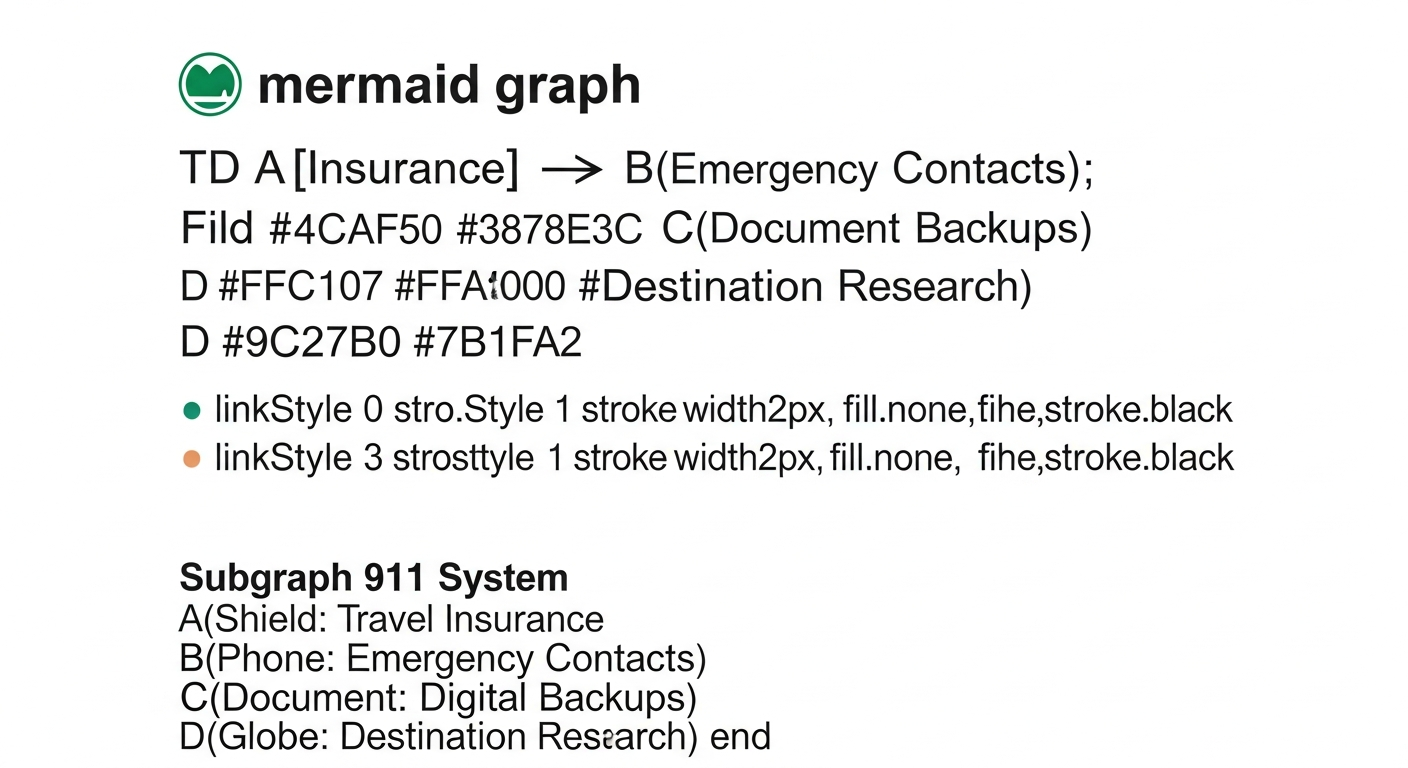
- Always Secure Comprehensive Travel Insurance: This is your primary financial safety net for medical emergencies, trip cancellations, and lost luggage.
- Know Local Emergency Numbers: Research and save the emergency contact details for every country you visit before you depart.
- Keep Copies of Important Documents: Store digital and physical copies of your passport, visa, and insurance information separately from the originals.
- Share Your Itinerary: Inform a trusted person back home about your travel plans, including flight details and accommodation.
- Stay Informed About Local Conditions: Regularly check travel advisories and local news for your destination to be aware of any potential risks.
Understanding “Travel 911”: What It Means to Be Prepared
“Travel 911” is more than just a phrase; it’s a strategic approach to travel safety. It involves understanding potential risks, taking proactive measures, and knowing exactly what to do when an unexpected event occurs. This preparation empowers you to respond effectively to various situations, minimizing stress and ensuring your safety.
Why Emergency Planning is Crucial for Travelers
Imagine being in a foreign country, perhaps with a language barrier, and facing a sudden medical issue or losing your passport. Without a plan, these situations can quickly become overwhelming. Emergency planning provides a roadmap, offering clear steps and resources to navigate challenging circumstances. It reduces panic and helps you make rational decisions under pressure.
Common Travel Emergencies to Consider
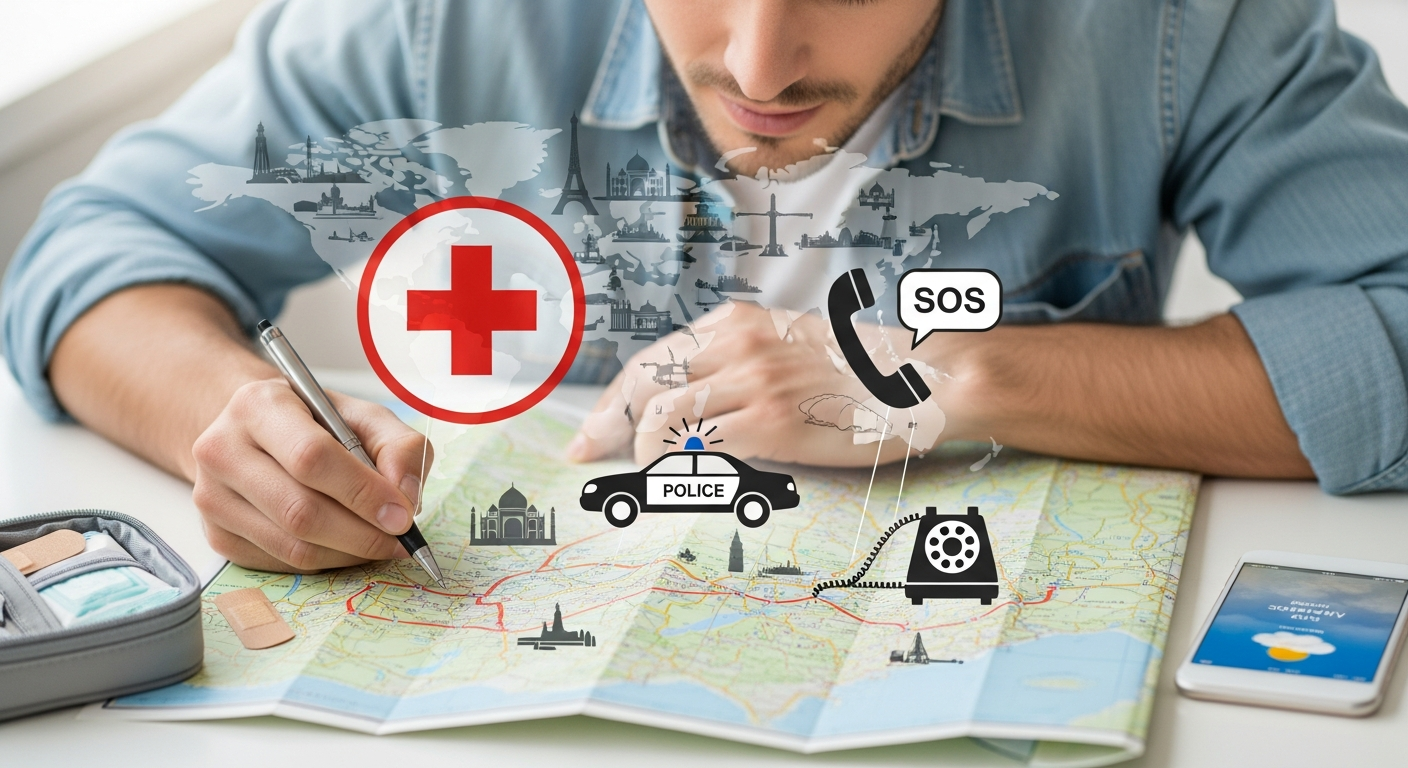
Emergencies can range widely. While we hope for smooth travels, it’s wise to consider:
- Medical Emergencies: Illness, injury, or needing prescription refills.
- Lost or Stolen Documents: Passports, visas, credit cards, or identification.
- Theft or Robbery: Losing valuables, cash, or essential items.
- Natural Disasters: Earthquakes, hurricanes, floods, or wildfires.
- Political Unrest or Civil Disturbances: Unexpected protests, demonstrations, or security threats.
- Transportation Issues: Missed flights, breakdowns, or accidents.
Before You Go: Proactive Steps for a Safer Journey
The foundation of effective “Travel 911” preparedness begins long before you pack your bags. Taking these proactive steps can significantly reduce risks and enhance your ability to respond to emergencies.
Comprehensive Travel Insurance: Your Safety Net
Travel insurance is not an optional extra; it is a fundamental component of responsible travel. It protects you from unforeseen financial burdens that can arise from medical emergencies, trip cancellations, lost luggage, and more. Always read the policy details carefully to understand what is covered.
Consider the differences between basic and comprehensive plans:
| Feature | Basic Travel Insurance (Example) | Comprehensive Travel Insurance (Example) |
| **Medical Coverage** | Limited emergency medical treatment only | Extensive emergency medical, evacuation, dental, pre-existing conditions |
| **Trip Cancellation** | Covers specific, limited reasons | Broader coverage for various unforeseen events |
| **Lost Luggage** | Minimal reimbursement for lost items | Higher reimbursement limits, often includes delayed baggage coverage |
| **Travel Delay** | Often not included, or very limited | Covers accommodation and meals due to significant delays |
| **Emergency Evacuation** | May be an add-on, or not included | Standard inclusion for medical or security evacuations |
| **Adventure Sports** | Typically excluded | Often an optional add-on for specific activities |
Digital & Physical Document Backups
Imagine losing your passport. It’s a traveler’s worst nightmare. Having backups can significantly speed up the replacement process. Make photocopies of your passport, visa, driver’s license, credit cards (front and back, noting emergency numbers), and travel insurance policy. Store these copies in a separate bag from the originals.
Even better, keep digital copies on a secure cloud service or email them to yourself and a trusted contact. This ensures access even if your physical copies are lost. Remember to encrypt sensitive files for added security.
Researching Your Destination’s Emergency Services
Do you know the equivalent of “911” in France? Or Japan? Before you leave, research the local emergency numbers for police, fire, and ambulance services in each country you plan to visit. Save these numbers in your phone, and write them down on a small card to keep in your wallet.
Also, locate the nearest embassy or consulate for your home country. These offices can provide crucial assistance in emergencies, such as replacing a lost passport or offering guidance during a crisis.
Health Preparedness: Medications and Vaccinations
Consult your doctor well in advance of your trip. Discuss necessary vaccinations for your destination and ensure you have an adequate supply of any prescription medications. Carry medications in their original containers with a copy of your prescription, especially for controlled substances. It’s also wise to pack a small first-aid kit with essentials like pain relievers, bandages, antiseptic wipes, and any personal allergy medications.
During Your Trip: Immediate Actions in an Emergency
Even with the best preparation, emergencies can happen. Knowing what to do in the moment is crucial for your safety and for resolving the situation efficiently.
Contacting Local Emergency Services
If you face an immediate threat or medical crisis, your first priority is to contact local emergency services. Speak clearly and provide your exact location and the nature of the emergency. If there’s a language barrier, try to use simple words or phrases, or ask a local bystander for help. Remember, time can be critical in these situations.
What to Do in a Medical Emergency
For a medical emergency, call the local ambulance number immediately. If you have travel insurance, contact their emergency assistance hotline as soon as it’s safe to do so. They can guide you to approved medical facilities and help coordinate care. Keep all medical records, receipts, and reports, as these will be vital for insurance claims later.
Dealing with Lost or Stolen Passports and Valuables
If your passport is lost or stolen, report it to the local police immediately and obtain a police report. This report is essential for both your insurance claim and for obtaining a replacement passport. Next, contact your country’s embassy or consulate. They will guide you through the process of applying for an emergency travel document or a new passport.
“In any emergency abroad, your first step after ensuring immediate safety should always be to contact your travel insurance provider. They are equipped to offer guidance, connect you with local resources, and initiate the claims process, significantly easing the burden during a stressful time.” – *Expert Travel Safety Advisor*
For stolen valuables, follow a similar process: report it to the police, get a report, and then contact your travel insurance provider to start a claim. Be prepared to provide details of the stolen items and their approximate value.
Staying Connected: Communication in Crisis
Effective communication is vital during a travel emergency. Being able to reach out for help or update loved ones can provide immense relief and facilitate a quicker resolution.
International Roaming vs. Local SIM Cards
Before you travel, decide on your communication strategy. International roaming can be convenient but often expensive. A local SIM card, purchased upon arrival, typically offers more affordable data and local calls. Many travelers also opt for eSIMs, which provide digital connectivity without needing a physical card.
Regardless of your choice, ensure your phone is charged and has enough credit or data. Consider carrying a portable power bank for emergencies.
Emergency Contact List: Who to Notify
Beyond local emergency services, have a clear list of people to contact. This includes:
- Your travel insurance emergency hotline.
- Your bank and credit card companies (for lost/stolen cards).
- Your country’s embassy or consulate.
- A trusted family member or friend back home.
Share this list with your travel companions and leave a copy with your emergency contact person at home.
Financial Preparedness for Unexpected Events
Financial readiness is a critical aspect of “Travel 911.” Unexpected expenses can quickly accumulate during an emergency, so having a plan for accessing funds is essential.
Emergency Funds and Accessing Money Abroad
Always carry a small amount of local currency for immediate needs, but rely mostly on credit and debit cards. Notify your bank of your travel plans to prevent your cards from being flagged for suspicious activity and blocked. Have multiple payment methods, such as two different credit cards and a debit card, stored separately.
Consider having an emergency fund accessible, perhaps through a secondary bank account or a reliable money transfer service. This ensures you aren’t left without funds if your primary cards are compromised.
Understanding Credit Card Protections
Many credit cards offer built-in travel protections, such as rental car insurance, lost luggage assistance, or even emergency medical benefits. Review your credit card benefits before you travel. These can sometimes complement or even overlap with your travel insurance, providing an extra layer of security.
Post-Emergency: Recovery and Next Steps
Once the immediate crisis has passed, there are still important steps to take to ensure a smooth recovery and address any lingering issues.
Filing Claims and Documenting Incidents
For any incident that resulted in financial loss or medical expenses, you will need to file a claim with your travel insurance provider. Keep detailed records of everything: police reports, medical bills, receipts for emergency purchases, communication logs, and any other relevant documentation. The more evidence you can provide, the smoother the claims process will be.
Seeking Support and Consular Assistance
Even after an emergency, you might need ongoing support. Your embassy or consulate can offer non-financial assistance, such as connecting you with local resources, providing safe travel advice, or assisting with communication to family members. Don’t hesitate to reach out to them if you feel you need further guidance or support.
Conclusion
Travel is an enriching experience, and while we all hope for seamless journeys, being prepared for the unexpected is a hallmark of a responsible traveler. Embracing the principles of “Travel 911” means equipping yourself with knowledge, resources, and a calm mindset to navigate any challenge. From securing the right insurance to knowing local emergency numbers and having digital backups of your documents, every step you take before and during your trip contributes to a safer, more enjoyable adventure. Travel smart, stay safe, and let your explorations be filled with wonderful memories, not worries.
Frequently Asked Questions (FAQ)
1. What exactly is “Travel 911”?
“Travel 911” refers to a comprehensive approach to emergency preparedness for travelers. It encompasses proactive planning, understanding potential risks, and knowing the immediate steps to take in various emergency situations while abroad.
2. Is travel insurance really necessary for every trip?
Yes, comprehensive travel insurance is highly recommended for every trip, especially international travel. It provides a financial safety net for unexpected events like medical emergencies, trip cancellations, lost luggage, and emergency evacuations, which can be very costly without coverage.
3. What should I do immediately if my passport is stolen abroad?
If your passport is stolen, first report it to the local police and obtain a police report. Then, contact your country’s embassy or consulate in that region to arrange for an emergency travel document or a new passport. Also, notify your travel insurance provider.
4. How can I find local emergency numbers for my destination?
Before your trip, research the local emergency numbers (police, fire, ambulance) for each country you plan to visit. You can find this information through government travel advisories, reputable travel guides, or a quick online search. Save these numbers in your phone and keep a written copy.
5. Should I carry physical cash for emergencies while traveling?
It’s advisable to carry a small amount of local currency for immediate needs. However, relying solely on cash is risky. It’s better to use a combination of credit cards and a debit card, stored separately, and to have access to an emergency fund. Always notify your bank of your travel plans.