
Yes — for the places tourists actually go, Ghana is one of West Africa’s most reassuring destinations, and the official advisories say so more clearly than the headlines do. The US State Department rates Ghana Level 2 — “Exercise Increased Caution” (advisory issued July 7, 2026), the same tier it applies to France, Italy, and the UK. The stricter warnings are aimed at specific areas along the far northern border — hundreds of kilometres from Accra, Cape Coast, Kumasi, and the Volta Region, where virtually all first-time visitors spend their trip. Here’s the honest picture: what the US and UK advisories actually say, the everyday risks that are far more likely to affect your trip than anything in the warnings, and the habits that keep the trip boring in the best way.
Advisories verified directly on travel.state.gov and gov.uk as of August 3, 2026. Conditions change — check both before you fly. Not legal or security advice.
Part of our complete Ghana visa & travel hub — visas, passports, itineraries, and every route in and out of Ghana.
What the Official Advisories Actually Say (August 2026)
| Source | Overall rating | The fine print |
|---|---|---|
| US State Department (July 7, 2026) | Level 2 — Exercise Increased Caution | Level 3 (“Reconsider Travel”) only for the far north: northern border areas of the Upper East Region, the Northeast Region, the Upper West Region, and areas west of the N12 highway in the Savannah Region |
| UK FCDO (updated July 2, 2026) | No blanket warning for Ghana | Advises against all but essential travel to the Bawku Municipal area in the Upper East Region, citing violent local incidents; military deployed and curfews (usually 7pm–5am) in effect there |
The US advisory’s stated reasons for the Level 2 rating are worth knowing verbatim: crime, limited health-care infrastructure outside the cities, violence against women, and violence targeting lesbian and gay travelers. None of those are abstract — each gets a practical section below. What the rating is not saying: it is not a warning against visiting Ghana. Level 2 is the same category Americans are given for most of Western Europe.
One geographic note for safari planners: Mole National Park sits east of the N12 corridor, outside the Level 3 zone, and continues to receive visitors — but if you’re overlanding anywhere in the north, check the advisory’s own map before finalising the route, and fly Accra–Tamale rather than driving long northern stretches.
The Risks That Actually Affect Tourists
Statistically, the things most likely to go wrong for a visitor have nothing to do with the northern border:
- Petty theft and phone snatching. Crowded markets (Makola, Kejetia), beaches, and slow traffic are the classic settings — a phone held out of a trotro or taxi window is the single most commonly lost item. Keep phones off the street side, carry a day’s cash only, and use the hotel safe.
- Road travel — the biggest real danger in Ghana. Long-distance roads mix fast traffic, pedestrians, livestock, and unlit vehicles. The single best safety decision you can make is simple: don’t travel intercity by road after dark. Use morning departures, reputable bus lines (STC, VIP), or domestic flights for the north.
- Scams. The familiar repertoire: “gold deal” and business-opportunity cons, romance scams that move from app to airport, spiritual-blessing money tricks, and inflated “fees” from unofficial helpers at borders and offices. The rule that defeats nearly all of them: anyone who approaches you with a money opportunity is the opportunity.
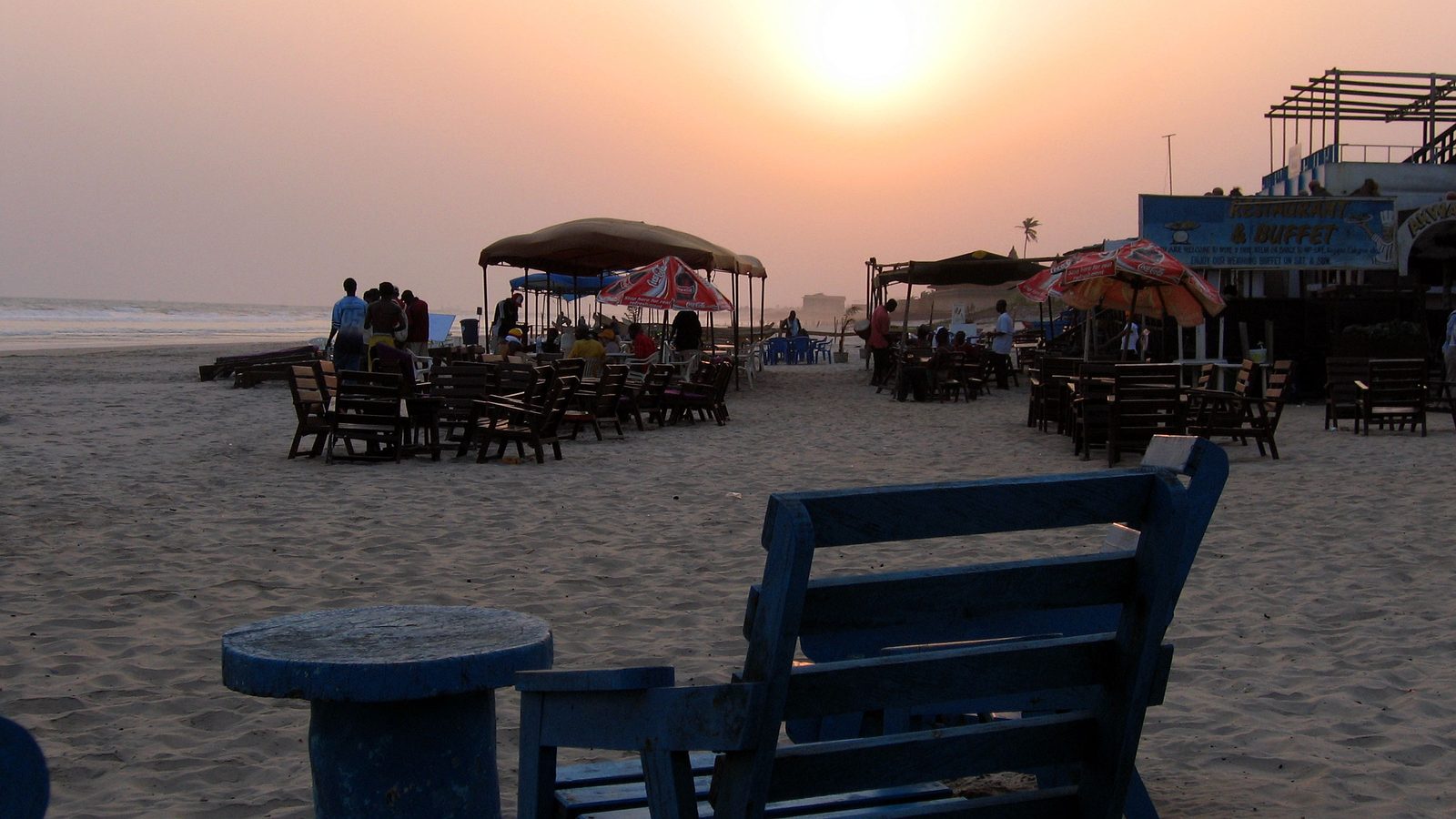
- Ocean rip currents. The Atlantic coast — including popular beaches like Labadi and Kokrobite — has strong currents and no consistent lifeguard coverage. Swim shallow, never alone, and ask locally before going in.
- After-dark movement in cities. Accra is lively and broadly safe at night in busy areas (Osu, East Legon, Airport City), but use Bolt/Uber/Yango door to door rather than walking unlit stretches or hailing unmarked cabs.
Health: The Part Travelers Underestimate
- Yellow fever vaccination is an entry requirement — border officials can ask for the certificate, so carry the yellow card with your passport.
- Malaria is year-round nationwide. Travel-health authorities recommend prophylaxis tablets plus repellent and evening cover-ups — this is the health risk that actually catches visitors, not the exotic ones.
- Drink bottled or filtered water (the ubiquitous sachet water is fine from reputable brands); ease into street food with busy stalls where turnover is high.
- Health care thins out fast outside Accra and Kumasi — the US advisory flags this directly. Travel insurance with medical evacuation is the non-negotiable line item; the private hospitals in Accra (for anything serious) plus insurance cover the realistic scenarios.
- Emergency numbers: 112 is Ghana’s general emergency line; 191 reaches police directly. Response can be slow — your first call in a medical situation is often better placed to your hotel or a private hospital.
Specific Travelers, Specific Realities
- Women travelers. Ghana is a common solo-female destination and most visitors report feeling safer than expected — persistent (usually verbal) attention is the main friction. The US advisory’s mention of violence against women is a reason for standard precautions, not avoidance: trusted transport at night, hotel areas with foot traffic, and the confidence to be plainly rude to persistence.
- LGBTQ+ travelers. This deserves plain language: Ghanaian law criminalizes same-sex relations, social attitudes are broadly conservative, and the US advisory explicitly warns of violence targeting lesbian and gay travelers. Visitors are not asked about orientation at the border, and LGBTQ+ travelers do visit Ghana — but public affection or outness carries real risk, and discretion is unfortunately the operative rule throughout the trip.
- Diaspora and heritage visitors. The Year-of-Return wave made Ghana the most diaspora-ready country in the region — December especially (see our December in Ghana guide). The main December-specific caution is unglamorous: event-ticket scams and surge-priced everything. Book through official channels.
- American and European first-timers. Register with STEP (US) or sign up for FCDO email alerts (UK) — free, and it means the embassy can reach you if anything changes mid-trip.
The Bottom-Line Playbook
- Stay in the tourist belt (coast, Accra, Kumasi, Volta, Mole via Tamale) — the Level 3 zones are far-north border areas you’d have to deliberately route through.
- No intercity road travel after dark. Ever. This one rule outperforms every other precaution combined.
- Bolt/Uber/Yango in cities; registered taxis or hotel cars otherwise.
- Yellow fever card packed, malaria tablets started, insurance with evacuation bought.
- Phones off the street side, valuables in the safe, one day’s cash in your pocket.
- Check travel.state.gov and gov.uk the week you fly — advisories update without warning.
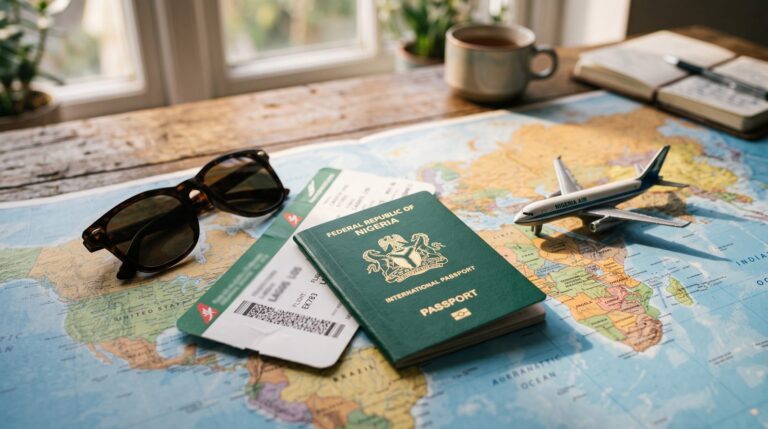
Sorting your entry paperwork is part of the safety picture too — arrive with the right visa and you never need the “helpful” fixers at the airport. US passport holders: here’s exactly how Ghana’s visa works for Americans; travelers from African countries may qualify for Ghana’s new free e-visa. Then build the trip itself with our first-timer’s Ghana itinerary and pick your season with the best-time-to-visit guide.
Frequently Asked Questions
Is Ghana safe for American tourists in 2026?
Yes, with normal precautions — the US State Department rates Ghana Level 2 (“Exercise Increased Caution,” advisory of July 7, 2026), the same tier as much of Western Europe. Its Level 3 areas are specific far-northern border zones that ordinary itineraries never touch.
Is Accra safe at night?
Busy districts like Osu, East Legon, and Airport City stay lively and broadly safe; the sensible pattern is ride-hailing door to door (Bolt, Uber, Yango) rather than walking unlit streets or using unmarked taxis.
Which parts of Ghana should tourists avoid?
The far northern border areas: the US advisory lists northern border zones of the Upper East Region, the Northeast Region, the Upper West Region, and areas west of the N12 in the Savannah Region; the UK adds the Bawku Municipal area specifically. All are far from the coast-and-Kumasi tourist belt.
Is Ghana safe for solo female travelers?
Ghana is one of West Africa’s most popular solo-female destinations. Most friction is persistent verbal attention rather than danger — use trusted transport at night and stay in well-reviewed accommodation, the same rules as anywhere.
Is Mole National Park safe to visit?
Mole lies east of the N12 corridor — outside the US advisory’s Level 3 zone — and continues to receive visitors. Fly Accra–Tamale and transfer by day rather than overlanding long northern routes, and check the advisory map when you book.
What vaccines do I need for Ghana?
Yellow fever vaccination is an entry requirement — carry the certificate. Beyond that, health authorities recommend routine vaccines plus malaria prophylaxis; Ghana is a year-round malaria zone.
Sources
- US State Department — Ghana Travel Advisory (Level 2, July 7, 2026)
- UK FCDO — Ghana travel advice (updated July 2, 2026)
- Photo: Labadi Beach, Accra — Stig Nygaard, Wikimedia Commons, CC BY 2.0
Disclaimer: General information verified against official advisories as of August 3, 2026 — not legal or security advice. Conditions change; travel.state.gov and gov.uk are authoritative.
Get visa, passport, and travel-planning guides like this one sent straight to your inbox — plus first access to new country guides and scholarship roundups.