
The short answer: November to March is Ghana’s sweet spot — dry skies, safari season, and the festival run that ends in the December frenzy. But “best” splits three ways depending on what you’re flying in for: the driest weather, the lowest prices, or the biggest cultural moments, and they are not the same months. Ghana sits just above the equator, so temperatures barely move all year (coastal days run roughly 27–32°C); what changes is rain, humidity, and the Saharan haze called the harmattan. Here’s the honest month-by-month picture — including why August is the coast’s secret weapon and why December costs double.
Climate patterns are long-term averages — individual years vary, and festival dates shift annually; confirm dates locally before booking around an event. Written August 2026.
Part of our complete Ghana visa & travel hub — visas, passports, itineraries, and every route in and out of Ghana.
Ghana’s Seasons in One Table
| Season | When (south/coast) | What it means for your trip |
|---|---|---|
| Main dry season | November – March | The classic window: dry days, passable roads everywhere, peak safari viewing at Mole |
| Harmattan | ~December – February (inside the dry season) | Dusty Saharan haze: milky skies, dry air, cooler nights (especially up north) — great for comfort, flat for photography |
| Major rains | April – June/July | Heavy but usually short storms; June is typically the coast’s wettest month |
| The “little dry season” | Late July – August | The coast’s quirk: a genuinely dry, cooler spell in mid-“rainy” season — Europe’s summer holidays land in surprisingly good weather |
| Minor rains | September – October | Showery weeks, lush green landscapes, thin crowds, low prices |
Worth knowing: Accra itself is one of West Africa’s driest capitals — even “rainy season” there means dramatic bursts between sunny stretches, not weeks of grey. The rain rarely ruins trips; it rearranges afternoons.
Best For Weather: November – March
Dry roads to the Volta waterfalls, reliable beach days, and the north at its most accessible. Inside this window, January–March is the Mole National Park prime time — the landscape browns out and elephants gather at the waterholes, walking-safari conditions at their best. The trade-off is the harmattan haze: if crisp blue-sky photography matters to you, aim for November or March, at the edges of the dust.
Best For Price: September – November (and February – March)
The shoulder months are when flights and beach lodges are at their most negotiable — after the diaspora summer, before the December surge. September–October brings some showers but also the greenest version of Ghana; February–March gives you full dry-season conditions at post-holiday prices. If your dates are flexible and your budget isn’t, these are your months.
Best For Culture: August, and Then December
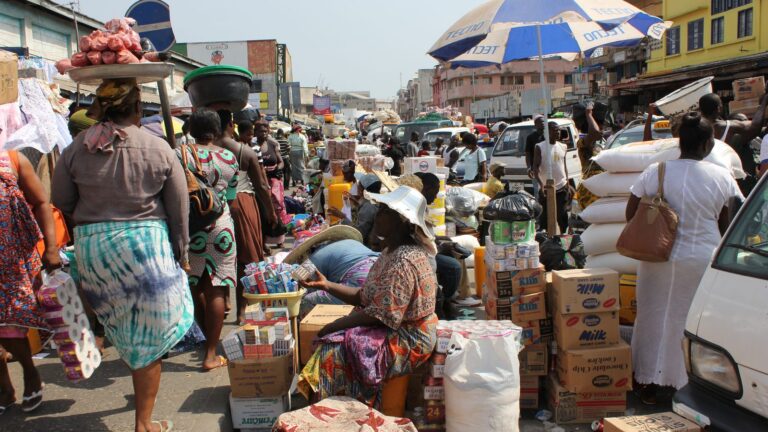
- August is Accra’s street-culture high point — the Chale Wote art festival takes over Jamestown (usually August), the Ga people’s Homowo harvest festival fills the calendar, and PANAFEST + Emancipation Day events (biennial for PANAFEST, typically July–August) center on Cape Coast’s castles. Dates move every year — confirm before you lock flights.
- December is a phenomenon of its own. “Detty December” turns Accra into the diaspora capital of the world: concerts, beach parties, weddings, and a full month of events. It is also the expensive, sold-out version of Ghana — flights and hotels can run at multiples of shoulder-season prices and the good stuff books out by October. We’ve written the full playbook in our December in Ghana guide.
- Other anchors through the year (dates vary): Aboakyer deer-hunting festival in Winneba (~May), Fetu Afahye in Cape Coast (~early September), and the Hogbetsotso festival of the Anlo Ewe in the Volta Region (~early November).
Month by Month, One Line Each
| Month | The one-liner |
|---|---|
| January | Dry, hazy, quiet after the December rush — safari prime time begins |
| February | Driest stretch; harmattan fading on the coast; great value |
| March | Hot, clearing skies, last of the full-dry window — underrated |
| April | First storms build; landscapes start greening |
| May | Rains settle in; Aboakyer festival season in Winneba |
| June | Typically the coast’s wettest month — dramatic skies, short storms |
| July | Rains taper on the coast; diaspora summer begins |
| August | The secret window: coastal “little dry season” + Chale Wote & festival season |
| September | Minor rains, green everywhere, prices drop — Fetu Afahye in Cape Coast |
| October | Showers fading, still quiet, the smart shoulder pick |
| November | Dry season opens; clear skies before the haze; Hogbetsotso in the Volta |
| December | Detty December: peak everything — energy, crowds, and prices |
Booking Logic, Whatever Month You Pick
- December trips get booked like a wedding: flights by September–October, headline events as soon as tickets drop.
- Rainy-season trips need flexible afternoons, not different plans — storms pass, roads to remote waterfalls are the main casualty.
- Northern itineraries (Mole, Tamale) belong in the dry months — wildlife is better and the long drives are kinder. Check the current security picture for the far north in our Is Ghana Safe guide before overlanding.
- Sort the paperwork before the weather: US passport holders start with Ghana’s visa process for Americans; Africans may qualify for the free e-visa. Then build the trip with our first-timer’s itinerary.
Frequently Asked Questions
What is the best month to visit Ghana?
For all-round conditions, November — the dry season has opened, the harmattan haze hasn’t fully arrived, and December prices haven’t kicked in. For safaris, January–March; for festivals on a budget, August.
What is the rainy season in Ghana?
On the coast: major rains April–June/July (June usually wettest) and minor rains September–October, with a drier spell in August. The north has a single rainy season, roughly May–September. Storms are typically heavy but short.
What is the harmattan?
A dry, dusty wind off the Sahara that hazes Ghanaian skies roughly December–February: milky light, dry air, dusty surfaces, and noticeably cool nights in the north. Comfortable for travel, unflattering for landscape photography.
Is December a good time to visit Ghana?
It’s the most exciting time — Detty December fills Accra with concerts and diaspora energy — but also the most expensive and crowded. Book months ahead, or aim for January to get dry-season weather without the surge.
When is the best time for a Mole safari?
January to March, deep in the northern dry season, when animals concentrate at the waterholes and walking safaris are at their best.
Is Ghana hot all year?
Essentially yes — coastal days sit around 27–32°C year-round, with humidity (not temperature) as the variable. The harmattan months bring the coolest nights, especially inland and up north.
Sources
- Long-term West African climate patterns (Ghana Meteorological Agency public climate summaries)
- Festival timings: event organisers’ announcements — always confirm the current year’s dates
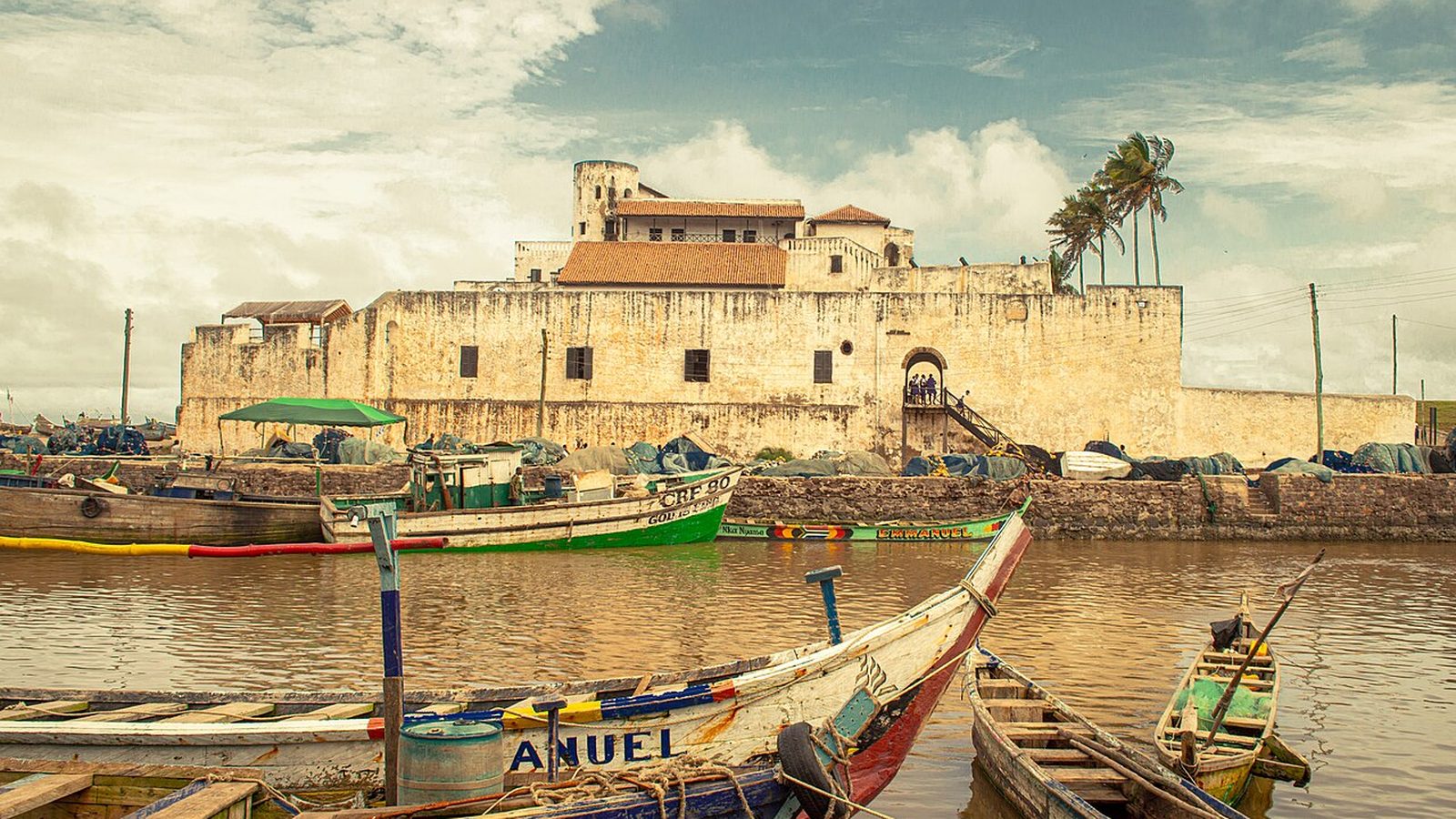
- Photo: Elmina harbour — Philip Nalangan, Wikimedia Commons, CC BY 4.0
Disclaimer: Climate notes are long-term averages and festival dates shift yearly — verify locally before booking around specific events. Written August 3, 2026.
Official sources to check before you apply or travel
- GOV.UK foreign travel advice (entry requirements by country)
- Government of Canada travel advice and advisories
Visa rules, fees, processing times and entry requirements change often. Always confirm the current requirements on the official government website, or with the embassy or consulate, before you apply, pay or travel. One Visa Center is an independent information site, not a law firm or government agency, and this article is not legal advice. Read how we research, fact-check and use AI tools in our Editorial Policy.
Get visa, passport, and travel-planning guides like this one sent straight to your inbox — plus first access to new country guides and scholarship roundups.