
Ten days, two megacities, one bullet train — and if you’re American, the whole thing can fit inside the visa-free transit window. The classic first China trip runs Beijing’s imperial grandeur into Shanghai’s vertical future at 350 km/h, and timed right (April–May or September–October, dodging one week that ambushes everyone) it’s among the smoothest big trips in Asia. Here’s the season-picker and the day-by-day in one guide: when to go, the Forbidden City booking rule that catches tourists weekly, the Xi’an upgrade for 14 days, and the transit-window version for US passports.
Journey times are stable; booking procedures and prices are planning figures as of August 2026 — confirm when booking. Not affiliated with any operator.
Part of our complete China travel & visa hub — visa-free entry, the 240-hour transit, payments, the firewall, safety, and the 10-day route.
When to Go: The Short Version
| Window | Verdict |
|---|---|
| April–May | Spring prime — mild, blooming, before the heat. Book around it |
| September–October | Autumn prime — crisp air, the Great Wall at its photogenic best. But never the first week of October |
| Golden Week (Oct 1–7) & Chinese New Year (Jan/Feb, dates shift) | The ambush weeks: hundreds of millions travel at once — sights mobbed, trains and hotels gone. Avoid unless crowds are the attraction |
| June–August | Hot and humid with summer rains; doable with early starts. Typhoon season brushes the southeast coast |
| November–March | Beijing runs cold and dry (clear Wall days, thin crowds); Shanghai damp-chilly. Harbin’s Ice Festival (Jan–Feb) is winter’s spectacular answer |
Days 1–4: Beijing — The Imperial Scale
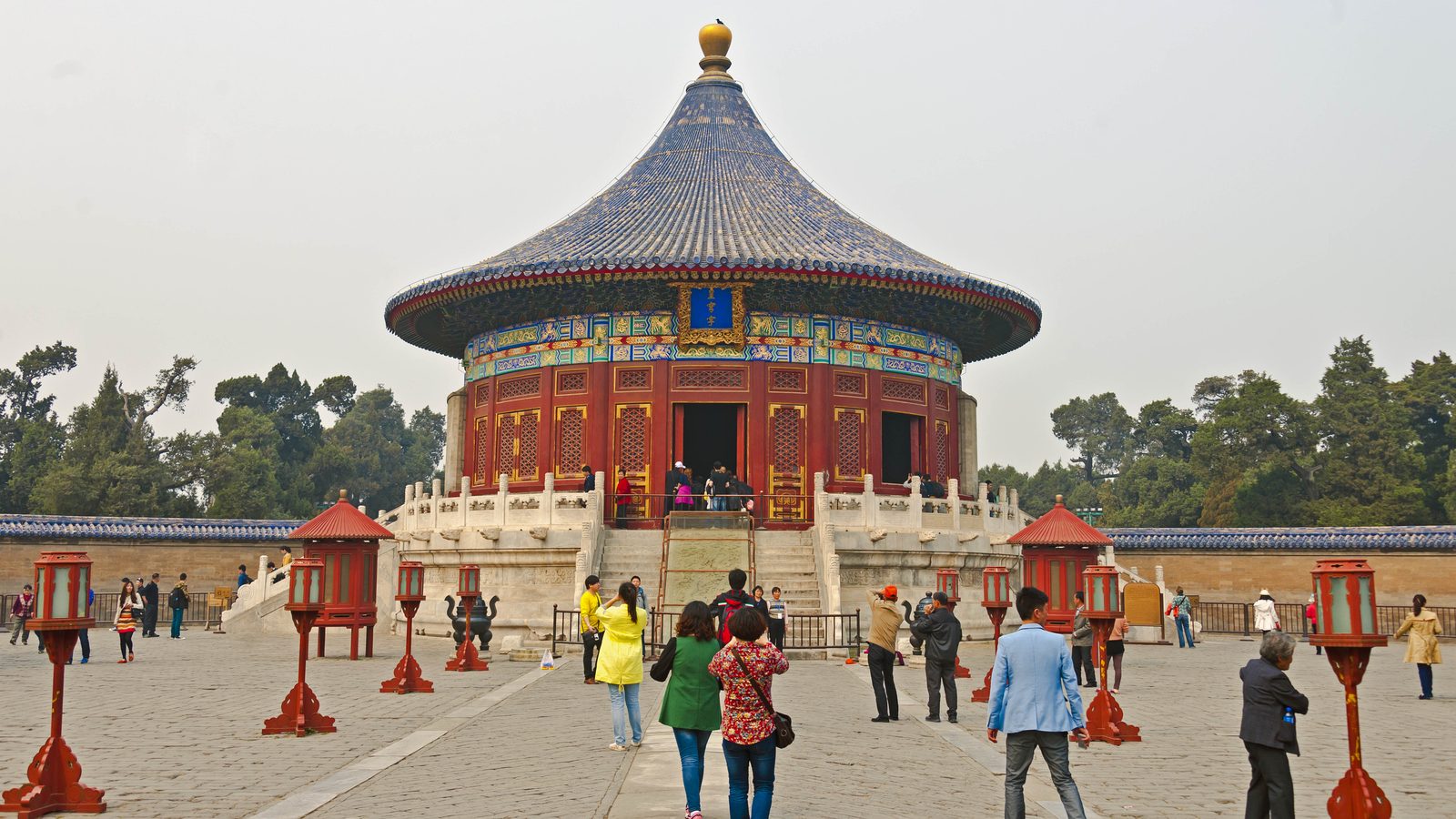
Day 1: land, activate your payment apps and roaming data, ease in around Houhai’s lakes or Qianmen street; Peking duck dinner — you’ve earned the cliché. Day 2: the center: Tiananmen Square, then the Forbidden City — and here’s the rule that catches visitors weekly: entry is by advance reservation against your passport number, and slots (especially weekends) sell out days ahead. Book as soon as your dates firm up (roughly a week out); no ticket booth will save you at the gate. Climb Jingshan Hill behind it for the rooftop panorama. Day 3: the Great Wall at Mutianyu — restored but far calmer than Badaling, with a cable car up and (gloriously) a toboggan down. Go early, allow the full day. Day 4: the Temple of Heaven in the morning (arrive with the tai-chi crowds), then the Summer Palace’s lakeside pavilions or the 798 art district by taste; night train prep or an early night.
Day 5: The Bullet Train
Beijing South → Shanghai Hongqiao: ~4.5 hours at 350 km/h, city center to city center — faster door-to-door than flying and half the drama. Book via the official 12306 app/site or a booking platform; you’ll need your passport, and boarding works by passport swipe. Window seat, left side leaving Beijing, and watch a fifth of humanity’s landscape roll past.
Days 6–8: Shanghai — The Vertical Future
Day 6: the Bund at golden hour — the colonial riverfront staring across at Pudong’s skyline — then Nanjing Road’s neon river of people. Day 7: old Shanghai: Yu Garden and the bazaar (early, before the buses), the former French Concession’s plane-tree lanes, Tianzifang or Wukang Road café-crawling; evening up a Pudong tower (Shanghai Tower’s observation deck) or a river cruise. Day 8: day trip — Suzhou’s classical gardens or Hangzhou’s West Lake, each ~30–45 minutes by bullet train, both the scenery Chinese poets spent dynasties praising.
Days 9–10: Finish — or Fork
The 10-day close: a Shanghai spare day (museums, tailors, one last soup-dumpling pilgrimage) and fly home from PVG. The 14-day upgrade: from Beijing, insert Xi’an (4.5 hours by high-speed rail) — the Terracotta Army, the Ming city walls by bicycle, and the Muslim Quarter’s food streets — then continue to Shanghai. That triangle (Beijing–Xi’an–Shanghai) is the complete first-China route.
The American Transit Play
US passports aren’t on China’s 50-country visa-free list — but this exact itinerary fits the 240-hour visa-free transit: fly into Beijing, do the route in ≤10 days, and exit Shanghai to a third country or region (Tokyo, Seoul, Bangkok — or Hong Kong, which counts). No visa, no fee — just the onward ticket. Longer or round-trip plans use the $140 ten-year visa.
Practical Notes That Save Trips
- Book with your passport everywhere: trains, the Forbidden City, hotels — and note hotels must be licensed for foreigners (major chains and anything bookable on international platforms are fine).
- Connectivity before departure: roaming/eSIM sorted or your apps go dark — the firewall guide is the 20-minute homework.
- Budget feel: China is mid-priced — roughly $60–90/day backpacking, $120–200 mid-range per person on the ground; the bullet train Beijing–Shanghai runs about ¥550–660 second class.
- Safety: street-level China is remarkably calm — the real notes are in our honest safety guide.
Frequently Asked Questions
Is 10 days enough for China?
For the Beijing–Shanghai classic, yes — four days of imperial Beijing, the bullet train, three of Shanghai plus a Suzhou or Hangzhou day trip. Fourteen days adds Xi’an’s Terracotta Army without rushing.
What is the best time to visit China?
April–May and September–October — mild, clear, and photogenic. Avoid Golden Week (October 1–7) and Chinese New Year, when domestic travel peaks nationwide.
Do I need to book the Forbidden City in advance?
Yes — entry is by advance reservation tied to your passport number, and slots sell out days ahead, especially weekends. Book about a week out; there’s no ticket window rescue.
How do I get from Beijing to Shanghai?
The high-speed train: ~4.5 hours at 350 km/h, center to center, booked with your passport via the official 12306 platform or booking apps. Second class costs roughly ¥550–660.
Can Americans do this trip without a visa?
Yes, via the 240-hour visa-free transit — enter Beijing, exit Shanghai within 10 days to a third country or region (Hong Kong counts). Round-trips home need the $140 visa instead.
Which is better for a first trip — Mutianyu or Badaling Great Wall?
Mutianyu — beautifully restored, dramatically set, and far less crowded than Badaling, with easy cable-car access and the toboggan descent.
Sources
- Operator schedules and attraction booking systems — confirm current procedures and prices when booking
- Photo: Imperial Vault of Heaven, Temple of Heaven, Beijing — Daniel Case, Wikimedia Commons, CC BY-SA 3.0
Disclaimer: Times, procedures, and prices are planning estimates as of August 3, 2026 — confirm when booking. Not affiliated with any operator.
Official sources to check before you apply or travel
- GOV.UK foreign travel advice (entry requirements by country)
- Government of Canada travel advice and advisories
Visa rules, fees, processing times and entry requirements change often. Always confirm the current requirements on the official government website, or with the embassy or consulate, before you apply, pay or travel. One Visa Center is an independent information site, not a law firm or government agency, and this article is not legal advice. Read how we research, fact-check and use AI tools in our Editorial Policy.
Get visa, passport, and travel-planning guides like this one sent straight to your inbox — plus first access to new country guides and scholarship roundups.