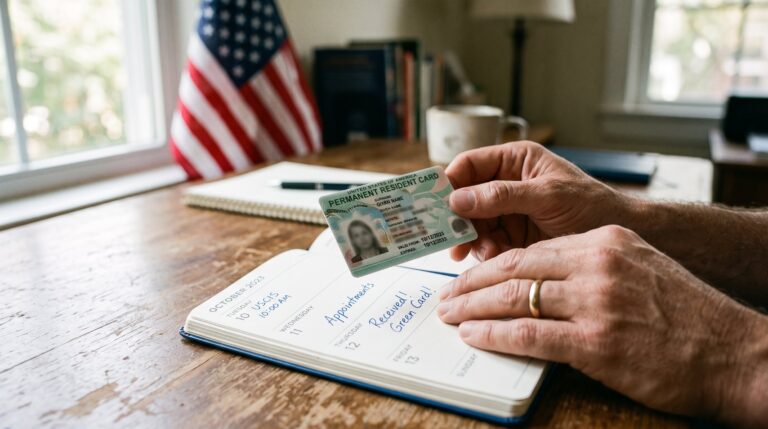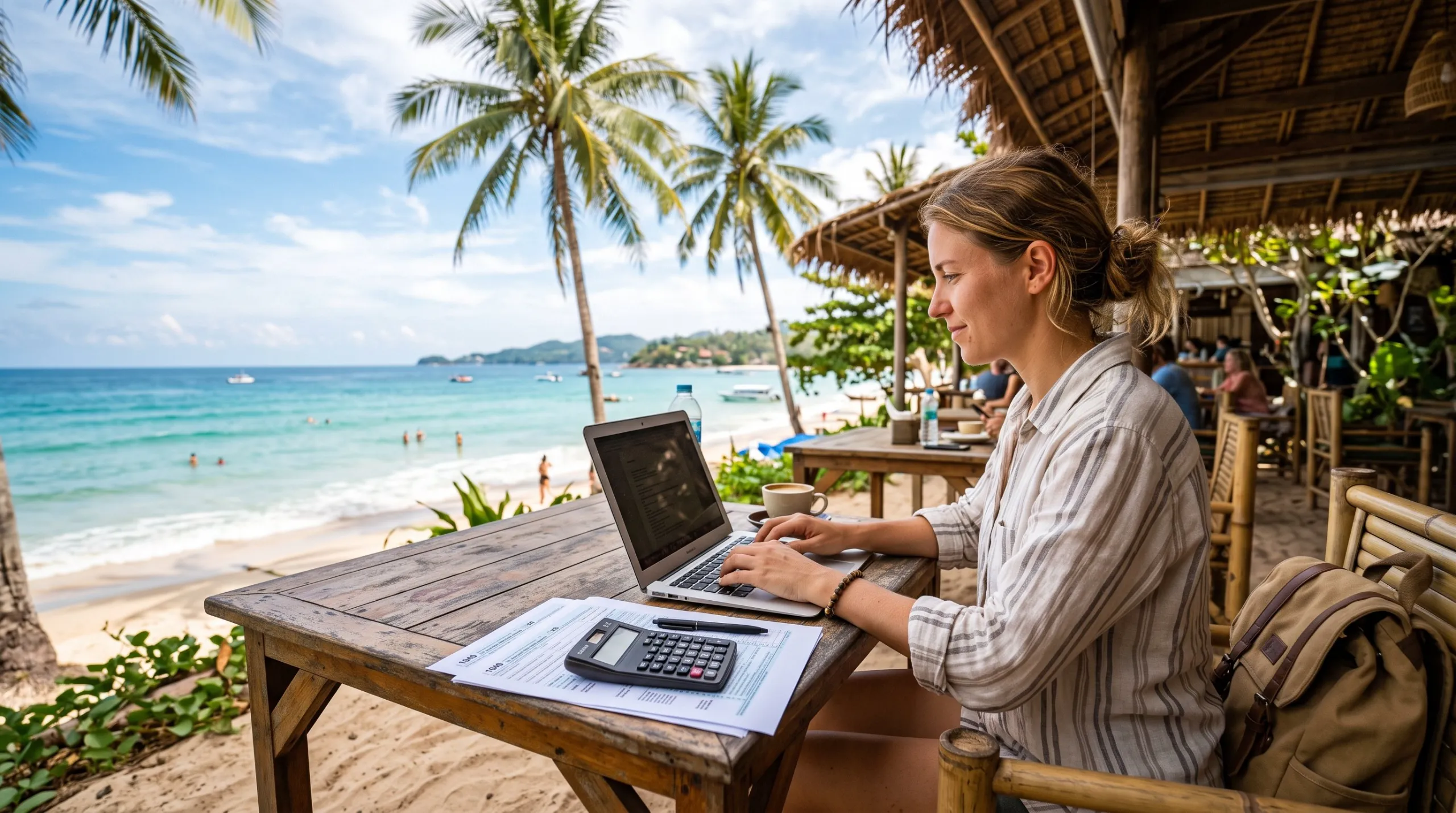

Getting a digital nomad visa solves your right to live somewhere. It does nothing to solve your taxes — and that’s the part that catches new nomads off guard, sometimes a full year later when two different tax authorities both believe they’re owed money on the same income. Tax residency rules are genuinely one of the most complex parts of the nomad lifestyle, so treat this as a starting map, not a substitute for a cross-border tax advisor.
Tax Residency Isn’t the Same as Visa Residency
Holding a digital nomad visa in a country doesn’t automatically make you a tax resident there, and it doesn’t automatically end your tax residency at home either. Most countries determine tax residency using their own independent tests — commonly a day-count threshold (often 183 days in a 12-month period), but sometimes also factors like where your “center of vital interests” is (family, property, primary bank accounts). It’s entirely possible to be considered a tax resident of two countries at once under their respective rules — which is exactly how double taxation happens.
The Three Tools That Prevent Double Taxation
- Tax treaties. Many country pairs have a bilateral tax treaty with “tie-breaker” rules that decide which country gets primary taxing rights when you’d otherwise qualify as a resident of both. Check whether one exists between your citizenship country and each country you spend significant time in.
- Foreign tax credits. If you do end up owing tax in two places, most systems let you credit tax paid to one country against what you owe the other, rather than paying the full amount twice.
- Exclusions for citizens abroad. Some countries offer their citizens an exclusion on foreign-earned income up to a threshold when living abroad and meeting residency tests — a well-known example is the US Foreign Earned Income Exclusion, but the details, thresholds, and eligibility tests are specific to each country’s tax code and change periodically, so confirm the current rule directly rather than assuming last year’s figure still applies.
The 183-Day Rule Isn’t as Simple as It Sounds
“Stay under 183 days and you’re fine” is the most common (and most oversimplified) piece of nomad tax advice. In reality: some countries count partial days as full days, some measure a rolling 12-month window rather than a calendar year, some apply the test per country while others look at your total days outside your home country regardless of where, and a handful of countries use a much shorter threshold or a completely different test (like South Africa’s “physical presence test,” which is more complex than a single day count). Track your actual travel days carefully — a spreadsheet with entry/exit stamps is not overkill, it’s the difference between a clean tax filing and an expensive surprise.
Practical Steps Before You Commit to a Long Stay
- Confirm your home country’s specific test for ending tax residency — some require more than just being physically absent.
- Check whether a tax treaty exists between your home country and your destination, and what its tie-breaker rules say.
- Keep a day-by-day travel log from day one, not retroactively.
- Talk to a tax advisor who specifically handles cross-border/expat cases before your first full tax year abroad, not after.
Our Digital Nomad Visa Toolkit includes a tax-residency primer alongside the visa comparison across 25 countries, so you can see roughly how a destination’s tax posture stacks up before you shortlist it — though for your actual filing, a qualified advisor remains essential given how country-specific and fast-changing these rules are.
Frequently Asked Questions
Do I owe tax in a country I only visited for a few weeks?
Usually not on your foreign income, but rules vary — some countries have very short thresholds for specific types of income (like local-source income), so a short visit is generally lower-risk but not automatically exempt from every possible tax obligation.
Does my employer need to do anything differently if I work from abroad?
Potentially yes — depending on how long you stay and what you do, your presence can sometimes create a “permanent establishment” tax obligation for your employer in that country, which is a business-level issue separate from your personal taxes. This is worth raising with your employer’s finance or legal team before an extended stay, not something to assume is your problem alone.
Is there a single country with genuinely zero tax on foreign remote income?
A handful of jurisdictions offer favorable or zero tax on foreign-sourced income for qualifying residents, but “zero tax” claims should always be verified against the current official rule, since programs are added, changed, and closed with some regularity.
Related reading: South Africa Digital Nomad Visa 2026 · Work Authorization for Remote Workers · The Digital Nomad Visa Toolkit
Official sources to check before you apply or travel
- GOV.UK foreign travel advice (entry requirements by country)
- Government of Canada travel advice and advisories
Visa rules, fees, processing times and entry requirements change often. Always confirm the current requirements on the official government website, or with the embassy or consulate, before you apply, pay or travel. One Visa Center is an independent information site, not a law firm or government agency, and this article is not legal advice. Read how we research, fact-check and use AI tools in our Editorial Policy.
Get visa, passport, and travel-planning guides like this one sent straight to your inbox — plus first access to new country guides and scholarship roundups.