
Plenty of visa applications — work permits, some study permits, immigration sponsorships, and certain professional licenses — ask for an FBI background check (technically an FBI Identity History Summary). If you’re already living outside the US when you need one, the process isn’t obvious: you can’t just walk into an FBI office abroad. Here’s exactly how it works from outside the country.
What an FBI Background Check Actually Is
An FBI Identity History Summary (often just called an “FBI background check”) is a record based on fingerprint submissions the FBI has on file, showing any US arrests or convictions associated with your fingerprints. It’s different from a local police clearance certificate from your home country — a destination country’s immigration authority may ask for both, since one covers US history and the other covers everywhere else you’ve lived.
How to Request One From Outside the US
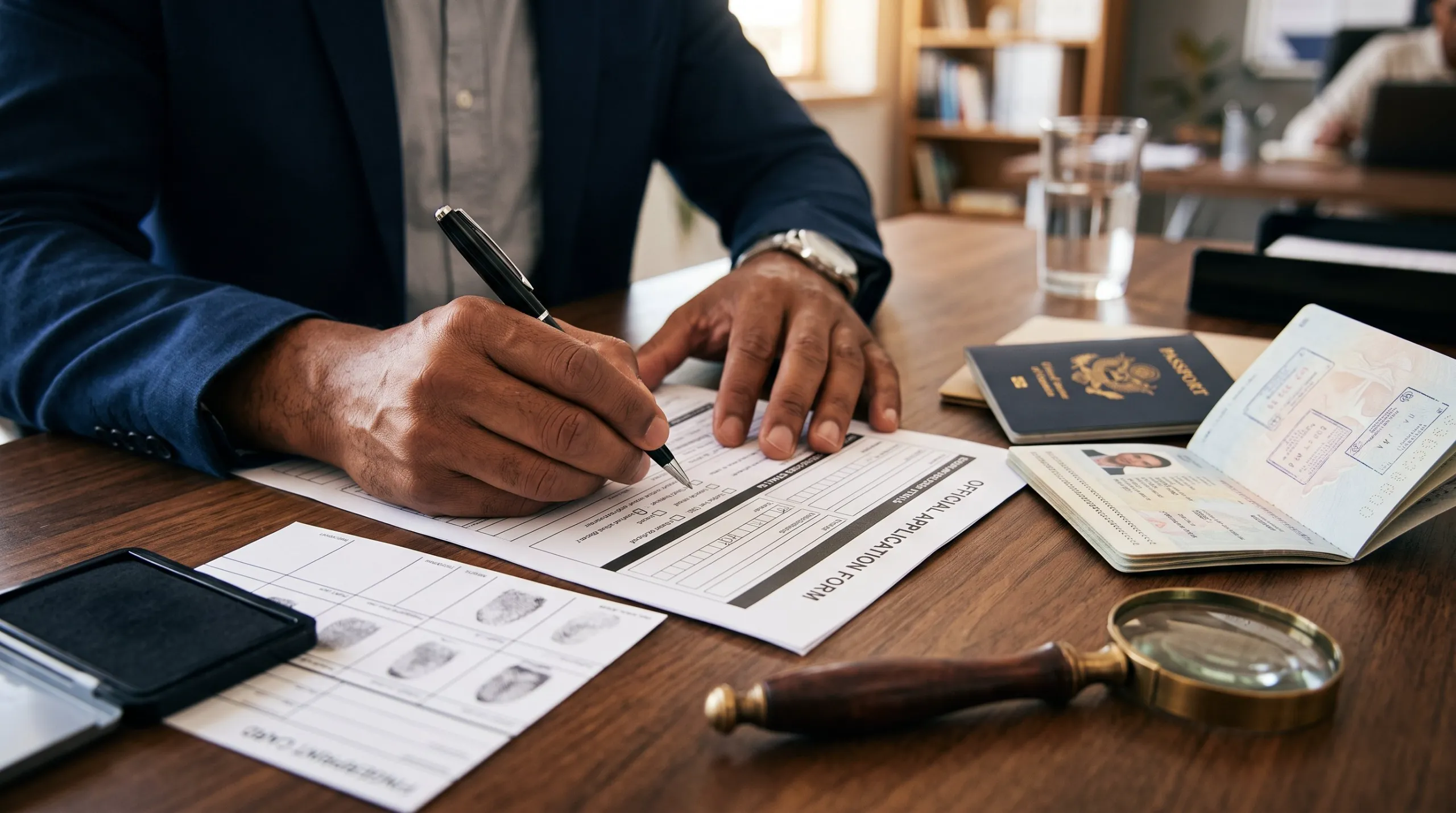
- Get fingerprinted. You need a proper FD-258 fingerprint card or an FBI-approved Channeler’s electronic fingerprint service. Many US embassies and consulates offer fingerprinting services for citizens abroad — check with your nearest one first, since it’s usually the simplest option.
- Choose direct submission or a Channeler. Submitting directly to the FBI by mail is cheaper but slower (often several weeks to a few months). An FBI-approved Channeler processes electronically submitted prints much faster, usually within a few business days, for a higher fee.
- Pay the fee. Direct FBI submissions require a fee via check, money order, or credit card form; Channelers set their own (higher) pricing on top of the FBI’s base fee.
- Receive your result. You’ll get either an official FBI-issued document (for direct submissions) or a Channeler-certified version, depending on the route you used.
Apostille: The Step People Forget
Most foreign immigration authorities won’t accept a plain FBI background check — they require it to be apostilled (or authenticated, for non-Hague Convention countries) before it’s considered a valid legal document abroad. The FBI does not apostille documents itself; you need to send the result to the US Department of State’s Office of Authentications after receiving it. Build this extra step — and its extra processing time — into your timeline, since it routinely catches applicants off guard right before a visa deadline.
Realistic Timelines
| Step | Typical Time |
|---|---|
| Direct FBI mail submission → result | 3-13 weeks |
| FBI-approved Channeler → result | 3-5 business days |
| Apostille via Dept. of State (by mail) | Several additional weeks |
| Apostille via expedited/in-person service | 1-2 business days where available |
If you’re pulling together your full document file for a visa or scholarship-to-visa transition, our scholarship-to-student-visa bridge guide covers the full set of documents international students typically need to gather, including where a background check usually fits into that list.
Frequently Asked Questions
How long is an FBI background check valid for?
The FBI itself doesn’t set an expiration date, but most receiving countries and institutions require the document to be dated within 3-6 months of submission — check the specific requirement of whoever is requesting it.
Do I need an FBI check if I’ve never lived in the US?
Generally no — it’s typically requested specifically because you have (or may have) a US record, most often because you previously lived, worked, or studied there. If you’ve never been to the US, a destination country usually only asks for background checks from countries where you’ve actually resided.
Can someone else submit the request on my behalf?
Fingerprinting has to be done in person (it’s your physical fingerprints), but a Channeler service or an attorney can often handle the paperwork and submission logistics for you once the fingerprint card is ready.
Related reading: From Scholarship Offer to Student Visa: The Complete Bridge Guide · Farm Worker Jobs in Canada With Visa Sponsorship
Official sources to check before you apply or travel
Visa rules, fees, processing times and entry requirements change often. Always confirm the current requirements on the official government website, or with the embassy or consulate, before you apply, pay or travel. One Visa Center is an independent information site, not a law firm or government agency, and this article is not legal advice. Read how we research, fact-check and use AI tools in our Editorial Policy.
Get visa, passport, and travel-planning guides like this one sent straight to your inbox — plus first access to new country guides and scholarship roundups.