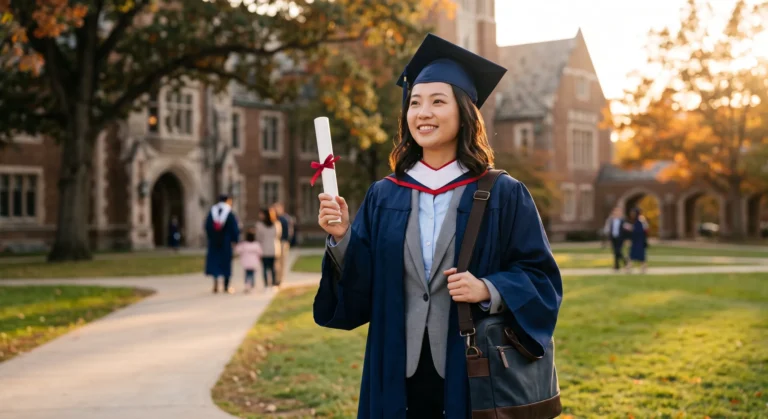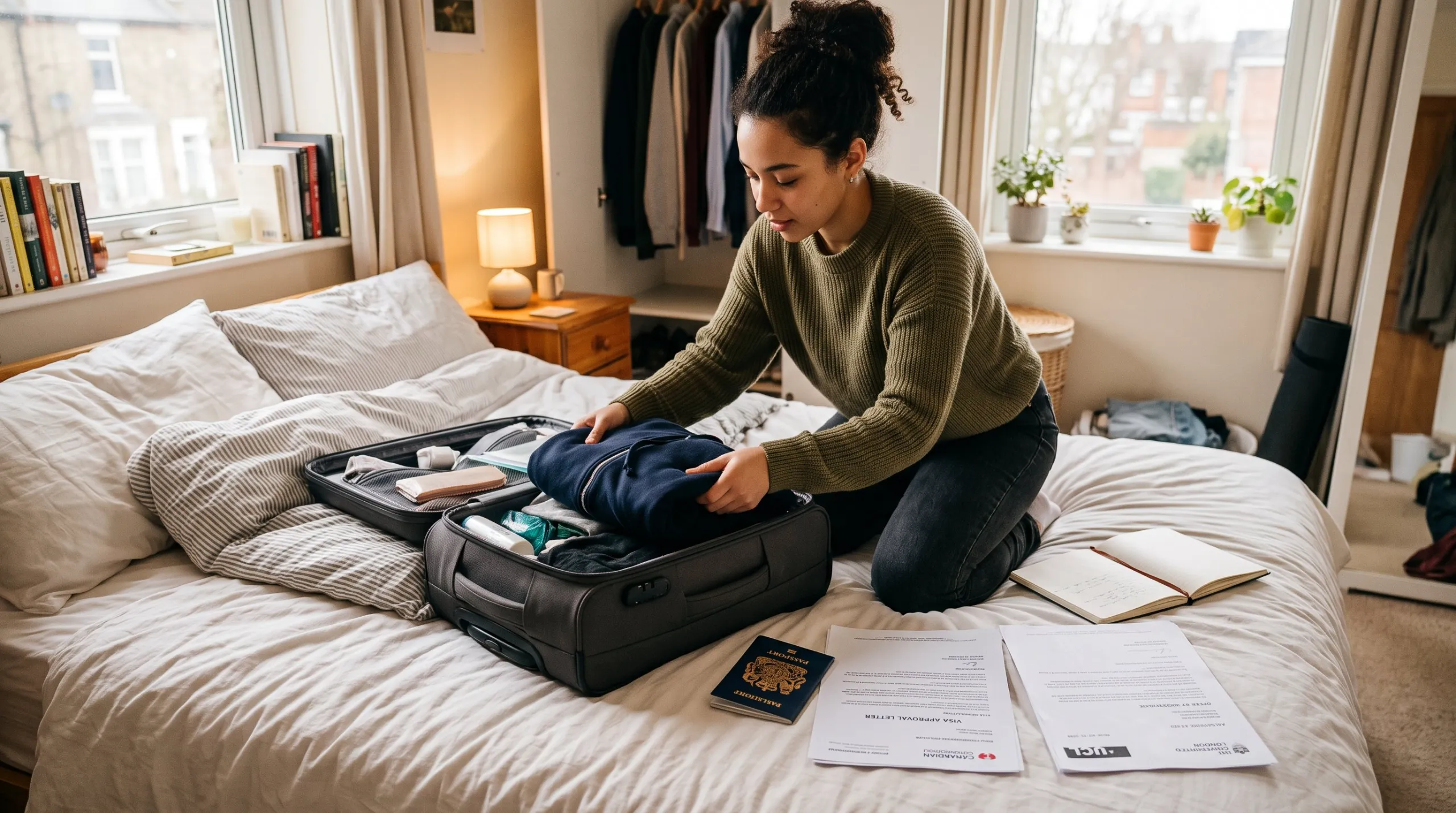

Winning a scholarship feels like the finish line — but for international students, it’s actually the starting gun for a second, entirely separate process: the student visa application. Every year, students lose months (and occasionally their spot) because they treated the scholarship award letter as the end of the paperwork instead of the beginning. Here’s exactly how the two processes connect, in order.
Step 1: Get Your Formal Documents From the University
A scholarship award email is not enough to apply for a visa. Immigration authorities need two specific documents before they’ll even look at your application:
- An official admission letter from the university, confirming your enrollment, program, and start date
- A financial guarantee letter from the scholarship provider or university, confirming exactly what’s covered (tuition, living costs, etc.) and for how long
Some countries also require a specific visa-eligible enrollment certificate — for example the U.S. Form I-20 or the UK’s CAS (Confirmation of Acceptance for Studies) — which is different from a general admission letter. Ask your university’s international office specifically for “the document my embassy needs for the visa application,” not just proof of admission.
Step 2: Confirm the Financial Requirement Gap
Most student visa applications require proof of funds beyond what the scholarship covers — even a “fully funded” scholarship. Common gaps include:
- A cash buffer immigration officers require you to show in your own bank account, even if your tuition and stipend are fully covered
- Costs the scholarship doesn’t include, such as a return flight home during holidays, or dependents accompanying you
- A gap between when the scholarship’s first stipend payment arrives and when you need funds on arrival
Check your destination country’s exact visa financial requirement early — it’s a fixed, published figure in most countries, and immigration officers will refuse an application that’s short by even a small margin.
Step 3: Apply for the Visa — Don’t Wait for the Semester to Get Close
Student visa processing times vary enormously by country and by how busy the embassy is during peak intake season (usually June–August for a September start). Applying the moment you have your admission and funding letters — rather than waiting until a month before travel — gives you room to handle:
- A request for additional documents or an interview
- A visa refusal that needs to be appealed or reapplied
- Delays in biometrics or visa center appointment availability, which are common in peak season
For a country-by-country breakdown of what the visa process actually looks like once you have your admission letter in hand, see our guide to student visas for African students in 2026.
Step 4: Know What Your Scholarship Doesn’t Cover Visa-Wise
A scholarship pays for your education — it doesn’t automatically handle immigration logistics. Things that remain entirely your responsibility even with full funding:
- Visa application and biometrics fees (some scholarships reimburse these — check your award letter, don’t assume)
- Health insurance that meets the visa country’s specific requirements, which may differ from what the scholarship’s standard insurance covers
- Proof of accommodation arranged before arrival, required by some countries as part of the visa file
- A return ticket or onward travel proof, sometimes required at the border even with a valid student visa
Step 5: Plan the Handoff Between Scholarship Funding and Visa Status
Your visa is typically tied to your enrollment status, not directly to your scholarship. If a scholarship is only guaranteed for the first year with renewal contingent on academic performance, your visa may still be issued for the full program length — but losing the scholarship doesn’t automatically end your visa, and keeping the visa doesn’t guarantee the scholarship renews. Read the renewal conditions in your award letter carefully, and know your fallback funding options before you need them.
Quick Reference: What to Have Ready Before You Apply for Your Visa
| Document | Who Provides It | Why the Embassy Wants It |
|---|---|---|
| Admission/enrollment letter | University | Confirms you have a genuine place on a real program |
| Financial guarantee/scholarship letter | Scholarship provider or university | Proves tuition and living costs are covered |
| Proof of additional funds (if required) | You / your bank | Covers gaps the scholarship doesn’t include |
| Health insurance confirmation | You, university, or insurer | Meets the destination country’s specific visa requirement |
| Passport valid well beyond your program length | You | Most countries require 6+ months of validity beyond your stay |
If your passport is close to expiring or you’re not sure it meets your destination’s validity requirement, check our guide to passport strength and validity rules in 2026 before you submit your visa application — a passport issue is one of the most common and most avoidable reasons a student visa application gets delayed.
Related reading: Fully Funded Scholarships for African Students in 2026/2027 · Student Visas for African Students: Country-by-Country Guide · Best Countries for International Students in 2026
Official sources to check before you apply or travel
- GOV.UK foreign travel advice (entry requirements by country)
- Government of Canada travel advice and advisories
Visa rules, fees, processing times and entry requirements change often. Always confirm the current requirements on the official government website, or with the embassy or consulate, before you apply, pay or travel. One Visa Center is an independent information site, not a law firm or government agency, and this article is not legal advice. Read how we research, fact-check and use AI tools in our Editorial Policy.
Get visa, passport, and travel-planning guides like this one sent straight to your inbox — plus first access to new country guides and scholarship roundups.