The Ultimate Guide to Pillow Travel: Comfort on the Go
Traveling often brings new adventures, but it can also bring discomfort, especially when it comes to sleep. Long flights, bumpy car rides, or even just waiting in an airport can leave your neck and back feeling stiff and tired. This is where pillow travel comes becomes essential. It’s not just about carrying a pillow; it’s about smart planning to ensure you stay rested and ready for anything your trip throws at you.
Imagine arriving at your destination feeling refreshed and energized, instead of needing a nap to recover from the journey. A well-chosen travel pillow can make all the difference, transforming uncomfortable seats into cozy resting spots. It’s a small investment that pays off big in terms of your overall travel experience and well-being. Let’s explore how to master the art of pillow travel and make every journey a comfortable one.
Key Takeaways: Your Expert Insights for Pillow Travel
- Right Pillow, Right Trip: Different travel scenarios (flight, road trip, camping) demand specific pillow types for optimal comfort and support.
- Material Matters: The core material of your travel pillow, whether memory foam, inflatable, or microbead, directly impacts its comfort, support, and portability.
- Ergonomic Design is Key: Look for pillows designed to cradle your neck and head naturally, preventing strain and promoting healthy sleep posture while seated.
- Portability & Hygiene: A great travel pillow is easy to pack and keep clean, ensuring it’s always ready for your next adventure.
- Invest in Quality: A durable, high-quality travel pillow is a worthwhile investment that significantly enhances your comfort and reduces fatigue on any journey.
Why Pillow Travel Matters for Every Journey
Traveling can be exciting, but it often involves sitting for long periods in less-than-ideal positions. This can lead to neck pain, back stiffness, and overall fatigue. A good travel pillow helps support your head and neck, keeping your spine in a more natural alignment. This simple act can prevent a lot of discomfort.
Think about the last time you tried to sleep on a plane or in a car without proper support. It likely resulted in a sore neck and restless sleep. Pillow travel isn’t just a luxury; it’s a practical way to protect your body and enhance your travel experience. It allows you to truly rest, arriving at your destination feeling much better.
The Impact of Sleep on Travel Experience
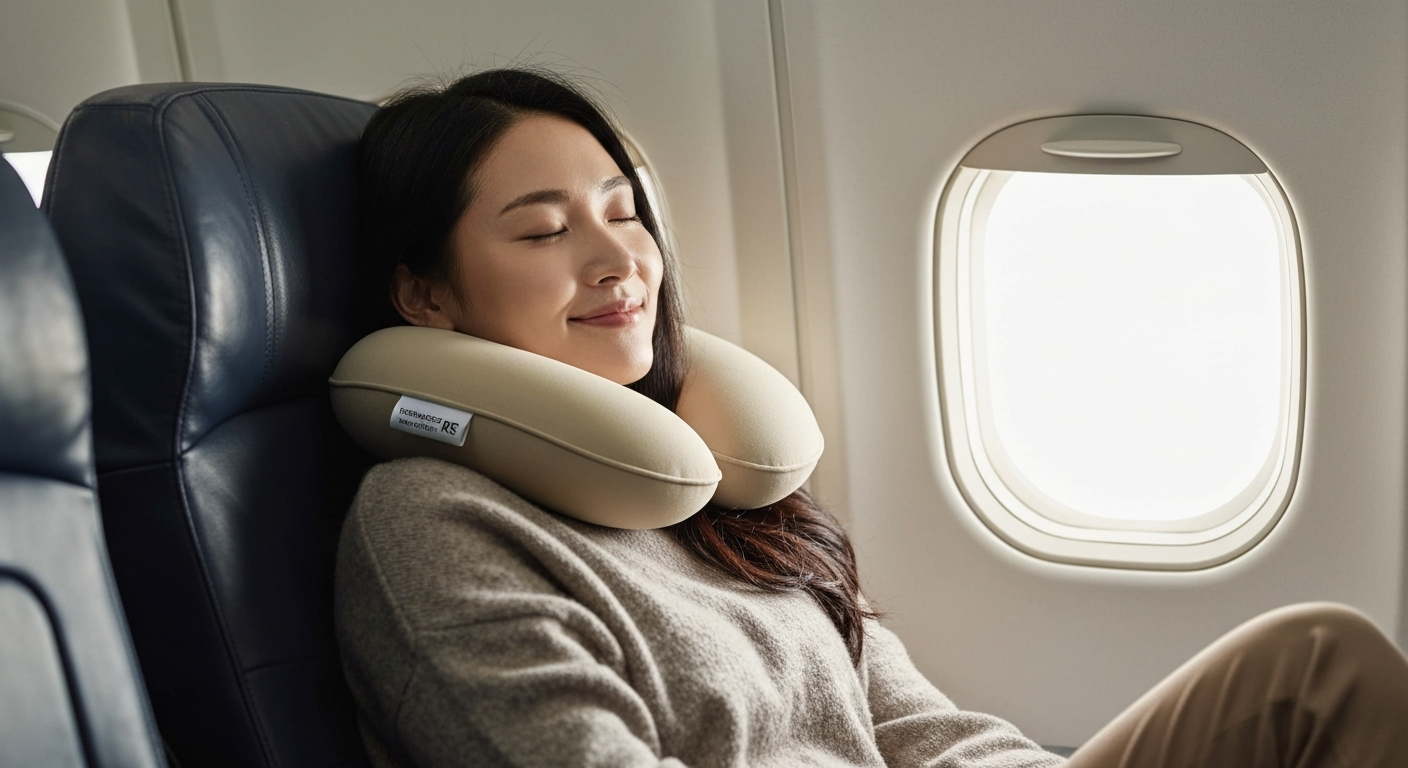
Sleep is vital for our health and mood, and this doesn’t change when we travel. Lack of sleep can make you feel grumpy, reduce your energy, and even make you more prone to illness. When you’re traveling, good sleep means you can enjoy your activities more, be more alert, and handle unexpected situations better.
Using a travel pillow helps you get better quality rest while on the move. Even short naps with proper neck support can significantly boost your energy levels. This means you’ll be more present and able to fully experience your trip, rather than constantly battling exhaustion. Prioritizing rest with a travel pillow is a smart move for any traveler.
Preventing Travel Fatigue and Discomfort
Travel fatigue is a real issue that can dampen any trip. It’s not just about feeling tired; it can also involve headaches, irritability, and muscle aches. These symptoms often come from poor posture and lack of support during transit.
A travel pillow works by providing stable support for your head and neck, preventing it from flopping around or resting in awkward positions. This reduces strain on your muscles and joints. By keeping your spine aligned, a good pillow helps prevent those nagging aches and pains that can otherwise ruin the start of your vacation or business trip. It’s a simple tool for a much more comfortable journey.
Understanding Different Types of Travel Pillows
Choosing the right travel pillow can feel overwhelming with so many options available. Each type offers unique benefits, making it suitable for different travel styles and personal preferences. Knowing the differences helps you pick the best one for your specific needs.
From classic neck pillows to versatile multi-purpose designs, there’s a pillow out there designed to make your journey more comfortable. Understanding what each offers is the first step to finding your perfect travel companion. Let’s explore the most popular kinds.
Neck Pillows: The Classic Choice
Neck pillows, often U-shaped, are perhaps the most common type of travel pillow. They wrap around your neck, providing support to prevent your head from falling forward or to the side while you sleep upright. They are especially popular for airplane and bus travel.
These pillows come in various materials, including memory foam, microbeads, and inflatable options. Memory foam offers firm, conforming support, while microbeads are lighter and more flexible. Inflatable versions are great for saving space. The classic neck pillow is a reliable choice for many travelers looking for basic head and neck stability.
Inflatable Pillows: Space Savers
Inflatable travel pillows are a favorite among minimalist travelers and backpackers. Their main advantage is their ability to deflate and pack down into a very small pouch, taking up minimal space in your luggage. This makes them incredibly convenient for those who prioritize light packing.
While they might not offer the same plush comfort as a memory foam pillow, modern inflatable designs have improved significantly. Many now feature ergonomic shapes and soft outer covers. You can also adjust their firmness by controlling how much air you inflate them with, allowing for personalized comfort. They are a practical choice for short trips or when space is at a premium.
Memory Foam Pillows: Ultimate Support
For many, memory foam travel pillows offer the gold standard in comfort and support. This material is known for its ability to mold to the shape of your head and neck, providing customized support that reduces pressure points. This contouring action helps keep your spine in proper alignment, which is crucial for preventing stiffness.
Memory foam pillows are excellent for long-haul flights or extended road trips where consistent, firm support is needed. While they tend to be bulkier than inflatable options, the superior comfort often outweighs the extra space they take up. Many come with removable, washable covers for easy cleaning, adding to their appeal for frequent travelers.
Multi-Purpose Pillows: Versatility on the Go
Multi-purpose travel pillows go beyond the traditional U-shape, offering flexible designs that can be used in various ways. These might include long, flexible tubes that can be twisted and shaped to support your neck, back, or even act as a headrest against a window. Some are rectangular or wedge-shaped, offering support for lumbar or leg areas.
Their versatility makes them great for travelers who need adaptable support. You can use them to prop up your tablet, cushion your lower back, or simply rest your head in a unique position. While they might require a bit more experimentation to find your preferred setup, their adaptability can be a huge advantage for different travel scenarios and sleeping preferences.
Key Features to Look for in a Travel Pillow
Choosing the best travel pillow involves more than just picking a type. Several key features contribute to a pillow’s effectiveness and your overall comfort. Understanding these features will help you make an informed decision that suits your personal travel style and needs.
From the material inside to how easy it is to clean, each detail plays a role. Let’s break down the most important aspects to consider when selecting your next travel companion.
Material Matters: Memory Foam, Microbeads, Inflatable
The core material of a travel pillow is fundamental to its performance. Memory foam offers excellent contouring support, adapting to your unique shape for personalized comfort. It’s great for firm, consistent support but can sometimes feel warm and be less compact.
Microbead pillows are filled with tiny polystyrene beads, making them lightweight and somewhat moldable. They offer softer support than memory foam and are often more affordable. However, they might not provide as much firm support. Inflatable pillows are the champions of portability, deflating to a tiny size. They offer adjustable firmness but might lack the plush feel of other materials and can sometimes be noisy if not fully inflated. Each material has its trade-offs, so consider what’s most important for your comfort.
Ergonomics and Support: Cradle Your Neck
The best travel pillows are designed with ergonomics in mind. This means they are shaped to naturally support the curves of your neck and head, maintaining proper spinal alignment. A well-designed pillow prevents your head from tilting too far forward or to the side, which is a common cause of neck pain.
Look for pillows with raised sides or a flatter back that doesn’t push your head forward. Some pillows have adjustable straps to secure them in place or provide extra support. The goal is to keep your neck in a neutral position, reducing strain and allowing your muscles to relax. Good ergonomic support is perhaps the most crucial factor for comfortable travel sleep.
Portability and Packability
For any item you travel with, portability is key. A travel pillow should be easy to carry without adding too much bulk or weight to your luggage. Inflatable pillows excel here, packing down to almost nothing. Memory foam pillows often come with compression bags that reduce their size significantly.
Consider how you’ll be carrying your pillow. Will it clip onto your backpack? Will it fit inside your carry-on? Some pillows have built-in straps or snaps for easy attachment to luggage. A pillow that’s too cumbersome might end up being left behind, defeating its purpose. Choose one that fits seamlessly into your travel routine.
Washability and Hygiene
Travel environments can be less than perfectly clean, and your pillow will be in direct contact with your face and neck. Therefore, washability and hygiene are very important. Look for pillows with removable, machine-washable covers. This allows you to easily clean off sweat, dirt, and germs after each trip.
Some pillows are entirely washable, which is an added bonus for thorough cleaning. Keeping your travel pillow clean not only promotes better hygiene but also extends its lifespan. A fresh, clean pillow contributes significantly to a more pleasant and healthy travel experience, especially if you’re a frequent traveler.
How to Choose the Perfect Travel Pillow for Your Trip
With various types and features, selecting the perfect travel pillow requires a bit of thought. Your choice should align with the kind of trip you’re taking and your personal comfort needs. What works for a long flight might not be ideal for a camping trip.
Consider the mode of transport, the duration of your journey, and how much space you have available. By matching the pillow to your specific travel scenario, you can ensure maximum comfort and support. Let’s look at how to pick the right pillow for different adventures.
Air Travel: Long-Haul Comfort
For air travel, especially long-haul flights, comfort is paramount. You’ll likely be sitting upright for many hours, making neck support crucial. Memory foam neck pillows are often the top choice here due to their superior support and ability to conform to your neck.
Look for designs that prevent your head from slumping forward or to the side. Some advanced neck pillows even offer chin support. While inflatable options are compact, the consistent comfort of memory foam is usually preferred for extended periods. Consider features like soft, breathable covers to stay cool and comfortable in the airplane cabin. This is where investing in quality truly pays off.
Road Trips: Support for the Driver and Passenger
Road trips offer more flexibility than air travel, but comfort is still key, especially for long hours in a car. For passengers, a multi-purpose pillow can be excellent, allowing you to shift positions and find comfort against the window or for lumbar support. A traditional memory foam neck pillow is also a solid choice for napping.
Drivers often don’t need a neck pillow in the same way, but a small lumbar support pillow can make a huge difference in preventing back fatigue. It’s about maintaining good posture over many miles. Ensure any pillow for a driver does not interfere with their ability to safely operate the vehicle. For both, consider materials that are easy to clean from spills or crumbs.
Camping and Outdoors: Compact and Durable
When camping or engaging in outdoor adventures, your pillow needs to be rugged, compact, and lightweight. Inflatable pillows are ideal for this environment. They pack down incredibly small, leaving more room for essential gear, and are often made from durable, water-resistant materials.
Some camping pillows are designed to attach to sleeping pads, preventing them from sliding away during the night. While comfort might not be as plush as a memory foam option, the practical benefits of portability and durability are unmatched. Look for easy-to-clean surfaces and quick inflation/deflation mechanisms for convenience in the wild.
Train and Bus Journeys: Adapting to Tight Spaces
Train and bus journeys often involve tight spaces and variable seating. Here, a combination of portability and adaptable support is beneficial. An inflatable neck pillow is a strong contender, offering adjustability and easy storage when not in use. Its compact nature means it won’t clutter your limited personal space.
Alternatively, a microbead neck pillow can also work well due to its lightweight and flexible nature, offering a softer, more conforming feel without the bulk of memory foam. The key is finding a pillow that provides adequate support without making you feel cramped in a confined seat. Consider a pillow with a carrying case that can be easily attached to your bag.
Maximizing Your Travel Pillow’s Benefits
Simply owning a travel pillow isn’t enough; knowing how to use it correctly and care for it will ensure you get the most out of your investment. Proper usage enhances its comfort and effectiveness, while good maintenance extends its life and keeps it hygienic.
There are also ways to combine your pillow with other travel accessories to create an even more comfortable personal space. Let’s dive into some expert tips to truly maximize the benefits of your travel pillow and elevate your journey.
Proper Usage Techniques
Using your travel pillow correctly can significantly impact your comfort. For U-shaped neck pillows, traditionally you place the open part at the front, with the bulk of the pillow supporting the back of your neck. However, many find more support by turning the pillow around, so the open part is at the back of the neck and the bulk supports their chin. This prevents your head from falling forward.
For inflatable pillows, experiment with different inflation levels to find your perfect firmness. Don’t overinflate, as this can make it too hard and uncomfortable. With multi-purpose pillows, try different configurations until you find one that best supports your head, neck, or lower back for your specific seating position. The goal is to keep your spine aligned and muscles relaxed.
Combining with Other Travel Comforts
Your travel pillow is a fantastic start, but it can be even better when combined with other comfort accessories. An eye mask can block out light, helping you fall asleep faster and stay asleep longer, especially in bright travel environments. Earplugs or noise-canceling headphones can mute engine hum, chatter, and other distractions, creating a peaceful personal oasis.
Consider a soft, lightweight travel blanket for warmth, as airplane cabins and bus interiors can often be chilly. A comfortable pair of compression socks can improve circulation on long journeys. Together, these items create a complete comfort kit, allowing you to truly relax and arrive refreshed, no matter the destination.
Maintenance and Care Tips
To ensure your travel pillow lasts and remains hygienic, proper maintenance is crucial. Always check the care label for specific cleaning instructions. Most pillows with removable covers can be machine washed on a gentle cycle with mild detergent. For pillows without removable covers, spot cleaning with a damp cloth and mild soap is usually recommended.

Allow your pillow to air dry completely before packing it away to prevent mildew or odors. For inflatable pillows, ensure they are fully deflated and dry before storing. Regularly cleaning your travel pillow not only keeps it fresh but also removes allergens and bacteria, contributing to a healthier travel experience. A well-cared-for pillow will be your trusted travel companion for years.
Comparison Table: Choosing Your Ideal Travel Pillow
| Pillow Type | Pros | Cons | Best For |
| **Memory Foam Neck** | Excellent support, molds to neck, very comfortable | Can be bulky, retains heat, slower to pack | Long flights, sensitive necks, premium comfort |
| **Inflatable Neck** | Very compact, adjustable firmness, lightweight | Less plush than foam, can puncture, slightly noisy | Backpackers, short trips, space-saving |
| **Microbead Neck** | Lightweight, conforms somewhat, affordable | Less firm support, can feel lumpy, less durable | Budget travelers, kids, flexible comfort |
| **Multi-Purpose** | Highly versatile (neck, lumbar, head), adaptable | Can be more expensive, takes practice to adjust | All-around use, varied sleeping positions, car travel |
Conclusion
Pillow travel is truly about transforming your journeys from tiresome to tranquil. By understanding the different types of pillows, their key features, and how to choose and care for them, you can significantly enhance your comfort and well-being while on the go. Whether you’re embarking on a long-haul flight, a scenic road trip, or an adventurous camping excursion, the right travel pillow is your secret weapon against fatigue and discomfort.
Investing in a quality travel pillow is an investment in your travel experience. It ensures you arrive at your destination feeling refreshed, energized, and ready to embrace new experiences. So, the next time you plan a trip, remember to pack your passport, your bags, and most importantly, your perfect travel pillow. Happy travels, and may your journeys always be comfortable and restful!
Frequently Asked Questions (FAQ)
What is the best material for a travel pillow?
The best material depends on your priorities. Memory foam offers the best support and comfort, molding to your neck. Inflatable pillows are great for portability and adjustable firmness. Microbeads are lightweight and offer soft, flexible support. For long-haul comfort, memory foam is often preferred, while inflatable is best for space-saving.
Are inflatable travel pillows comfortable?
Yes, modern inflatable travel pillows can be quite comfortable. While they may not have the plush feel of memory foam, their key advantage is adjustable firmness. You can inflate them to your desired level of support. They are an excellent choice for travelers who prioritize portability and packability over luxurious softness.
How do I clean my travel pillow?
Most travel pillows come with removable covers that are machine washable. Always check the care label first. If the cover is not removable, spot clean the pillow with a damp cloth and mild soap. Allow the pillow to air dry completely before storing to prevent mold or mildew. Regular cleaning keeps your pillow fresh and hygienic.
Can I use a travel pillow for everyday neck support?
Yes, many people use travel pillows for everyday neck support, especially if they spend a lot of time sitting upright, such as at a desk or watching TV. A good travel pillow can help maintain proper neck alignment and reduce strain in these situations. However, for continuous daily use, you might consider a dedicated ergonomic pillow designed for home use.
What’s the difference between a travel pillow and a regular pillow?
The main difference is their design and purpose. Travel pillows are specifically designed to provide neck and head support while sitting upright in confined spaces, focusing on portability and ergonomic shape. Regular pillows are typically larger, designed for lying down in a bed, and offer broader head and shoulder support for a prone sleeping position.