The Ultimate Italy Travel Guide: Plan Your Dream Trip Today
Italy, a land where history whispers from ancient ruins and art breathes in every piazza, calls out to travelers worldwide. From the romantic canals of Venice to the sun-drenched coasts of Sicily, this captivating country offers an experience unlike any other. Planning a trip to Italy can feel overwhelming with so much to see and do. However, with the right guidance, your Italian dream vacation is not only possible but also truly enjoyable.
This comprehensive guide is designed to make your journey through Italy seamless and memorable. We will cover everything from the best times to visit and how to navigate its charming cities, to savoring its world famous cuisine and understanding local customs. Prepare to immerse yourself in the rich culture, breathtaking landscapes, and unparalleled hospitality that only Italy can offer. Let us help you craft the perfect itinerary for your unforgettable Italian adventure.
Key Takeaways for Your Italian Journey
- Strategic Planning: Book accommodations and high demand attractions well in advance, especially during peak seasons, to secure the best prices and availability.
- Embrace Public Transport: Italy boasts an excellent train network. It is often the most efficient and scenic way to travel between major cities, avoiding traffic and parking hassles.
- Savor Local Cuisine: Move beyond tourist traps. Seek out trattorias and osterias for authentic, regional dishes and a true taste of Italy.
- Learn Basic Italian Phrases: A few simple Italian words can greatly enhance your interactions with locals and show respect for the culture.
- Pace Yourself: Italy offers endless wonders. Do not try to see everything in one go. Allow time for leisurely strolls, coffee breaks, and simply soaking in the atmosphere.
Why Italy Captivates Every Traveler
Italy’s enduring appeal lies in its unique blend of ancient heritage, artistic masterpieces, delectable food, and diverse natural beauty. It is a country that consistently ranks high on every traveler’s bucket list, and for good reason. Each region offers a distinct flavor and a new story to discover, promising an adventure that caters to every interest and passion.
A Tapestry of History and Art
Italy is a living museum. Rome, the Eternal City, stands as a testament to the Roman Empire’s grandeur with iconic sites like the Colosseum and the Roman Forum. Florence, the cradle of the Renaissance, showcases masterpieces by Michelangelo and Leonardo da Vinci. Vatican City, an independent state within Rome, houses the stunning St. Peter’s Basilica and the Sistine Chapel. From ancient Pompeii to the Uffizi Gallery, history and art are woven into the very fabric of Italian life, offering endless opportunities for exploration and wonder.
Culinary Delights Beyond Compare
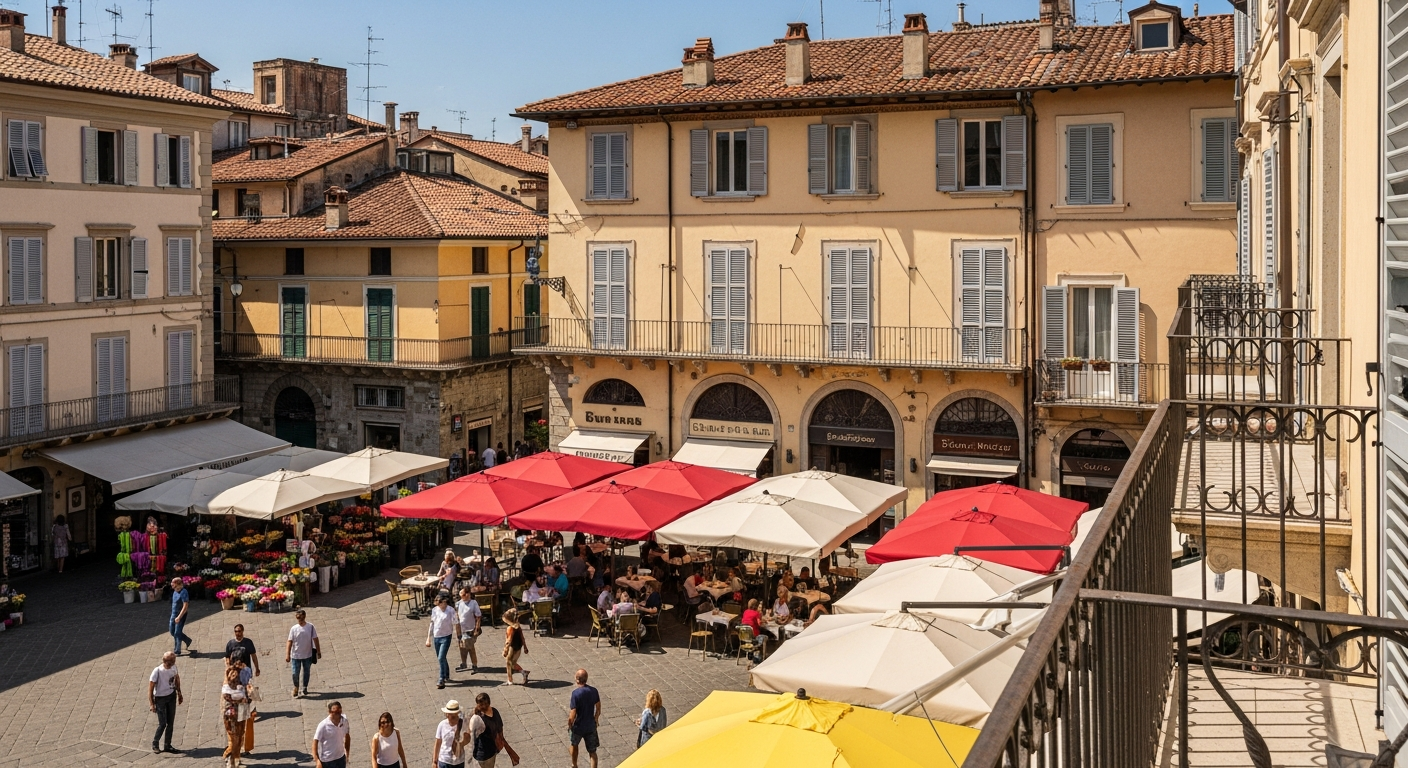
Italian cuisine is world renowned, and for good reason. It is a celebration of fresh, local ingredients and time honored traditions. Each region boasts its own specialties, from the rich pastas of Emilia-Romagna to the fresh seafood of the Amalfi Coast. Pizza in Naples, gelato in Florence, and tiramisu everywhere are just the beginning. Eating in Italy is not just about sustenance; it is a cultural experience, a social event, and a true joy for the senses.
Diverse Landscapes and Enchanting Cities
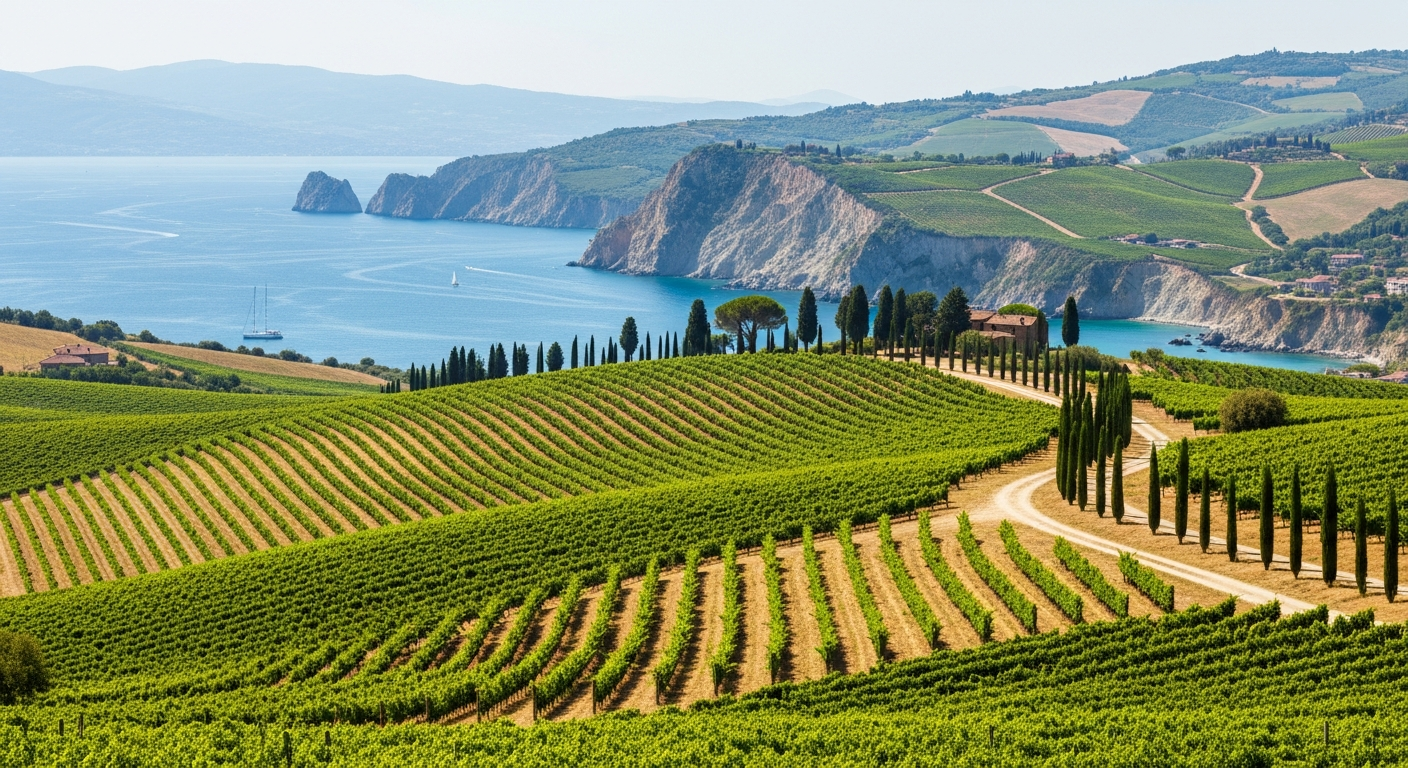
Italy’s geography is as varied as its history. You can ski in the Dolomites, relax on the sandy beaches of Sardinia, hike through the colorful villages of Cinque Terre, or explore the rolling vineyards of Tuscany. The bustling metropolises like Milan offer high fashion and modern design, while smaller towns like Siena transport you back to medieval times. This incredible diversity ensures that there is always a new landscape or cityscape to enchant you, no matter where your interests lie.
Planning Your Italian Adventure: Essential First Steps
Careful planning is the cornerstone of any successful trip, and Italy is no exception. Thinking ahead about when to go, what documents you need, and how much to budget will save you stress and enhance your enjoyment.
Best Time to Visit Italy
Choosing the right time to visit Italy can significantly impact your experience. Each season offers unique advantages and disadvantages. Consider what kind of trip you envision before deciding.
- Spring (April to May): Ideal weather, blooming landscapes, and fewer crowds than summer. Perfect for sightseeing and outdoor activities. Prices begin to rise.
- Summer (June to August): Peak tourist season with hot weather, especially in the south. Expect large crowds and higher prices. Coastal areas are popular. Book everything far in advance.
- Autumn (September to October): Pleasant weather, harvest festivals, and beautiful fall foliage. Crowds start to thin out. A great time for culinary tours and vineyard visits.
- Winter (November to March): Quieter season with lower prices, especially outside of Christmas and New Year. Some attractions may have reduced hours. Ideal for city breaks, museums, and skiing in the north.
Visa and Entry Requirements
Most visitors from the United States, Canada, Australia, and the UK do not need a visa for stays up to 90 days within a 180 day period. Italy is part of the Schengen Area. Ensure your passport is valid for at least six months beyond your intended departure date. Always check the latest requirements with the Italian embassy or consulate in your country before traveling, as rules can change.
Budgeting for Your Trip
Italy can accommodate various budgets, from luxurious escapes to more economical adventures. Your daily expenses will depend on your travel style, accommodation choices, dining preferences, and activities. Here is a general breakdown to help you plan:
| Expense Category | Budget Traveler (per person/day) | Mid-Range Traveler (per person/day) | Luxury Traveler (per person/day) |
| **Accommodation** | €40 – €70 (hostel/budget B&B) | €80 – €150 (mid-range hotel) | €200+ (boutique/5-star hotel) |
| **Food** | €30 – €50 (street food/picnics) | €60 – €100 (restaurants/cafes) | €120+ (fine dining) |
| **Transportation** | €10 – €20 (public transport) | €20 – €40 (trains/some taxis) | €50+ (private transfers/rental) |
| **Activities/Tours** | €15 – €30 (free sites/basic) | €40 – €80 (museums/guided tours) | €100+ (exclusive experiences) |
| **Miscellaneous** | €10 – €20 | €20 – €40 | €50+ |
| **Total Estimated** | **€105 – €190** | **€220 – €410** | **€420+** |
Note: These are estimates. Prices can vary significantly based on the city, season, and specific choices. Always factor in extra for souvenirs and unexpected expenses.
Getting Around Italy: Transport Made Easy
Navigating Italy is generally straightforward, thanks to its well developed transportation infrastructure. Choosing the right mode of transport depends on your itinerary, budget, and preference for speed versus scenic routes.
Italy’s Excellent Train Network
Trains are often the best way to travel between Italian cities. Trenitalia and Italo offer high speed, comfortable, and reliable services connecting major hubs like Rome, Florence, Venice, and Milan. Regional trains serve smaller towns. Booking in advance, especially for high speed routes, can secure better fares. Remember to validate your ticket before boarding regional trains to avoid fines.
Driving in Italy: Is It For You?
Driving offers flexibility, especially for exploring rural areas like Tuscany or the Dolomites. However, city driving can be challenging with narrow streets, limited parking, and ZTLs (Limited Traffic Zones) that carry heavy fines if entered without permission. An International Driving Permit (IDP) is required for non-EU license holders. Consider renting a small car and relying on trains for city to city travel, then picking up a car for specific regional exploration.
Public Transport in Major Cities
Major Italian cities have efficient public transport systems including buses, trams, and metros. A single ticket is usually valid for a certain duration across different modes. Consider purchasing a day pass or multi day pass if you plan to use public transport extensively. Walking is often the best way to explore city centers, allowing you to discover hidden gems.
Must-See Destinations and Hidden Gems
Italy is packed with iconic landmarks and charming, lesser known spots. Balancing popular attractions with off the beaten path experiences will create a richer travel story.
Iconic Cities: Rome, Florence, Venice
These three cities form the backbone of many Italian itineraries, each offering a unique cultural experience.
- Rome: Explore the ancient Colosseum, marvel at the Roman Forum, toss a coin in the Trevi Fountain, and wander through the Vatican City. Do not miss a leisurely stroll through Trastevere for authentic Roman charm.
- Florence: Admire Michelangelo’s David at the Accademia Gallery, climb to the top of Brunelleschi’s Duomo for panoramic views, and cross the historic Ponte Vecchio. The Uffizi Gallery is a must for art lovers.
- Venice: Get lost in its labyrinthine canals, take a gondola ride, visit St. Mark’s Square and Basilica, and explore the Doge’s Palace. Discover the colorful island of Burano for a delightful day trip.
Coastal Wonders: Amalfi Coast, Cinque Terre
Italy’s coastline is breathtaking, offering dramatic cliffs, vibrant villages, and azure waters.
- Amalfi Coast: A UNESCO World Heritage site known for its picturesque towns like Positano, Amalfi, and Ravello. Enjoy stunning views, delicious seafood, and charming boutiques. Consider ferry travel between towns for the best vistas.
- Cinque Terre: Five colorful fishing villages perched on rugged cliffs along the Ligurian coast. Hike the scenic trails connecting the villages, enjoy fresh pesto, and swim in the Mediterranean Sea. A Cinque Terre Card provides access to trails and regional trains.
Northern Italy’s Charms: Milan, Lake Como
Northern Italy blends sophistication with natural beauty.
- Milan: Italy’s fashion and design capital. Visit the Duomo di Milano, see Leonardo da Vinci’s The Last Supper, and indulge in world class shopping. It is a hub for modern Italian culture.
- Lake Como: A stunning alpine lake surrounded by picturesque towns and luxurious villas. Take a ferry to Bellagio, Varenna, or Menaggio. Enjoy boat rides, lakeside dining, and breathtaking mountain views.
Southern Italy’s Soul: Naples, Sicily
The south offers a different pace, rich history, and incredible flavors.
- Naples: The birthplace of pizza and a vibrant, chaotic city. Explore its historic center, visit the National Archaeological Museum, and take a day trip to the ancient ruins of Pompeii and Mount Vesuvius.
- Sicily: The largest island in the Mediterranean, boasting Greek temples, Roman villas, stunning beaches, and the active volcano Mount Etna. Palermo, Syracuse, and Taormina are must visit cities, each with unique appeal.
Savoring Italy: A Gastronomic Journey
Food is integral to the Italian experience. It is about fresh ingredients, regional traditions, and sharing meals with loved ones. Prepare for a culinary adventure that will delight your palate.
Regional Specialties You Must Try
Every region of Italy prides itself on its unique dishes. In Emilia-Romagna, try tortellini and Parmigiano Reggiano. In Tuscany, savor a Florentine steak and rich Chianti wine. Naples is famous for its pizza. Sicily offers arancini and cannoli. Do not shy away from trying local markets and small family run eateries for the most authentic flavors.
Dining Etiquette and Tips
Dining in Italy is typically a leisurely affair. Dinner often starts later, around 8:00 PM or 9:00 PM. Tipping is not as mandatory as in some countries; a small tip for excellent service is appreciated, but a service charge (coperto) is often included. Remember that cappuccino is generally a breakfast drink; order an espresso after meals. Enjoy the ritual of aperitivo, pre dinner drinks with small snacks.
Coffee Culture and Aperitivo
Italian coffee culture is a world unto itself. An espresso is usually consumed standing at the bar. Learn the differences between a caffè, cappuccino, macchiato, and latte. Aperitivo is a cherished tradition, particularly in northern cities. It is a social hour before dinner where you enjoy a drink, often a spritz, accompanied by complimentary snacks. It is a wonderful way to relax and mingle before your evening meal.
Practical Tips for a Smooth Italian Experience
Beyond the sights and tastes, a few practical considerations can make your trip much smoother and more enjoyable.
Language Basics: Essential Phrases
While many Italians in tourist areas speak some English, knowing a few basic Italian phrases will go a long way. Locals appreciate the effort. Try “Ciao” (hello/goodbye), “Grazie” (thank you), “Prego” (you are welcome), “Per favore” (please), “Scusi” (excuse me), and “Parli inglese?” (Do you speak English?).
Safety and Local Customs
Italy is generally a safe country for tourists. However, like any popular destination, be aware of pickpockets, especially in crowded areas and on public transport. Keep your valuables secure. Dress respectfully when visiting churches and religious sites, often requiring shoulders and knees to be covered. Embrace the relaxed Italian pace; things may not always run exactly on schedule, and that is part of the charm.
Connectivity: SIM Cards and Wi-Fi
Staying connected is easy. You can purchase a local SIM card from providers like TIM, Vodafone, or WindTre for affordable data. Many hotels, cafes, and restaurants offer free Wi-Fi. Having mobile data is useful for navigation, translation apps, and staying in touch.
Packing Essentials
Pack light but smart. Comfortable walking shoes are a must. Bring layers, as temperatures can change throughout the day. A universal travel adapter, a portable power bank, and a small daypack are also highly recommended. Remember sun protection for warmer months and a light scarf for church visits.
“Italy is a dream that keeps returning for the rest of your life.” This timeless quote perfectly captures the lasting impact of an Italian journey. From its ancient ruins to its vibrant modern culture, Italy leaves an indelible mark on every traveler’s heart. Embrace the slow pace, savor every meal, and let the beauty of Italy wash over you.
Conclusion
Italy truly offers an unparalleled travel experience, a mosaic of history, art, culture, and gastronomy that captivates the soul. By planning thoughtfully and embracing the local way of life, your trip to this extraordinary country will be filled with unforgettable moments. Whether you are wandering through Rome’s ancient streets, cruising the Venetian canals, or indulging in a Florentine feast, Italy promises memories that will last a lifetime. Start planning your Italian adventure today and prepare to fall in love with La Dolce Vita.
Frequently Asked Questions About Traveling to Italy
Q1: Is Italy expensive to travel to?
A1: The cost of traveling to Italy can vary greatly depending on your travel style, the cities you visit, and the time of year. Major cities like Rome, Florence, and Venice tend to be more expensive than smaller towns or the southern regions. You can budget anywhere from €100 per day for a budget traveler to €400+ for a luxury experience, excluding flights.
Q2: How many days are enough to see Italy?
A2: To truly experience Italy, a minimum of 10 to 14 days is recommended. This allows you to visit 3-4 major cities or regions without feeling rushed. For a more in depth exploration, especially if you want to include both north and south, three weeks would be ideal. Shorter trips of 5-7 days are possible but would require focusing on one specific region.
Q3: What is the best way to get around Italy?
A3: For intercity travel, Italy’s high speed train network (Trenitalia, Italo) is often the most efficient, comfortable, and scenic option. Within cities, walking is excellent for exploring centers, complemented by local buses, trams, and metros. Renting a car is best for exploring rural areas like Tuscany or the Dolomites, but generally not recommended for major cities due to traffic and ZTLs.
Q4: Do I need to learn Italian before I go?
A4: While not strictly necessary, as many people in tourist areas speak some English, learning a few basic Italian phrases will significantly enhance your trip. Locals appreciate the effort, and it can lead to more authentic interactions. Phrases like “hello,” “thank you,” “please,” and “excuse me” are always helpful.
Q5: What are some must try Italian foods?
A5: Italy offers an incredible array of regional dishes. Must tries include pizza (especially in Naples), pasta dishes like cacio e pepe (Rome) or tagliatelle al ragu (Bologna), gelato, tiramisu, and regional specialties such as arancini (Sicily), pesto (Liguria), and Florentine steak (Tuscany). Do not forget to sample local wines and olive oils.