
If you are getting ready for your first trip abroad, visa rules can feel confusing and scary. A clear guide makes it easier to know what you need, what to expect and how to avoid mistakes that cause delays or refusals.
Key Takeaways
- A visa is official permission to enter a country for a purpose like tourism, study or work, and many countries need it before you travel.
- You must check the visa rules for your passport, prepare documents like passport, photos, proof of funds and bookings, and follow the embassy’s instructions closely.
- Start early, use only official government or trusted visa center sites, and keep copies of every document you submit.
- Even if a country is visa free for you, it may still check return ticket, hotel details, money proof and health rules when you arrive.
What Is A Visa And Do You Need One
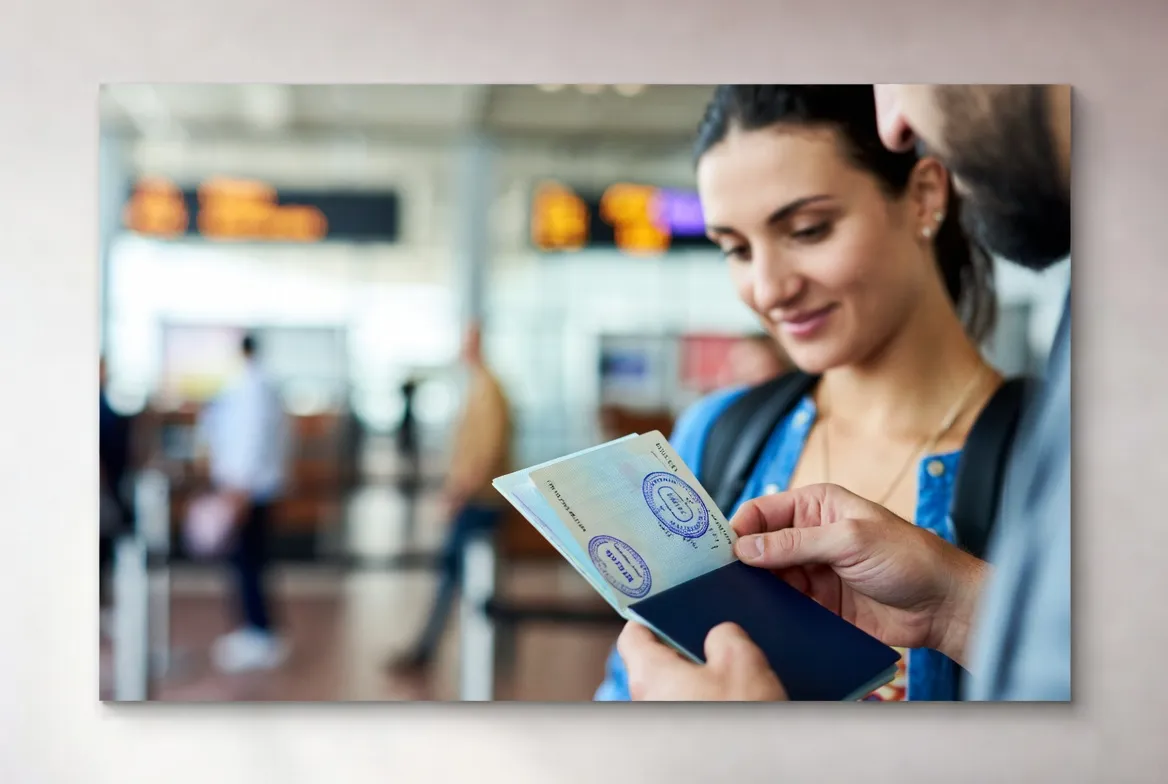
A visa is a stamp, sticker or digital approval that says you are allowed to enter a country for a set time and reason. It does not promise entry, but it shows that a consular officer reviewed your case before you travel.
Common Visa Types For Beginners
- Tourist visa for holidays and visiting friends or family.
- Business visa for meetings, events and short work trips, not full employment.
- Student visa for long term study at a school or university.
You may need to apply before your trip, or you might get an eVisa or visa on arrival, depending on your passport and destination.
Basic Visa Requirements Every Beginner Should Know
Even though each country has its own rules, most visitor visas ask for similar core items.
Standard Documents
- Valid passport, usually with at least six months left after your trip and blank pages.
- Completed visa application form, online or on paper.
- Recent passport size photos that follow the embassy’s photo rules.
- Visa fee payment receipt.
Trip And Money Proof
- Travel itinerary, including flight details and dates.
- Proof of accommodation, like hotel bookings, rental agreement or invitation letter from a host.
- Proof of funds to show you can pay for your trip, such as bank statements, pay slips or sponsor letters.
- Travel insurance in some cases, especially for Schengen and some long trips.
Simple Visa Requirements Table For First Time Travelers
| Requirement | What It Means | Why It Matters |
|---|---|---|
| Passport validity | At least six months beyond your trip dates in many cases | Shows you can travel and return safely. |
| Application form | Online or paper questions about you and your trip | Helps embassy understand your plan. |
| Photos | Recent passport photos meeting size and background rules | Used on your visa and file. |
| Proof of funds | Bank statements, income proof, sponsor letter | Proves you can pay for travel and stay. |
| Accommodation | Hotel booking, Airbnb, invite letter, or rental | Shows where you will stay. |
| Return ticket | Flight home or onward travel booking | Proves you plan to leave on time. |
How To Check Visa Rules For Your Trip
Never guess a country’s visa rules. Check them carefully for your passport.
Where To Look
- Official embassy or consulate website for the country you want to visit.
- Official airline or travel company pages that list entry rules, such as national carriers.
- Trusted visa centers used by embassies, for example VFS or BLS International.
Travel experts advise using official government portals for visa information and applications, instead of random third party sites, because unofficial sites may be outdated or misleading.
Always select your nationality and destination on these sites, since rules change based on your passport.
Step By Step: Beginner Visa Application Process
For most first time travelers, the visa process follows a simple series of steps.
Step 1: Decide Your Purpose And Visa Type
- Choose if you are traveling for tourism, business, study or another clear reason.
- Read which visa type matches your plan, such as tourist or student.
Step 2: Check Official Requirements And Start Early
- Visit the embassy or visa center website and read the checklist.
- Start your visa process at least a few weeks, and often months, before your trip. Some guides suggest up to six months ahead for popular destinations.
Step 3: Prepare Your Documents
- Collect passport, photos, bank statements, work or school letters, travel bookings and any extra items listed.
- Keep copies of everything in a safe folder and digital backup.
Step 4: Fill The Application Carefully
- Answer every question honestly and clearly, matching your documents.
- Check spelling of your name, passport number, dates and addresses before you submit.
Step 5: Book Appointment And Submit
- Book an appointment if needed, or submit online if the system allows.
- Bring original documents and copies, and arrive early to your appointment.
Step 6: Wait For Decision And Track
- Use tracking tools on the visa center or embassy site to follow your application.
- Do not book non refundable flights or hotels until you know the visa rules and timing, unless the visa checklist clearly asks for confirmed bookings.
Extra Tips For First Time Visa Applicants
Small details can make your first visa experience much smoother.
Stay Organized
- Use a checklist from the embassy or a trusted guide and tick items as you prepare them.
- Keep printed and digital copies of travel insurance, bookings and important contacts.
Be Honest And Clear
- Never use fake documents or make up information. Many systems share data between countries.
- If something in your file is unusual, be ready to explain it in simple words and with proof.
Understand Entry Rules Beyond The Visa
Even with a visa, border officers can still ask for:
- Proof of funds and return ticket.
- Hotel address or host details.
- Health documents like vaccine records or travel insurance proof, depending on the country.
A travel guide notes that a passport alone is not enough for many destinations; you may also need eVisas, onward tickets, funds and hotel proof at the airport.
Internal And External Links You Can Use
If you are learning more online or building a travel blog, useful links help readers go deeper.
Helpful External Resources
- Beginner visa tips and document prep:
https://vappconsulting.com/visa-tips-for-first-time-travelers/ - Essential travel documents for first timers:
https://www.caring-hands-services.com/2025/09/essential-travel-documents-for-first-time-international-travelers/ - General guide to visa requirements for international travel:
https://www.blsinternational.com/insight/a-comprehensive-guide-to-visa-requirements-for-international-travel - Entry rules and travel documents overview from an airline:
https://www.airfrance.com.gh/information/aeroport/formalites-documents-de-voyage-visa-douanes
Example Internal Links For Your Own Site
On your own website, you might add internal links like:
- “How to check if you need a visa for your destination”
- “Step by step checklist for your first international trip”
- “How to avoid common visa mistakes as a new traveler”
Make sure each internal article is clear, updated and simple enough for new travelers.
Common Mistakes First Time Travelers Make With Visas
Knowing what not to do can save you time and stress.
Waiting Too Late
Many beginners start their visa process only a few weeks before travel, and sometimes that is not enough. Processing can take longer during busy seasons or if extra checks are needed.
Ignoring Official Instructions
Some travelers only read blogs and skip the official embassy checklist. This can cause missing documents, wrong photo sizes or incorrect forms, which may delay or harm the application.
Incomplete Or Confusing Documents
- Bank statements with unclear balances or no name.
- Hotel bookings that do not match travel dates.
- Different stories in the form, invitation letter and interview.
Taking time to match all dates and details reduces risk of questions or refusal.
Frequently Asked Questions For First Time International Travelers
Do I always need a visa for international travel
No. Some countries are visa free or give visas on arrival or eVisas for certain passport holders. But you still must check each country’s rules before you fly, even for transit stops.
How early should I apply for a visa
It depends on the country, but many guides suggest applying at least one to two months before travel, and possibly up to six months before for busy embassies or complex trips. Your embassy or visa center will list the earliest time you can apply.
What if my passport is expiring soon
Most countries require your passport to be valid for at least six months after you plan to leave their country. If your passport is close to expiry, renew it before you apply for a visa.
Can I apply for a visa without booking flights and hotels
Some embassies want confirmed bookings, while others accept temporary or cancelable reservations. Read the checklist carefully and consider flexible tickets or refundable bookings when possible.
What happens if my visa is refused
If your visa is refused, you normally get a reason or code explaining why. You may apply again later after fixing the problem, such as weak funds, missing documents or unclear purpose of travel.
Do I need travel insurance for a visa
Some countries, like Schengen members, often require travel medical insurance that covers your stay. Even when it is not required, insurance is strongly recommended in case of health issues, delays or lost items.
Final Key Points
Understanding visa requirements as a first time international traveler is all about being informed, organized and honest. If you check official rules, prepare your documents early and follow each instruction step by step, you can greatly improve your chances of a smooth visa approval and a stress free first trip abroad.
Related Articles
- Thailand Itinerary: 10 Days for First-Time Visitors
- Ghana Itinerary: 7–10 Days for First-Time Visitors
- Best Time to Visit Bali: Month-by-Month 2026 Guide
Not sure if a visa or just a travel authorization applies to your trip? here is exactly who qualifies for ESTA and the Visa Waiver Program instead.
Official sources to check before you apply or travel
- GOV.UK foreign travel advice (entry requirements by country)
- Government of Canada travel advice and advisories
Visa rules, fees, processing times and entry requirements change often. Always confirm the current requirements on the official government website, or with the embassy or consulate, before you apply, pay or travel. One Visa Center is an independent information site, not a law firm or government agency, and this article is not legal advice. Read how we research, fact-check and use AI tools in our Editorial Policy.
Get visa, passport, and travel-planning guides like this one sent straight to your inbox — plus first access to new country guides and scholarship roundups.