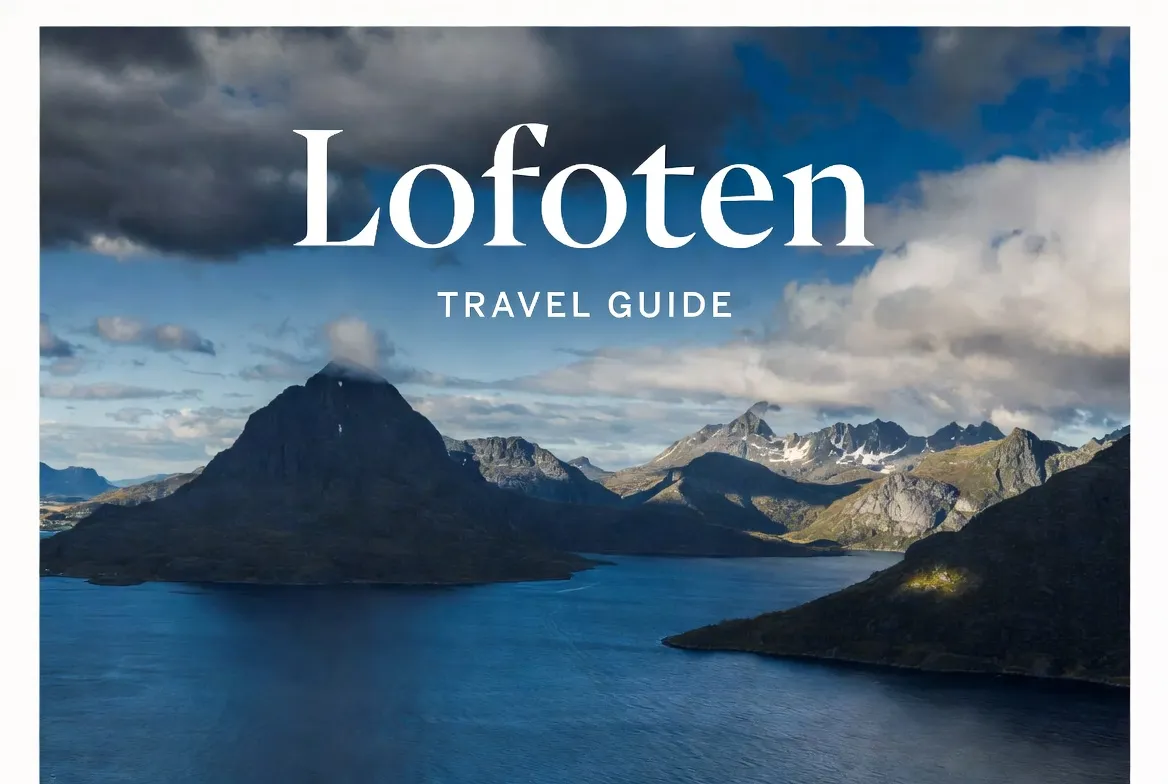

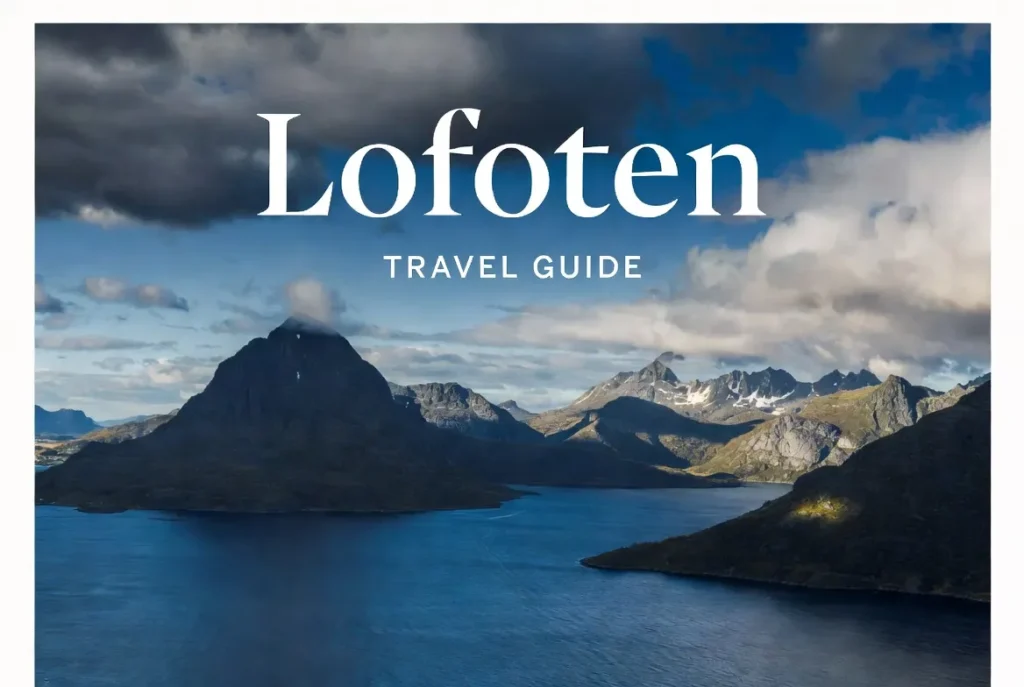
The Lofoten Islands burst from the Norwegian Sea like a dragon’s spine of jagged peaks and deep fjords. This arctic wonderland sits 200 kilometers north of the Arctic Circle, where fishing villages cling to rocky shores beneath mountains that seem to touch the sky. If you’re dreaming of dramatic landscapes, the Northern Lights dancing overhead, or hiking trails that lead to views you’ll never forget, this Lofoten travel guide has everything you need.
What Makes Lofoten Special?
Lofoten isn’t just another pretty place. It’s where nature shows off in the most dramatic way possible. Picture this: mountains rising straight from the ocean, beaches with sand as white as Caribbean shores (but with arctic waters), fishing villages that look like they belong in a storybook, and some of the best Northern Lights viewing on the planet.
The islands have been home to fishermen for over 1,000 years. You’ll see evidence everywhere, from the traditional red fishing cabins called “rorbuer” to the massive wooden drying racks where cod hangs to become stockfish. This isn’t a place that exists just for tourists. Real people live and work here, making it feel authentic in a way many destinations don’t.
Key Takeaway: Lofoten combines dramatic natural beauty with authentic Norwegian culture. It’s a working fishing community that happens to be drop-dead gorgeous.
Essential Lofoten Facts at a Glance
| Category | Details |
|---|---|
| Location | Northern Norway, 68-69°N latitude |
| Population | Approximately 24,500 residents |
| Main Islands | Austvågøy, Gimsøya, Vestvågøy, Flakstadøy, Moskenesøya |
| Size | 1,227 square kilometers total area |
| Highest Peak | Higravstinden (1,146 meters) |
| Main Towns | Svolvær, Leknes, Henningsvær, Reine, Å |
| Currency | Norwegian Krone (NOK), 1 USD = 10-11 NOK |
| Language | Norwegian (nearly everyone speaks English) |
| Time Zone | Central European Time (UTC +1) |
| Electricity | 230V, European two-pin plugs |
When Should You Visit Lofoten?
Choosing when to visit Lofoten is one of your biggest decisions. The experience changes completely depending on the season.
Summer Season (May to August)
Summer brings the legendary midnight sun. From late May until mid-July, the sun never sets. You can literally hike at 2 AM in broad daylight or photograph fishing villages bathed in golden light all night long.
Weather Conditions:
- Average temperature: 12-18°C (54-64°F)
- Long daylight hours (24 hours in June/July)
- Relatively dry but rain possible any day
- Calm seas most of the time
What You Can Do:
- All hiking trails are accessible and snow-free
- Kayaking and boat tours in calm waters
- Camping under the midnight sun
- Swimming at arctic beaches (if you’re brave)
- Fishing trips
- Cycling the coastal roads
- Wildlife watching (sea eagles, puffins, seals)
The Downsides:
- This is peak season, so prices are highest
- Popular spots get crowded (especially Reine and Henningsvær)
- Accommodations need booking 3-6 months ahead
- Rental cars and tours cost more
- No Northern Lights (too much daylight)
Autumn Season (September to November)
Fall in Lofoten brings shorter days, changing colors, and the return of darkness. September is many people’s favorite month because you get decent weather with far fewer tourists.
Weather Conditions:
- September: 8-12°C (46-54°F)
- October/November: 2-7°C (36-45°F)
- More rainy and windy than summer
- First snow on mountain peaks by October
What You Can Do:
- Northern Lights hunting from September onward
- Hiking before trails get too icy
- Photography with autumn colors
- Experiencing Lofoten without summer crowds
- Visiting museums and cultural sites
The Downsides:
- Weather becomes more unpredictable
- Some tourist services close for winter
- Daylight hours shrink quickly
- Higher chance of rain and wind
- Some hiking trails become dangerous with ice
Winter Season (December to February)
Winter transforms Lofoten into a different world. Snow blankets the mountains, ice forms along the shores, and the Northern Lights put on their best show. This season is for serious photographers, aurora chasers, and people who want to experience true arctic conditions.
Weather Conditions:
- Average temperature: -4 to 4°C (25-39°F)
- Very short days (only 4-6 hours of daylight in December)
- Frequent snow
- Strong winds common
- Road conditions can be challenging
What You Can Do:
- Best Northern Lights viewing (dark skies, clear nights)
- Winter photography (snow-covered landscapes)
- Snowshoeing and cross-country skiing
- Ice fishing
- Experiencing Norwegian winter culture
- Cod fishing season (January-April)
The Downsides:
- Very cold temperatures
- Extremely limited daylight
- Some roads and hiking trails close
- Need winter driving experience
- Some businesses close
- Higher heating costs in accommodations
Spring Season (March to April)
Spring offers a magical combination: snow still covers the mountains, but days are getting longer. You can still catch Northern Lights while having enough daylight for other activities.
Weather Conditions:
- Temperature: -2 to 7°C (28-45°F)
- Increasing daylight hours
- Mix of snow and rain
- Mountain peaks still snow-covered
What You Can Do:
- Northern Lights with longer viewing windows
- Spring skiing and snowshoeing
- Cod fishing season continues
- Photography with snow and increasing light
- Fewer crowds than summer
The Downsides:
- Weather can change rapidly
- Melting snow makes some trails messy
- Some facilities still closed
- Roads can be icy
Key Takeaway: Choose summer (June-August) for hiking and midnight sun, winter (December-February) for Northern Lights and snow, or shoulder seasons (May, September) for fewer crowds and lower prices with decent weather.
Getting to Lofoten: All Your Options
Flying to Lofoten
Flying is the quickest way to reach these remote islands. You have two main airport options:
Leknes Airport (LKN)
- Located on Vestvågøy island, right in the middle of Lofoten
- Direct flights from Bodø (25 minutes)
- Some flights from Oslo via Bodø
- Best choice if staying in central Lofoten
- Small airport, easy to navigate
Svolvær Airport (SVJ)
- Smaller airport on Austvågøy island
- Flights from Bodø (20 minutes)
- Good for northern Lofoten exploration
- Very small terminal
Flying from Oslo: Most international visitors fly into Oslo first. From there, you’ll take a domestic flight to Bodø, then connect to Leknes or Svolvær. Total travel time is 4-5 hours including layover.
Cost Guide:
- Oslo to Lofoten (return): 2,000-4,500 NOK ($190-430)
- Book 2-3 months ahead for best prices
- Summer flights cost 30-50% more than winter
Pro Tips:
- Norwegian Air and SAS fly these routes
- Widerøe operates the Bodø-Lofoten flights (small propeller planes)
- Weather can delay flights, build buffer time
- Check luggage limits (small planes have restrictions)
Taking the Ferry
The ferry from Bodø to Moskenes is an experience itself. This 3-4 hour journey crosses the Vestfjord with stunning views of the Lofoten wall rising from the sea.
Ferry Details:
- Route: Bodø to Moskenes
- Duration: 3-4 hours depending on conditions
- Frequency: 2-4 departures daily (more in summer)
- Operator: Torghatten Nord
- Cost: 200-250 NOK per person, 700-1,200 NOK for car
Booking the Ferry:
- Book vehicles at least 1 week ahead (2-3 weeks in summer)
- Foot passengers rarely need reservations
- Arrive 30-45 minutes before departure
- Online booking at torghatten-nord.no
Ferry Experience Tips:
- The upper deck offers best views
- Bring warm jacket even in summer (wind on deck)
- Cafeteria serves hot food and drinks
- Crossing can be rough (bring seasickness pills if needed)
- Incredible photo opportunities
Driving to Lofoten
You can drive all the way to Lofoten thanks to bridges and tunnels connecting the islands to mainland Norway. The main route is the E10 highway.
Driving Routes:
From Narvik:
- Distance: 250 kilometers
- Time: 4-5 hours
- Route: E6 south, then E10 west
- Scenic coastal drive
From Tromsø:
- Distance: 520 kilometers
- Time: 8-9 hours (split over 2 days recommended)
- Route: E8 to E6 south, then E10 west
From Oslo:
- Distance: 1,500+ kilometers
- Time: Multiple days required
- Not recommended unless making it a road trip
Road Conditions:
- The E10 is well-maintained year-round
- Tunnels connect the main islands
- Some tunnels are one-lane with passing zones
- Winter requires winter tires (mandatory November 15-April 1)
- Roads are narrow and winding in places
Bus Travel
Express buses connect Lofoten to mainland cities. This budget-friendly option works well if you plan to stay in one area or use local transport.
Main Bus Routes:
- Narvik to Svolvær: 5-6 hours, 2-3 daily buses
- Cost: 300-500 NOK one way
- Operator: Boreal Transport
Bus Limitations:
- Limited schedule (fewer in winter)
- Doesn’t give you flexibility to explore
- Better suited for budget backpackers
Getting Around Lofoten
Renting a Car (Best Option)
A rental car gives you complete freedom to explore at your own pace. The E10 highway runs through all the main islands, connecting villages and attractions.
Rental Car Basics:
- Book 2-3 months ahead in summer
- Costs: 500-1,000 NOK per day in summer
- Cheaper in winter: 300-600 NOK per day
- Most rentals available at Leknes and Svolvær airports
- Automatic transmission costs more
Driving in Lofoten:
- Speed limits: 50-80 km/h
- Roads are narrow, drive carefully
- Single-lane tunnels require yielding
- Sheep roam freely (watch for animals on road)
- Pull over in designated areas for photos
- Gas stations are far apart (fill up when you can)
Winter Driving Requirements:
- Winter tires mandatory November 15 to April 1
- Learn winter driving techniques before you go
- Roads can be icy and snowy
- Rental companies provide winter tires automatically
Fuel Costs:
- Gas: 17-20 NOK per liter (expensive)
- Electric car charging stations available in towns
- Budget 500-800 NOK for gas per week
Public Bus System
Lofoten has public buses connecting major towns along the E10. The service works well for budget travelers but requires planning.
Bus Network:
- Routes follow the E10 highway
- Connects Å to Svolvær with stops between
- Frequency: 2-4 buses daily on main routes
- Cost: 50-150 NOK depending on distance
Using the Buses:
- Check schedules at reisnordland.no
- Fewer buses in winter
- Sunday service very limited
- Buy tickets on board or via app
- Buses connect with ferries
Bus Travel Tips:
- Plan your days around bus schedules
- Download timetables as PDF
- Some routes run only on weekdays
- Works best if staying in one village
- Not ideal for hikers who want early starts
Cycling Lofoten
Biking through Lofoten is adventurous but challenging. The scenery is incredible, but the conditions are tough.
Cycling Challenges:
- Strong winds (especially coastal areas)
- Many hills and climbs
- Narrow roads with car traffic
- Some tunnels don’t allow bikes (detours required)
- Weather changes quickly
Cycling Season:
- Best: June to August
- Avoid winter (dangerous conditions)
- Expect 50-80 kilometers per day
Bike Rentals:
- Available in Svolvær, Leknes, and Reine
- Cost: 200-400 NOK per day
- E-bikes available (500-700 NOK per day)
Organized Tours
If you don’t want to drive, many companies offer guided tours that handle transportation.
Tour Options:
- Full-day bus tours
- Photography tours
- Northern Lights tours
- Fishing trips
- Kayaking expeditions
- Wildlife watching
Where to Stay in Lofoten
Traditional Rorbuer (Fisherman’s Cabins)
Staying in a rorbu is a quintessential Lofoten experience. These traditional red fishing cabins line the waterfront in most villages.
What to Expect:
- Wooden cabins on stilts over water
- Usually fully equipped with kitchen
- Bathroom and bedrooms
- Cozy Norwegian design
- Incredible water views
Popular Rorbu Locations:
- Reine: Most photographed village
- Hamnøy: Stunning mountain backdrop
- Henningsvær: Vibrant fishing village
- Sakrisøy: Quiet and peaceful
- Å: Historic village at the end of the road
Costs:
- Summer: 1,500-3,500 NOK per night
- Winter: 1,000-2,000 NOK per night
- Usually accommodate 2-6 people
- Book 4-6 months ahead for summer
Hotels and Guesthouses
Traditional hotels and guesthouses offer more services than rorbuer.
Hotel Options:
Budget (500-1,000 NOK):
- Hostels in Svolvær and Leknes
- Basic guesthouses
- Shared facilities common
Mid-range (1,000-2,000 NOK):
- Comfortable hotels
- Private bathrooms
- Breakfast included
- Located in main towns
Luxury (2,000-4,000+ NOK):
- Boutique hotels
- Spa facilities
- Gourmet restaurants
- Premium locations
Camping
Camping is popular and legal almost everywhere in Norway thanks to “allemannsretten” (the right to roam).
Campsite Options:
- Official campgrounds: 150-300 NOK per tent
- Wild camping: Free (follow leave no trace)
- Campervan sites: 250-500 NOK per night
Camping Rules:
- Camp at least 150 meters from buildings
- No camping on farmland without permission
- Stay maximum 2 nights in one spot
- Leave no trace
- No fires during dry periods
Best Camping Locations:
- Ramberg Beach
- Haukland Beach
- Uttakleiv Beach
- Official campgrounds in major villages
Wild Camping Tips:
- Bring warm sleeping bag (cold even in summer)
- Pack out all trash
- Respect private property
- Be prepared for wind and rain
Booking Accommodation
Reservation Timeline:
- Summer stays: Book 3-6 months ahead
- Winter stays: 1-2 months usually enough
- Shoulder seasons: 1-2 months recommended
Booking Platforms:
- Booking.com (widest selection)
- Airbnb (rorbuer and apartments)
- Direct with properties (sometimes better prices)
Key Takeaway: Rorbuer offer the most authentic experience. Book far in advance for summer. Wild camping is legal and free if you follow the rules.
Top Things to Do in Lofoten
Hiking Adventures
Lofoten offers some of Norway’s most spectacular hiking, from easy coastal walks to challenging mountain climbs.
Easy Hikes (Beginner Friendly):
1. Kvalvika Beach
- Distance: 3 kilometers round trip
- Time: 1-2 hours
- Difficulty: Easy to moderate
- Reward: Stunning white sand beach between mountains
- Best for: Families, beach lovers, sunset views
2. Uttakleiv Beach Walk
- Distance: 2 kilometers
- Time: 30-45 minutes
- Difficulty: Easy
- Reward: Beautiful beach, surf spot, great for Northern Lights
- Best for: Everyone
Moderate Hikes:
1. Reinebringen
- Distance: 3 kilometers round trip
- Time: 2-3 hours
- Difficulty: Moderate (steep stairs)
- Reward: The most famous view in Lofoten
- Best for: Instagram photos, fitness enthusiasts
- Note: Over 1,500 stone steps
2. Ryten
- Distance: 5 kilometers round trip
- Time: 3-4 hours
- Difficulty: Moderate
- Reward: Views over Kvalvika Beach and mountains
- Best for: Photographers, adventurers
3. Festvåg Peak
- Distance: 4 kilometers round trip
- Time: 2-3 hours
- Difficulty: Moderate
- Reward: Panoramic views without summer crowds
- Best for: People avoiding tourist hikes
Challenging Hikes:
1. Munkebu Hut
- Distance: 7 kilometers round trip
- Time: 5-7 hours
- Difficulty: Challenging
- Reward: Mountain hut with incredible views
- Best for: Experienced hikers
2. Nusfjord to Nesland
- Distance: 10 kilometers one way
- Time: 4-5 hours
- Difficulty: Moderate to challenging
- Reward: Remote beach, traditional village
- Best for: Solitude seekers
Hiking Safety:
- Weather changes fast (bring layers)
- Download offline maps
- Tell someone your plans
- Start early (especially for long hikes)
- Bring plenty of water and snacks
- Sunset happens late in summer (easy to lose track of time)
Chasing the Northern Lights
Lofoten is one of Earth’s best places to see the Aurora Borealis. The combination of dark skies, coastal location, and relatively mild winters creates perfect conditions.
Northern Lights Season:
- Best months: September to March
- Peak: December to February
- Possible: Late August to mid-April
Where to See Them:
- Haukland Beach (open sky, minimal light pollution)
- Uttakleiv Beach (great foreground)
- Skagsanden Beach (near Flakstad)
- Anywhere away from village lights
Photography Tips:
- Use tripod (essential)
- Camera with manual mode
- Wide-angle lens (14-24mm ideal)
- Settings: ISO 1600-3200, f/2.8 or wider, 10-20 second exposure
- Focus on stars before aurora appears
Increasing Your Chances:
- Check aurora forecasts (KP index 2+ is good)
- Watch weather forecasts (need clear skies)
- Be patient (clouds can clear suddenly)
- Book multiple nights (never guaranteed)
Experiencing Midnight Sun
From late May to mid-July, the sun never sets in Lofoten. This phenomenon opens up unique possibilities.
Midnight Sun Activities:
- Midnight hiking (popular trails less crowded)
- Night kayaking
- Photography at 2 AM
- Beach bonfires at midnight
- Reading outside all night
Best Viewpoints:
- Any west-facing beach for “sunset” that never sets
- Mountain peaks for 360-degree sun viewing
- Eggum (popular midnight sun spot)
Tips for Midnight Sun:
- Bring sleep mask (hard to sleep with 24-hour daylight)
- Darken your accommodation
- Stay on schedule (easy to lose track of time)
- Use sunscreen (UV rays still strong)
Fishing Experiences
Fishing is Lofoten’s heritage and still its main industry. You can participate in several ways.
Fishing Options:
Shore Fishing:
- Free from any public shore
- Bring your own gear
- Common catches: cod, coalfish, mackerel
Fishing Tours:
- Half-day: 600-900 NOK
- Full-day: 1,200-1,800 NOK
- Includes gear and guide
- Catch your own dinner
Deep Sea Fishing:
- Experience commercial fishing
- Full-day trips available
- 1,500-2,500 NOK
- Physical work but authentic
Winter Cod Fishing:
- January to April
- Special season when cod migrate here
- Tours focus on this iconic fish
Village Hopping
Each Lofoten village has its own character. Spending time in different communities shows you the islands’ variety.
Must-Visit Villages:
Reine:
- Population: 300
- Why visit: Norway’s most beautiful village (according to many)
- What to do: Photography, hiking Reinebringen, kayaking
- Vibe: Tiny but touristy
Henningsvær:
- Population: 500
- Why visit: Vibrant fishing village on small islands
- What to do: Visit galleries, climb Festvågtind, soccer field on island
- Vibe: Artsy and active
Å:
- Population: 100
- Why visit: Historic fishing village, end of the E10
- What to do: Fishing museums, bakery, walking around
- Vibe: Quiet and traditional
Nusfjord:
- Population: 50 (winter)
- Why visit: UNESCO protected fishing village
- What to do: Museum, photography, traditional atmosphere
- Vibe: Living museum, authentic
Svolvær:
- Population: 4,700
- Why visit: Lofoten’s “capital,” services and culture
- What to do: Shopping, restaurants, climbing Svolværgeita
- Vibe: Bustling town (by Lofoten standards)
Beach Adventures
Lofoten’s beaches look like they belong in the Caribbean, except the water is arctic cold.
Top Beaches:
Haukland Beach:
- White sand, turquoise water
- Sheltered and popular
- Good facilities
- Swimming if brave
- Camping allowed
Uttakleiv Beach:
- Dramatic mountain backdrop
- Surf spot
- Northern Lights location
- Popular for camping
Ramberg Beach:
- Long stretch of sand
- Less crowded
- Good for walks
- Campsite nearby
Beach Activities:
- Swimming (wetsuit recommended)
- Surfing (yes, in the Arctic!)
- Beach walks
- Photography
- Camping
- Bonfires
What to Eat in Lofoten
Traditional Norwegian Food
Lofoten’s cuisine centers on seafood, especially cod.
Must-Try Dishes:
Stockfish (Tørrfisk):
- Air-dried cod
- Lofoten’s most famous export
- Unique texture and flavor
- Not for everyone but worth trying
Fresh Cod:
- Available everywhere
- Winter is prime season
- Simply prepared, incredibly fresh
King Crab:
- Expensive but amazing
- Fresh from arctic waters
- Often served in restaurants
Klippfisk:
- Salted and dried cod
- Different from stockfish
- Traditional preservation method
Other Local Foods:
- Reindeer (more common in winter)
- Whale (controversial but traditional)
- Local lamb
- Cloudberries (sweet arctic berries)
Where to Eat
Budget Options (100-200 NOK):
- Supermarket meals
- Gas station hot dogs
- Bakery sandwiches
- Self-catering in your rorbu
Mid-Range (200-400 NOK):
- Local restaurants
- Fish and chips shops
- Cafes with daily specials
- Pizza places
Fine Dining (400-800+ NOK):
- Børsen Spiseri (Svolvær)
- Anitas Sjømat (Sakrisøy)
- Gammelbua (Å)
Shopping for Food:
- Rema 1000, Coop, Joker (main supermarket chains)
- Expensive compared to other countries
- Limited Sunday shopping
- Stock up in larger towns
Key Takeaway: Food is expensive in Lofoten. Self-catering saves money. Try fresh local cod at least once.
How Much Does Lofoten Cost?
Daily Budget Estimates
Budget Travel (500-800 NOK / $48-77 per day):
- Camping or hostel
- Self-catered meals
- Public bus transport
- Free activities
- Minimal tours
Mid-Range Travel (1,500-2,500 NOK / $145-240 per day):
- Rorbu or hotel
- Mix of restaurant and self-catered meals
- Rental car
- Some paid activities
- Few tours
Luxury Travel (3,000+ NOK / $290+ per day):
- Premium accommodation
- Restaurant meals
- Rental car or tours
- Multiple activities
- Photography tours, fishing trips
Specific Costs
| Expense | Cost Range |
|---|---|
| Rorbu (per night) | 1,000-3,500 NOK |
| Hotel (per night) | 800-4,000 NOK |
| Camping (per night) | 150-300 NOK |
| Rental car (per day) | 400-1,000 NOK |
| Gas (per liter) | 17-20 NOK |
| Restaurant meal | 200-500 NOK |
| Supermarket meal | 50-150 NOK |
| Beer at bar | 90-120 NOK |
| Coffee | 40-60 NOK |
| Fishing tour | 600-1,800 NOK |
| Northern Lights tour | 800-1,500 NOK |
Practical Information
Money Matters
Norway is nearly cashless. Credit cards work everywhere, even for small purchases.
Payment Tips:
- Bring Visa or Mastercard
- Inform your bank about Norway travel
- Contactless payment widely accepted
- ATMs available in towns
- Tipping not required (but appreciated for great service)
Internet and Mobile
Mobile Coverage:
- Good coverage in villages
- Spotty in remote areas and mountains
- EU phones roam free
- Non-EU visitors should buy local SIM
WiFi:
- Available in most accommodations
- Restaurants and cafes offer WiFi
- Download maps offline before hiking
What to Pack
Essential Items:
- Waterproof jacket (rain happens year-round)
- Layered clothing (weather changes fast)
- Warm fleece or down jacket
- Comfortable hiking boots
- Sunglasses (bright even with clouds)
- Sunscreen (UV strong at high latitude)
- Reusable water bottle
- Power adapter (European two-pin)
Summer Additions:
- Light clothes for warm days
- Swimming suit (for brave souls)
- Sun hat
- Sleep mask for midnight sun
- Bug spray (mosquitoes in some areas)
Winter Additions:
- Insulated winter coat
- Thermal underwear
- Warm hat and gloves
- Winter boots with good grip
- Hand warmers
Photography Gear:
- Camera with manual mode
- Tripod (for Northern Lights)
- Extra batteries (cold drains them fast)
- Memory cards
- Lens cloth
Safety Tips
Lofoten is very safe, but nature demands respect.
Hiking Safety:
- Check weather before hiking
- Tell someone your plans
- Turn back if weather worsens
- Bring emergency supplies
- Know your limits
Driving Safety:
- Reduce speed on narrow roads
- Watch for sheep
- Be extra careful in winter
- Let faster traffic pass
- Don’t stop in tunnels
Water Safety:
- Sea temperature is 5-15°C year-round
- Strong currents in some areas
- Always wear life jacket when kayaking
- Check tide times
Emergency Numbers:
- Emergency services: 112
- Police: 112
- Ambulance: 113
- Fire: 110
Sample Itineraries
3-Day Itinerary
Day 1: Southern Lofoten
- Morning: Arrive, pick up rental car
- Afternoon: Drive to Reine, check in
- Evening: Sunset at Haukland Beach
Day 2: Hiking and Beaches
- Morning: Hike Reinebringen (early start)
- Afternoon: Relax at Kvalvika Beach
- Evening: Explore Å village
Day 3: Village Tour
- Morning: Drive to Henningsvær
- Afternoon: Walk around, visit galleries
- Evening: Return flights
5-Day Itinerary
Day 1: Arrival
- Arrive Leknes or Svolvær
- Settle in, light exploration
- Early sleep to adjust
Day 2: Southern Highlights
- Drive to Reine
- Short hike or beach walk
- Photography around village
Day 3: Big Hike
- Reinebringen or Ryten
- Rest at beach
- Evening in Å
Day 4: Middle Lofoten
- Drive to Henningsvær
- Village exploration
- Easier day after big hike
Day 5: Beaches
- Haukland and Uttakleiv
- Relaxing day
- Prepare for departure
7-Day Itinerary
Day 1: Arrival and South
- Arrive, drive to southern Lofoten
- Settle in Reine or nearby
- Light evening walk
Day 2: Major Hike
- Reinebringen early morning
- Rest afternoon
- Sunset photography
Day 3: Beach Day
- Hike to Kvalvika
- Swim if weather permits
- Explore Fredvang
Day 4: Village Tour
- Drive to Nusfjord
- Continue to Henningsvær
- Overnight in Henningsvær
Day 5: Northern Lofoten
- Explore Svolvær
- Visit smaller villages
- Festvåg hike if energy permits
Day 6: Active Day
- Kayaking or fishing tour
- Or another hike
- Evening at Haukland
Day 7: Flexible
- Weather backup day
- Revisit favorite spots
- Departure preparation
Key Takeaway: Allow flexibility in your itinerary. Weather can force plan changes. Build in rest days between big hikes.
Final Tips for Your Lofoten Journey
Book Early: Lofoten’s popularity means summer accommodation sells out months ahead. Book flights, rental cars, and places to stay as soon as you know your dates.
Respect Nature: Follow Leave No Trace principles. Pack out all trash, stay on marked trails, and respect wildlife. Lofoten’s beauty depends on all visitors caring for it.
Be Flexible: Weather is unpredictable. Have backup plans for rainy days. Museums, driving tours, and village exploration work when hiking isn’t possible.
Slow Down: Don’t try to see everything. Lofoten rewards those who take time to soak in the beauty rather than rushing from spot to spot.
Talk to Locals: Norwegian people are friendly and speak excellent English. Ask for recommendations, tips, and hidden spots.
Prepare for Costs: Norway is expensive. Budget more than you think you’ll need. Self-catering and camping help control costs.
Check Conditions: Before hiking, check weather forecasts and trail conditions. Yr.no provides reliable Norwegian weather forecasts.
The Lofoten Islands offer an experience unlike anywhere else on Earth. Whether you’re chasing Northern Lights in winter darkness or hiking under the midnight sun, these dramatic islands will leave you with memories that last forever. Pack your sense of adventure, respect for nature, and camera, and get ready for one of the world’s most spectacular destinations.
Related Articles
- Cayman Visa Requirements: Simple Step By Step Guide
- Qatar Airways Visa Requirements: Clear Guide For 2026 Travelers
- How To Migrate To Canada As An Agricultural Worker From Africa
Get visa, passport, and travel-planning guides like this one sent straight to your inbox — plus first access to new country guides and scholarship roundups.