Traveling at 36 Weeks Pregnant: Your Safe Journey Guide
As you approach the exciting final weeks of pregnancy, the thought of travel might bring a mix of excitement and worry. You’re nesting, preparing for your baby’s arrival, and perhaps dreaming of one last relaxing trip. But when you’re 36 weeks pregnant, travel comes with unique considerations. Is it safe? What are the rules? And how can you make the journey as comfortable as possible?
This guide will walk you through everything you need to know about traveling at 36 weeks pregnant. We will cover important medical advice, airline policies, road trip tips, and essential packing lists. Our goal is to help you make informed decisions for a safe and comfortable journey, whether you’re heading near or far. Always remember, your health and your baby’s well-being are the top priorities.
Key Takeaways for Traveling at 36 Weeks Pregnant
- Always Consult Your Doctor: Before making any travel plans, get clearance from your healthcare provider. They know your medical history best.
- Understand Airline Policies: Most airlines have strict rules about flying in late pregnancy. Check their specific guidelines for travel past 35 weeks.
- Prioritize Comfort and Hydration: Long periods of sitting can be tough. Stay hydrated, wear comfortable clothes, and move around often to prevent issues.
- Pack Smart: Keep all your medical records, important documents, and essential comfort items easily accessible.
- Know Your Destination: Research medical facilities at your destination in case of an emergency. Have a plan for quick access to care.
Understanding Late-Term Pregnancy Travel Risks
By 36 weeks, you are considered full-term in many ways, and your body is getting ready for labor. This stage of pregnancy brings certain risks that make travel more complex than earlier trimesters. It is important to understand these risks before you decide to travel.
The “Why Not” of Late-Term Travel
Several factors make travel challenging and potentially risky at 36 weeks. The biggest concern is the possibility of going into labor far from your chosen hospital or doctor. Premature labor, while less common at 36 weeks than earlier, is still a risk, especially if you are traveling to a new environment or experiencing stress.
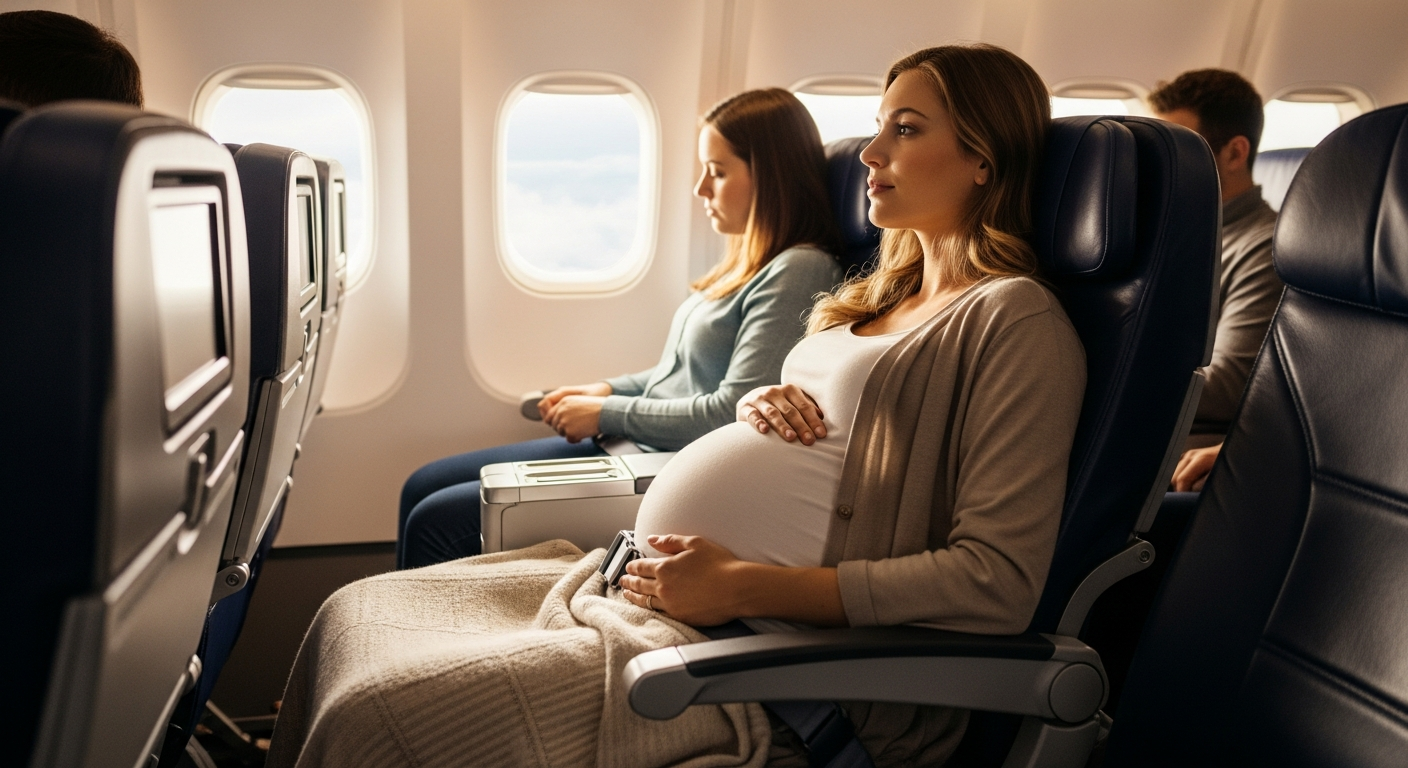
Other concerns include increased discomfort, swelling, and fatigue. Sitting for long periods can raise your risk of blood clots. Also, access to proper medical care might be limited or unfamiliar if you are away from home. These are serious considerations that should guide your travel decisions.
Medical Clearance is Non-Negotiable
No matter your travel plans, getting a written medical clearance from your doctor is essential. This letter should state that you are fit to travel, confirm your due date, and mention any potential complications. Many airlines and even some travel insurance providers will require this document. Your doctor can assess your specific health situation and advise you on the safest course of action.
Airline Policies and Flying at 36 Weeks Pregnant
Most airlines have policies in place to protect pregnant travelers and their unborn babies. These rules typically become stricter as your due date approaches. While policies can vary, 36 weeks pregnant is often the cut-off for international travel and sometimes even domestic flights without special permission.
Even if an airline allows you to fly, they might require a medical certificate from your doctor. This certificate usually needs to be dated within a few days of your flight. Always check with your specific airline well in advance of your planned travel dates. It is better to be safe than sorry when it comes to air travel late in pregnancy.
Airline Specific Rules
It is crucial to know that each airline has its own set of rules. Here is a general idea of what you might encounter, but always confirm directly with the airline.
| Airline Policy Factor | Before 28 Weeks | 28-35 Weeks | 36 Weeks and Beyond |
| **Domestic Travel** | Usually No Restrictions | Medical Certificate Often Required | Often Not Permitted; Medical Clearance Mandatory if Allowed |
| **International Travel** | Usually No Restrictions | Medical Certificate Often Required | Generally Not Permitted; Very Strict Conditions if Allowed |
| **Medical Certificate** | Not Required | Recommended or Required | Always Required if Travel is Permitted |
| **Doctor’s Note Content** | N/A | Due date, fit to fly, no complications | Due date, fit to fly, no complications, single/multiple pregnancy |
Tips for a Smoother Flight
If your doctor clears you for air travel and your airline allows it, here are some tips to make your flight more comfortable:
- Choose an Aisle Seat: This makes it easier to get up, stretch, and use the restroom frequently without disturbing others.
- Stay Hydrated: Drink plenty of water throughout your flight. Dehydration can lead to discomfort and other issues.
- Walk Around: Every hour or so, take a short walk up and down the aisle to promote blood circulation and reduce swelling.
- Wear Compression Socks: These can help prevent swelling in your legs and reduce the risk of deep vein thrombosis (DVT).
- Snack Smart: Bring healthy snacks to keep your energy levels up. Airplane food might not always meet your nutritional needs.
Road Tripping While 36 Weeks Pregnant
For many, a road trip might seem like a safer alternative to flying when 36 weeks pregnant. While it offers more control and flexibility, it still requires careful planning. Long hours in a car can be tiring and increase the risk of swelling and discomfort.
Planning Your Route and Stops
- Keep it Short: Aim for shorter driving days, perhaps no more than 4-5 hours. This allows for more frequent breaks.
- Frequent Stops: Plan stops every 1-2 hours to stretch your legs, use the restroom, and grab a snack. Walking around for a few minutes can make a big difference.
- Research Rest Stops: Know where you can stop safely for breaks, food, and restrooms along your route.
- Consider Your Destination: Choose a destination with good medical facilities. Avoid remote areas where help might be far away.
Car Comfort and Safety
Make sure your car is comfortable and safe for a pregnant traveler. Adjust your seat to a comfortable position, ensuring the seatbelt fits properly across your hips and under your belly. Use pillows for back support if needed. Keep the car well-ventilated and at a comfortable temperature to avoid overheating.
Essential Packing for Your Journey
Packing for travel at 36 weeks pregnant is different from other trips. You need to consider not just your comfort, but also potential medical needs. Being prepared can reduce stress and ensure you have everything you need, no matter what happens.
Medical Bag Checklist
This bag should be easily accessible and contain all your important health related items:
- Medical Records: Copies of your prenatal records, including any test results, your due date, and your doctor’s contact information.
- Doctor’s Note: The medical clearance letter stating you are fit to travel.
- Insurance Cards: Your health insurance card and any travel insurance details.
- Medications: All your prescribed medications, vitamins, and any over-the-counter remedies you usually take.
- Emergency Contacts: A list of emergency contacts, including your partner, family, and doctor.
Comfort and Hydration Essentials
- Comfortable Clothing: Loose-fitting, breathable clothes are a must. Think soft fabrics and layers.
- Supportive Shoes: Your feet might swell, so comfortable shoes are key. Slip-on shoes are even better.
- Water Bottle: Stay hydrated by keeping water close at hand. Refill often.
- Healthy Snacks: Pack fruits, nuts, granola bars, and other healthy options to avoid hunger and maintain energy.
- Pillows/Cushions: A small pillow for back support or neck comfort can make a big difference during long periods of sitting.
- Entertainment: Books, magazines, or podcasts can help pass the time and keep your mind off any discomfort.
Staying Healthy and Comfortable On The Go
Even with the best planning, traveling at 36 weeks pregnant can be tiring. Focusing on your health and comfort throughout the journey is vital. Listen to your body and do not push yourself too hard.
Hydration and Nutrition
Staying well-hydrated is key to preventing many common pregnancy discomforts like swelling, headaches, and fatigue. Drink water regularly, even if you do not feel thirsty. Avoid sugary drinks and excessive caffeine. Keep healthy snacks on hand to maintain stable blood sugar levels and provide steady energy. Opt for fresh fruits, vegetables, and whole grains when possible.
Managing Swelling and Fatigue
Swelling, especially in your feet and ankles, is common in late pregnancy and can worsen with travel. Elevate your legs whenever possible. Compression socks can also help. Fatigue is another common symptom. Plan for naps or rest periods during your journey and at your destination. Do not try to pack too many activities into your day.
Emergency Preparedness: What If Labor Starts?
This is the biggest concern for many pregnant travelers. While unlikely, it is important to have a plan for what to do if you experience signs of labor or other urgent medical issues while away from home. Being prepared can ease your mind and ensure you get timely care.
Knowing Your Destination’s Hospitals
Before you leave, research hospitals and birthing centers near your destination. Find out their emergency room locations and contact numbers. If possible, identify one that accepts your insurance. Knowing where to go in an emergency can save precious time and reduce panic.
Your Birth Plan and Medical Contacts
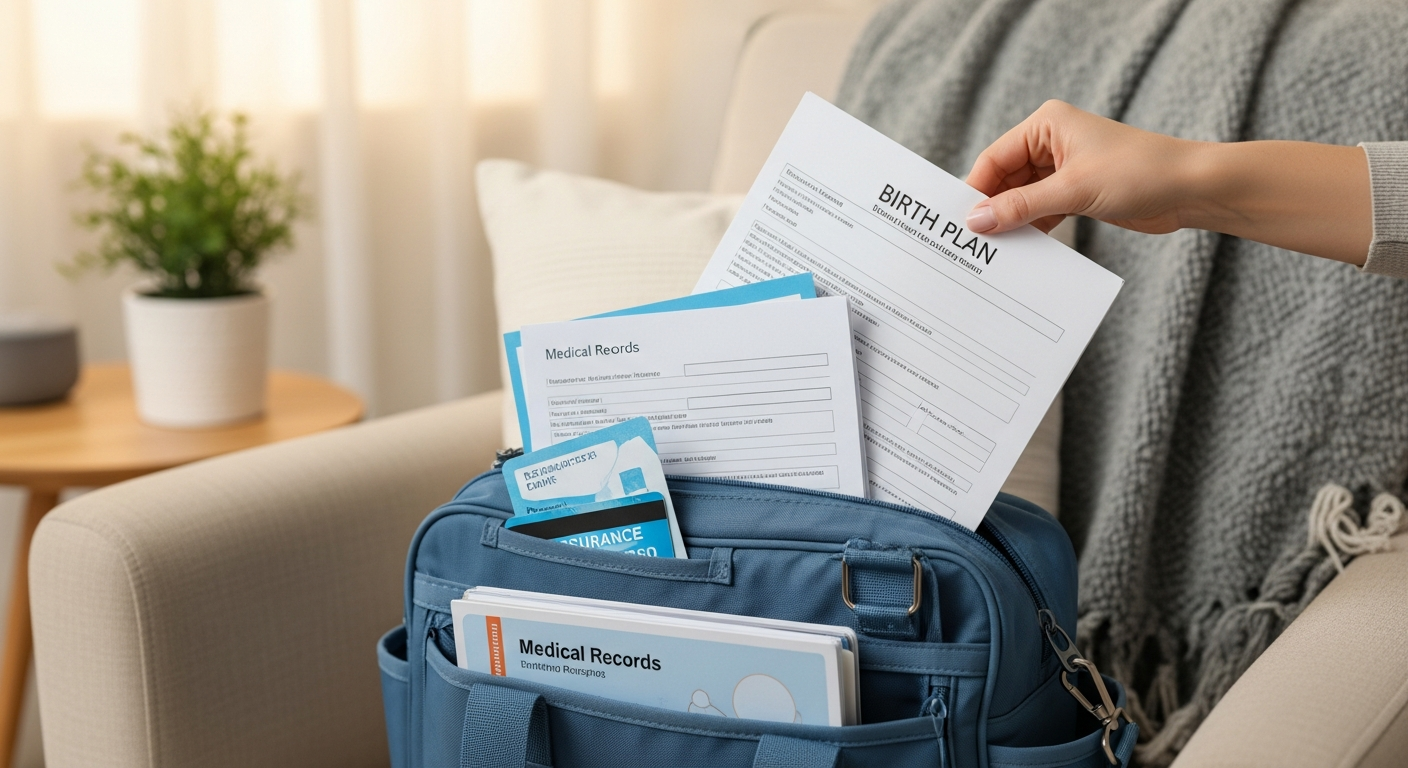
Share your birth plan with your travel companion and make sure it is easily accessible with your medical records. Have your doctor’s contact information, as well as the contact details for your partner and any other emergency contacts, clearly listed. Inform your travel companions about any important medical information they should know.
Alternatives to Long-Distance Travel
Sometimes, after weighing all the risks and advice, you might decide that long-distance travel is not the best option at 36 weeks pregnant. That is perfectly okay! There are many ways to enjoy a relaxing time closer to home.
Consider a
staycation or a babymoon closer to home. This could involve booking a luxurious hotel in your own city, enjoying spa treatments, or exploring local attractions you haven’t had time for. The advantage of a local getaway is that you’re never far from your doctor, your hospital, and the comforts of your own home. It allows for relaxation without the added stress and risks associated with long-distance travel in late pregnancy. You can still create beautiful memories and get that much-needed rest before your baby arrives, all while ensuring peace of mind.### ConclusionTraveling at 36 weeks pregnant, while sometimes necessary or desired, requires an exceptional level of planning, caution, and self-awareness. Your doctor’s clearance is non-negotiable, and their advice should be your guiding principle. Prioritize comfort, hydration, and frequent rest breaks, whether you’re driving or considering other modes of transport.Most importantly, be prepared for any eventuality, including the unexpected onset of labor. Knowing your emergency contacts, having your medical records accessible, and researching local medical facilities at your destination can provide immense peace of mind.Ultimately, the decision to travel rests on your comfort level, your health status, and your doctor’s recommendation. If the risks outweigh the benefits, or if you simply feel more at ease staying close to home, embrace the idea of a local babymoon. The goal is to ensure a safe, comfortable, and stress-free experience for both you and your baby before their grand arrival.### FAQ1. Can I fly at 36 weeks pregnant?Generally, no. Most airlines have strict policies prohibiting air travel for pregnant women after 36 weeks of gestation for single pregnancies due to the increased risk of premature labor. Always check with your airline and consult your doctor for specific advice.2. What are the main risks of traveling at 36 weeks pregnant?The primary risks include premature labor, deep vein thrombosis (DVT) from prolonged sitting, increased swelling, fatigue, and general discomfort. Being far from your regular medical care is also a significant concern.3. What should I do if I go into labor while traveling?Stay calm and contact emergency services immediately. If possible, call your doctor for guidance. Head to the nearest hospital or birthing center that you’ve researched beforehand. Have your medical records and birth plan readily accessible.4. Is car travel safer than flying at 36 weeks pregnant?Car travel offers more flexibility for stops and movement, which can reduce the risk of DVT and discomfort. However, long hours in a car can still be tiring. Flying is generally not permitted at 36 weeks. Always prioritize frequent breaks, hydration, and comfortable seating in a car.5. What essential documents should I carry when traveling?Always carry a doctor’s note clearing you for travel, copies of your prenatal medical records, your insurance cards, and a list of emergency contacts, including your doctor and partner.