Travel at 34 Weeks Pregnant: Your Essential Safety Guide
As you approach the final stretch of your pregnancy, the excitement of meeting your little one grows with each passing week. At 34 weeks, you are deep into your third trimester, and many expectant parents wonder if it is still safe or advisable to travel. Whether it is a babymoon, a visit to family, or an unavoidable business trip, understanding the risks, airline policies, and health precautions is vital for a comfortable and secure journey.
Traveling during late pregnancy brings unique considerations. Your body is undergoing significant changes, and the potential for unexpected developments increases. This comprehensive guide, crafted by SEO and content experts, will provide you with the essential information needed to make informed decisions about traveling at 34 weeks pregnant. We aim to help you navigate airline rules, prioritize your well-being, and ensure peace of mind.
Our goal is to equip you with practical advice and expert insights, ensuring that any travel plans you make are as safe and stress-free as possible. From understanding medical clearances to packing smart, we cover every angle to support you and your baby during this special time. Let us explore how you can travel responsibly and comfortably, even in your advanced pregnancy.
Key Takeaways for Traveling at 34 Weeks Pregnant
- Consult Your Doctor First: Always get medical clearance from your healthcare provider before planning any travel at 34 weeks. They can assess your specific health situation.
- Understand Airline Policies: Most airlines have restrictions for flying in the third trimester, often requiring a doctor’s note past a certain week. Check specific airline rules well in advance.
- Prioritize Comfort and Hydration: Long periods of sitting increase risks. Stay hydrated, move frequently, and wear compression stockings to prevent blood clots and swelling.
- Know Your Destination’s Medical Resources: Be aware of nearby hospitals or medical facilities at your destination in case of an emergency.
- Consider Travel Insurance: Look into travel insurance that covers pregnancy-related complications, as standard policies might have exclusions for late-term pregnancy.
Understanding the Third Trimester Travel Landscape
The third trimester of pregnancy, especially after 32 weeks, marks a period where your body is preparing for labor and delivery. While many women feel well, the risk of preterm labor and other complications slightly increases. This makes careful planning and medical consultation crucial for any travel during this time.
Why 34 Weeks is a Critical Point
At 34 weeks pregnant, you are approximately six weeks away from your due date. Many airlines consider this period to be late-term pregnancy, often imposing restrictions or requiring medical documentation for travel. The main concerns include the possibility of going into labor prematurely, developing deep vein thrombosis (DVT) from prolonged sitting, and managing discomfort like swelling or back pain.
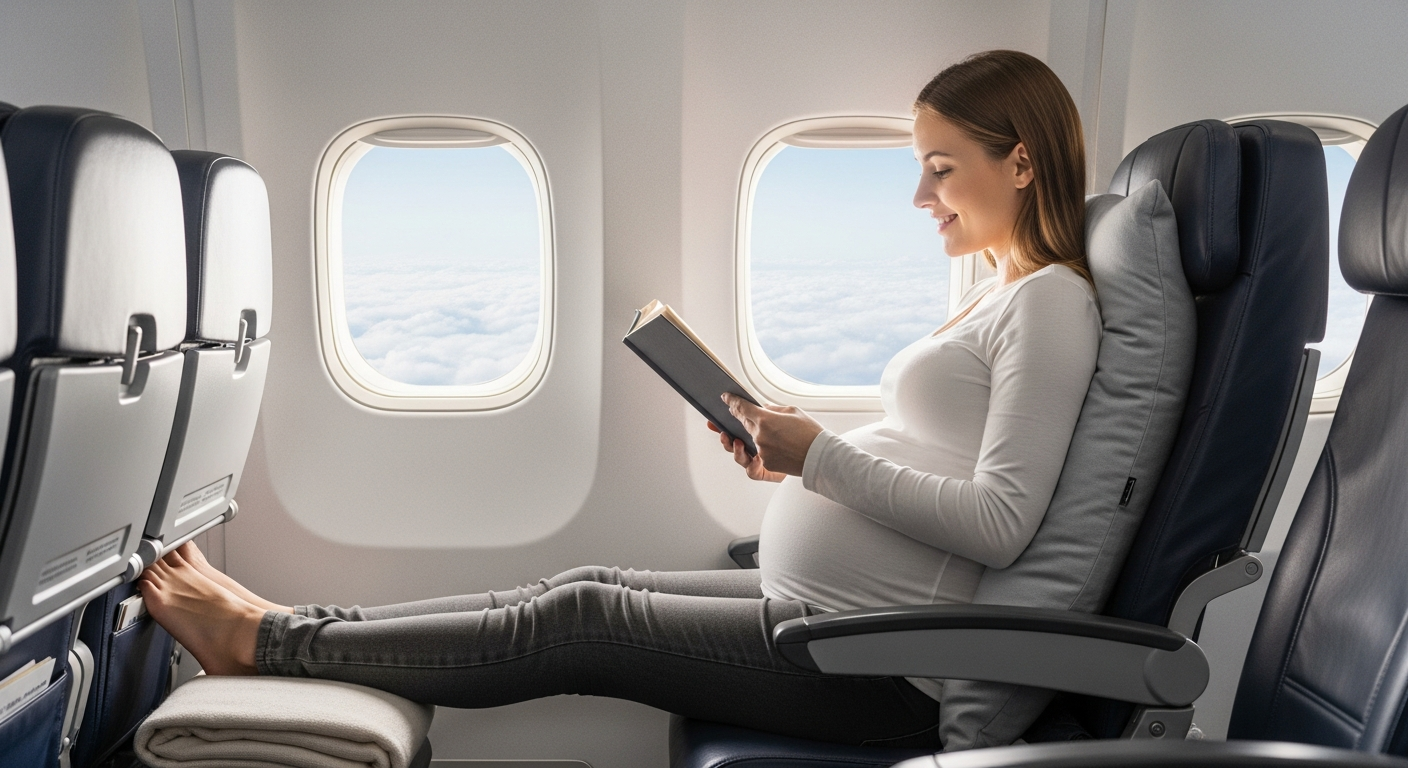
Your baby is also growing rapidly, putting more pressure on your internal organs and potentially making long journeys more taxing. The physical demands of travel, such as carrying luggage or navigating busy airports, can be more challenging. It is essential to listen to your body and recognize any signs that might indicate a need for rest or medical attention.
General Travel Guidelines for Late Pregnancy
Regardless of your mode of transport, several general guidelines apply to traveling at 34 weeks pregnant. Always carry your medical records, including your prenatal care notes and any relevant test results. This information will be invaluable if you need medical assistance away from home. Also, ensure you have contact information for your healthcare provider readily available.
Pack light and efficiently. Avoid heavy lifting, and if possible, travel with a companion who can assist you with luggage and other physical tasks. Plan for frequent stops if you are driving, allowing you to stretch your legs, use the restroom, and stay hydrated. Comfort should be your top priority throughout the journey.
Airline Policies and Restrictions
Flying while pregnant, especially in the third trimester, is subject to strict airline regulations designed for your safety and that of your baby. These policies vary significantly between carriers and can change, so checking with your chosen airline directly is non-negotiable.
Domestic vs. International Flights
Generally, international flights tend to have more stringent restrictions than domestic flights. Many airlines will not permit international travel for pregnant women past 34 weeks, and some even earlier. For domestic flights, the cut-off is often around 36 weeks, but this is not universal. Always confirm with the specific airline for both legs of your journey, as policies can differ.
It is important to understand that these policies are in place to prevent potential medical emergencies mid-flight, where resources are limited. Airlines do not want to be responsible for a birth occurring in the air, nor do they want to risk your health or your baby’s. Therefore, they err on the side of caution with their travel restrictions.
Medical Clearance Letters: A Must-Have
Even if an airline allows travel at 34 weeks, they will almost certainly require a medical clearance letter from your doctor. This letter should state your estimated due date, confirm that you are fit to fly, and specify that you have no complications that would prevent travel. It should be dated close to your travel date, typically within 72 hours.
Without this letter, you risk being denied boarding, even if you have a valid ticket. Ensure your doctor includes all necessary information and that the letter is on official letterhead. Keep it easily accessible with your travel documents, not tucked away in checked luggage.
Major Airline Policies Comparison
Understanding the general landscape of airline policies can help you plan. While specific details can change, here is a general overview of what you might expect from major airlines regarding pregnancy travel:
| Airline Example | Domestic Flights (Weeks) | International Flights (Weeks) | Doctor’s Note Requirement |
| American Airlines | Up to 36 weeks | Up to 36 weeks | Required after 36 weeks |
| Delta Air Lines | Up to 36 weeks | Up to 36 weeks | Required after 36 weeks |
| United Airlines | Up to 36 weeks | Up to 36 weeks | Required after 36 weeks |
| Southwest Airlines | Up to 38 weeks | N/A (Domestic only) | Not required |
| British Airways | Up to 36 weeks | Up to 36 weeks | Required after 28 weeks |
| Lufthansa | Up to 36 weeks | Up to 36 weeks | Required after 28 weeks |
Note: This table provides general guidelines. Always verify current policies directly with your chosen airline.
Prioritizing Your Health and Comfort
Your well-being is paramount when traveling at 34 weeks pregnant. Taking proactive steps to ensure comfort and health can significantly reduce risks and make your journey more enjoyable. Simple measures can make a big difference, especially on longer trips.
Staying Hydrated and Nourished
Dehydration can lead to fatigue, headaches, and even contractions. Drink plenty of water before, during, and after your journey. Avoid sugary drinks and excessive caffeine. Pack healthy snacks like fruit, nuts, and whole-grain crackers to keep your energy levels stable and prevent nausea. Airplane food or roadside options might not always meet your dietary needs or preferences.
Preventing Blood Clots (DVT)
Long periods of inactivity, especially in cramped spaces, increase the risk of deep vein thrombosis (DVT), a serious condition involving blood clots. To mitigate this risk, get up and walk around every hour or two if flying or on a train. If driving, stop frequently to stretch your legs.
Consider wearing compression stockings, which help improve blood circulation in your legs and reduce swelling. Perform simple leg and foot exercises while seated, such as ankle circles, foot pumps, and knee lifts, to keep blood flowing. These small movements are very effective.
Managing Swelling and Discomfort
Swelling in the feet and ankles is common during pregnancy, and travel can exacerbate it. Elevate your feet whenever possible. Wear loose, comfortable clothing and supportive, easy-to-remove shoes. A pregnancy pillow or a small cushion can provide extra back support, especially on long journeys.
If you experience discomfort or pain, change your position. Do not hesitate to ask for assistance from flight attendants or travel companions if you need help with luggage or finding a comfortable spot. Your comfort contributes directly to your safety.
What to Pack for Comfort and Safety
Beyond your medical clearance letter, a well-thought-out packing list can enhance your travel experience. Include all necessary medications, prenatal vitamins, and any specific comfort items like a neck pillow or a light blanket. Pack extra layers of clothing, as temperatures can fluctuate during travel.
Bring hand sanitizer, pain relief approved by your doctor, and a fully charged phone with emergency contacts. Having a small bag with essentials like snacks, water, and immediate medical supplies within easy reach is also a smart strategy. Remember to prioritize items that will make you feel safe and comfortable throughout your journey.
Road Trips and Other Travel Options
While flying often comes with the most restrictions, other modes of transport also require careful consideration when you are 34 weeks pregnant. Each option has its own set of advantages and challenges that need to be weighed against your personal comfort and safety.
Car Travel Considerations
Road trips can offer more flexibility than flying, allowing you to set your own pace and stop whenever needed. However, long hours in a car can still be tiring. Ensure your seatbelt is properly fastened, with the lap belt low across your hips and under your belly, and the shoulder belt across your chest and between your breasts. Airbags should remain active.
Plan your route to include frequent breaks every 1.5 to 2 hours. Use these stops to walk around, stretch, and hydrate. Bring plenty of snacks and water. Consider traveling with a companion who can share driving duties or assist you if you need to rest. Avoid driving alone for very long distances.
Train and Bus Journeys
Train travel can be a comfortable alternative, offering more space to move around compared to a car or airplane. You can often walk to the dining car or simply stand in the aisle to stretch your legs. Many trains also have larger restrooms, which can be a significant benefit.
Bus journeys, while sometimes more economical, can be less comfortable due to limited space and fewer opportunities for movement. If opting for a bus, choose a seat near the aisle for easier access to the restroom and opportunities to stretch. As with all travel, stay hydrated and keep snacks handy. Always prioritize direct routes to minimize transfers and unnecessary stress.
Preparing for the Unexpected
Even with meticulous planning, unforeseen circumstances can arise. Being prepared for potential emergencies or changes in your health status is a crucial aspect of traveling at 34 weeks pregnant. This foresight can make a significant difference in how you handle any challenges that may come your way.
Knowing Your Destination’s Medical Facilities
Before you embark on your journey, research the medical facilities at your destination. Identify the nearest hospitals, particularly those with maternity services or emergency departments. Note down their addresses and contact numbers. This information can save valuable time if you need urgent medical care.
Consider carrying a list of your current medications, allergies, and your doctor’s contact information. If traveling internationally, research how to access local emergency services and understand any language barriers that might exist. Having a clear plan for medical emergencies provides immense peace of mind.
Travel Insurance for Pregnant Travelers
Standard travel insurance policies often have exclusions for pregnancy-related conditions, especially those arising in the third trimester. It is imperative to review your policy carefully or purchase specialized pregnancy travel insurance. This type of insurance can cover medical emergencies, premature birth, and even trip cancellation due to pregnancy complications.
Do not assume your regular insurance will cover everything. A brief call to your insurance provider to clarify coverage for

pregnancy-related incidents while traveling is highly recommended. Make sure you understand the fine print, including any clauses related to pre-existing conditions or specific gestational age limits. Investing in the right insurance provides a crucial safety net.
Conclusion
Traveling at 34 weeks pregnant requires careful planning, a proactive approach to your health, and a clear understanding of potential risks and necessary precautions. While it’s certainly possible to enjoy a trip during this late stage of pregnancy, your primary focus must always be on the well-being of both you and your baby. From securing medical clearance and understanding airline policies to managing comfort and preparing for emergencies, every step contributes to a safer and more enjoyable journey.
Remember to listen to your body, stay hydrated, take frequent breaks, and don’t hesitate to seek medical attention if you experience any concerning symptoms. By prioritizing your health and comfort, and by being thoroughly prepared for any eventuality, you can navigate your travels with confidence and peace of mind. Consult with your healthcare provider well in advance to ensure your travel plans align with their recommendations for a healthy, safe, and stress-free experience.
FAQ: Traveling at 34 Weeks Pregnant
Q1: Is it generally safe to travel at 34 weeks pregnant?
A1: While many women can travel safely at 34 weeks, it’s crucial to get medical clearance from your doctor. They will assess your specific health condition, pregnancy progress, and any potential risks. Most airlines have restrictions for travel in the third trimester, often requiring a doctor’s note.
Q2: What are the main risks of traveling late in pregnancy?
A2: Key risks include premature labor, deep vein thrombosis (DVT) due to prolonged sitting, increased discomfort, and the possibility of medical emergencies away from your primary healthcare provider. Access to appropriate medical facilities at your destination is a significant consideration.
Q3: What should I bring for comfort and safety during travel?
A3: Pack your medical clearance letter, all necessary medications, prenatal vitamins, compression stockings, comfortable shoes, a neck pillow, healthy snacks, water, and hand sanitizer. A fully charged phone with emergency contacts and a list of local medical facilities at your destination are also essential.
Q4: How often should I take breaks during car or train travel?
A4: If driving or on a train, aim to stop and walk around every 1.5 to 2 hours. This helps improve circulation, reduce swelling, and prevent blood clots. Perform simple leg and foot exercises while seated to keep blood flowing.
Q5: Do I need special travel insurance for pregnancy?
A5: Standard travel insurance often excludes pregnancy-related conditions, especially in the third trimester. It is highly recommended to review your policy carefully or purchase specialized pregnancy travel insurance that covers medical emergencies, premature birth, and trip cancellations due to complications. Always clarify coverage with your provider.