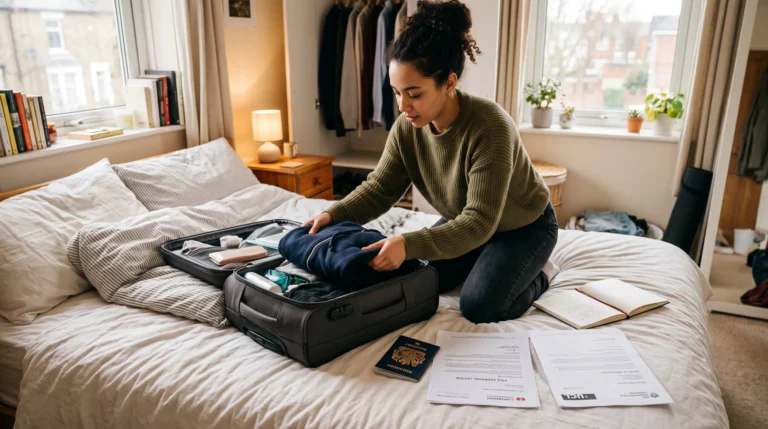
Studying abroad is an exciting opportunity, but the first term is also when most avoidable problems happen — a missed bank setup, an unregistered address, a budget that runs out mid-semester. The tips below are organized by the areas that trip up new international students most often.
Academic Success
Before classes start, find out whether your program uses a learning management system (Canvas, Moodle, Blackboard) and log in early to confirm access — account issues are far easier to fix during orientation week than during the first assignment deadline. Build a single calendar (digital, synced across devices) for every deadline, not just exams: office hours, group project check-ins, and library book due dates all count. Most campuses have free tutoring centers and writing centers that go underused by international students simply because no one mentions them during orientation — ask your academic advisor what’s available in your first week, before you actually need it.
Budget Management
Open a local bank account as soon as your student visa and proof of enrollment let you — paying rent, phone bills, and groceries from a foreign card usually means extra conversion fees on every transaction. Track spending for your first month in a simple spreadsheet or a budgeting app; that first month is usually the most expensive one (deposits, setup costs, textbooks) and it’s easy to mistake it for your normal monthly cost of living. Build in a buffer of 10–15% for exchange-rate swings if your income or savings are in a different currency than your expenses. Ask your student union or international office about student discounts on transit, software, and entertainment — most go unclaimed simply because students don’t know to ask.
Social Life and Networking
International student societies and subject-specific clubs are usually the fastest way to meet people who are dealing with the exact same adjustment you are. Alumni networking events, even ones that feel unrelated to your field, are worth attending in your first semester — they’re a low-pressure way to practice explaining your background and goals, which gets easier with repetition. If your campus assigns a “buddy” or mentor program for international students, use it; if it doesn’t, ask the international student office whether an informal version exists.
Health and Safety
Register with a local doctor or your university’s health service in your first two weeks, even if you feel fine — you don’t want to be searching for a doctor for the first time while you’re sick. Confirm what your health insurance (university-provided or private) actually covers, and where the nearest hospital or urgent care clinic is relative to where you live. Save local emergency numbers and your country’s embassy or consulate contact information in your phone before you need them, not after.
Personal Growth
The adjustment curve is real: most students report the first six to eight weeks as the hardest, with things noticeably easier by the end of the first semester. Treat early homesickness or culture shock as a normal, temporary part of the process rather than a sign that something is wrong. Living abroad is genuinely one of the more reliable ways to build independence and cross-cultural communication skills that show up on a resume later — but day to day, it mostly just takes patience with yourself while the routine settles in.
With preparation, the right resources, and a realistic sense of the adjustment period, most international students land on their feet within a semester. One Visa Center is here to guide you every step of the way — see our Students Abroad Tips section for more country- and visa-specific guidance.
Official sources to check before you apply or travel
- GOV.UK foreign travel advice (entry requirements by country)
- Government of Canada travel advice and advisories
Visa rules, fees, processing times and entry requirements change often. Always confirm the current requirements on the official government website, or with the embassy or consulate, before you apply, pay or travel. One Visa Center is an independent information site, not a law firm or government agency, and this article is not legal advice. Read how we research, fact-check and use AI tools in our Editorial Policy.
Get visa, passport, and travel-planning guides like this one sent straight to your inbox — plus first access to new country guides and scholarship roundups.