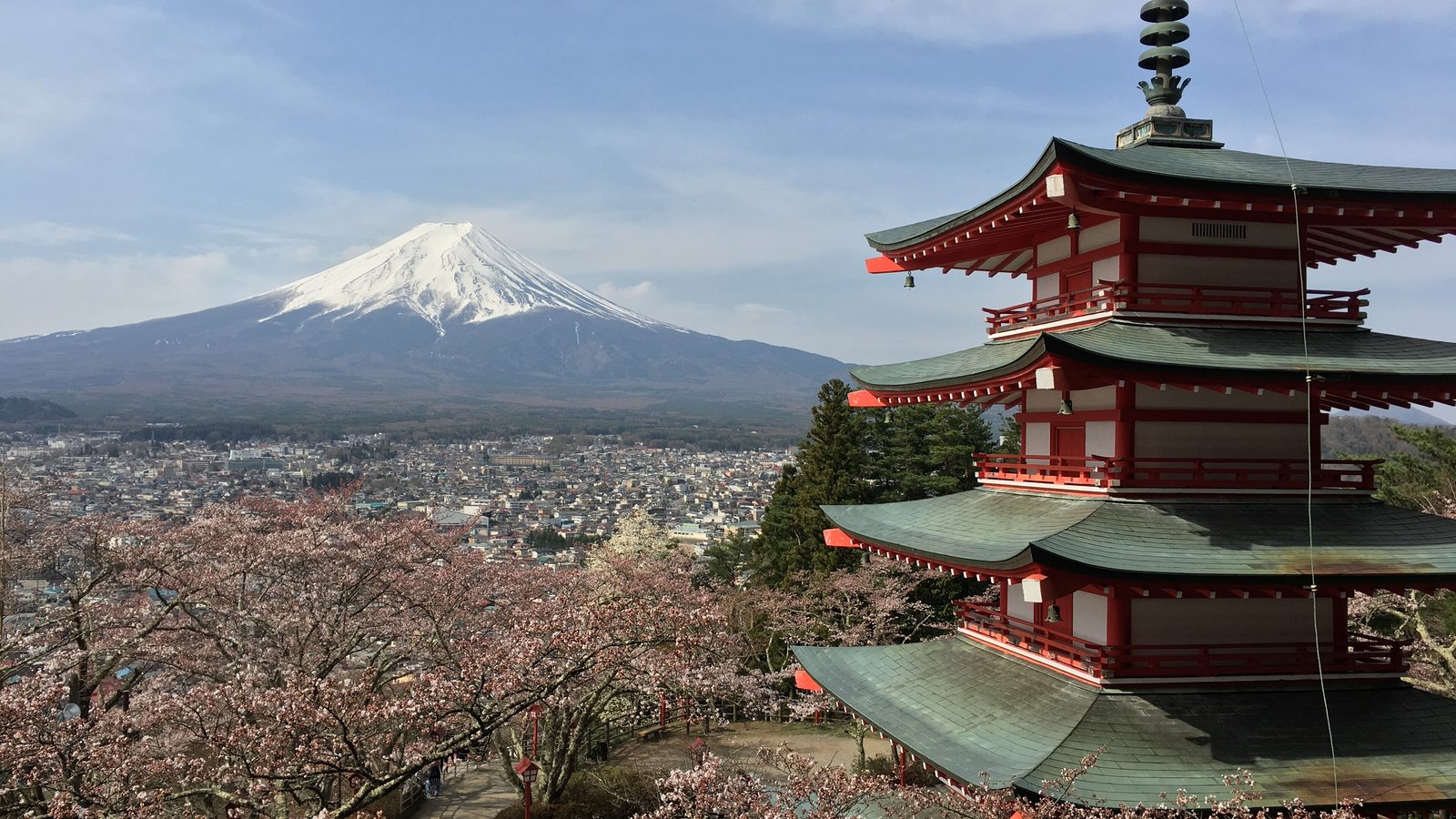

For most Western travelers, the answer is beautifully simple: you don’t need a visa for Japan — 90 days, stamped on arrival, free. Japan maintains visa-exemption arrangements with 74 countries and regions — the US, UK, Canada, Australia, New Zealand, and virtually all of Europe among them — making the world’s hottest travel destination also one of its easiest borders. What trips people up isn’t the visa; it’s the small print around it: the arrival apps worth setting up before you fly, the passport rule everyone over-prepares for, and the pre-screening system that’s coming but isn’t here yet. Here’s Japan’s complete 2026 entry picture.
Verified against Japan’s Ministry of Foreign Affairs visa-exemption list (updated September 1, 2025) and the Digital Agency’s Visit Japan Web service as of August 3, 2026. Rules change — confirm before booking. Not legal advice.
Part of our complete Japan travel hub — entry rules, seasons, the Golden Route, rail passes, and budgets.
Who Enters Visa-Free (and for How Long)
| Passport | Visa-free stay | Notes |
|---|---|---|
| US, Canada, Australia, New Zealand | 90 days | Stamped on arrival — no application, no fee |
| UK, Germany, Ireland, Austria, Switzerland, Liechtenstein, Mexico | 90 days, extendable | Bilateral six-month arrangements: land with 90 days, apply inside Japan to extend up to 6 months |
| Most of the EU + others | 90 days | 74 countries/regions total on MOFA’s exemption list |
| Thailand, Indonesia | 15 days | ePassport required; Indonesia requires e-passport registration |
| Brunei, Qatar | 30 days | Qatar’s arrangement requires pre-registration |
| Most African, South Asian & Chinese passports | Visa required | Apply through the Japanese embassy/consulate for your country — Japan has been expanding e-visa availability by nationality |
The Two Apps Worth Doing Before You Fly
- Visit Japan Web (the Digital Agency’s official service) — pre-register your immigration and customs details online and get QR codes that speed you through arrival at the major airports. It’s recommended, not mandatory — paper forms still exist — but after a 14-hour flight, the QR lane is the one you want to be in. Register before departure; one account covers your family.
- A payments setup: Japan is far more card-friendly than it once was, but an IC card (Suica/Pasmo — both available digitally in Apple/Google Wallet) is essential for trains and convenience stores, and a modest cash cushion still earns its place — smaller restaurants and rural spots remain cash-first.
The Rules the Border Actually Applies
- Passport validity: valid for the duration of your stay. Japan famously does not impose a six-month validity rule — though your airline or a connecting country might, so don’t cut it absurdly fine.
- Purpose matters. The exemption covers tourism, business meetings and conferences, and visits — not employment. Working on a tourist entry (including “just a few shifts”) is a deportation-grade offense.
- Onward travel: immigration can ask for evidence you’ll leave within your permitted stay, and airlines often check before boarding. Hold a return or onward booking.
- Cash declaration: carrying more than ¥1,000,000 (or equivalent) in or out requires a customs declaration.
- Overstay is treated severely — detention, deportation, and multi-year re-entry bans. The 90 days is generous; respect the stamp.
- Extensions: only nationals of the six-month bilateral countries (UK, Germany, Switzerland, Ireland, Austria, Liechtenstein, Mexico) can extend a short-term stay in-country as a matter of arrangement; everyone else should plan within 90 days or apply for the appropriate visa before traveling.
What’s Coming: JESTA (But Not Yet)
Japan has announced plans for an electronic pre-travel screening system — widely dubbed “JESTA,” in the mold of the US ESTA and the UK’s ETA — for visa-exempt travelers later this decade. As of August 2026 it is not in force: MOFA’s current exemption list makes no mention of it, and no pre-authorization is required for visa-free entry today. When it arrives, this page’s advice changes — we’ll update the moment it does. Until then, ignore any website selling “Japan travel authorization” services: there is nothing to buy.
If Your Passport Needs a Visa
Travelers from most African countries (including Ghana and Nigeria), China, India, and much of South and Southeast Asia apply through Japan’s embassies and consulates — requirements typically include the application form, photo, itinerary, financial evidence, and often an invitation or guarantor for visit purposes. Japan has been rolling out e-visa processing for a growing list of nationalities, so check your local Japanese embassy’s site for the current channel. The financial-evidence logic mirrors what we cover in our UK and Canada application guides: consistent statements beat sudden deposits, everywhere on earth.
Japan in Context: The Easy Asia Trio
For Western passport holders, East and Southeast Asia’s three giants now run three very different systems: Japan gives most of the West 90 days stamped on arrival; Thailand gives 60 days visa-free plus a mandatory (free) digital arrival card — our Thailand entry guide covers the TDAC everyone forgets; and China now waives visas for 50 countries — but pointedly not Americans, who route through the 30-day exemption’s fine print or the 240-hour transit. A Tokyo–Bangkok–Shanghai swing is more paperwork-free than it has been in decades.
Frequently Asked Questions
Do US citizens need a visa for Japan?
No — Americans enter visa-free for up to 90 days for tourism, business meetings, or visits. No application, no fee, no pre-authorization required as of August 2026.
Do UK citizens need a visa for Japan?
No — 90 days visa-free on arrival, and the UK is one of the bilateral six-month countries: you can apply within Japan to extend a short-term stay up to 6 months.
Is Visit Japan Web mandatory?
No — it’s the official optional pre-registration for immigration and customs that generates fast-track QR codes. Strongly recommended for major airports, but paper forms still work.
How long can I stay in Japan without a visa?
90 days for most of the 74 exempt nationalities (15–30 days for a few Asian and Gulf countries). Nationals of seven bilateral-arrangement countries can extend to six months in-country.
Does Japan require six months of passport validity?
No — your passport only needs to be valid for the duration of your stay. Airlines and connecting countries may apply their own rules, so avoid traveling on a nearly-expired passport anyway.
What is JESTA and do I need it?
Japan’s planned electronic pre-travel screening for visa-exempt travelers — announced but not in force as of August 2026. Nothing to apply for today; beware of sites selling “Japan authorizations.”
Sources
- MOFA Japan — Exemption of Visa (Short-Term Stay), updated September 1, 2025
- Digital Agency — Visit Japan Web
- Photo: Chūreitō Pagoda and Mount Fuji — bruchez (Flickr), Wikimedia Commons, CC BY-SA 2.0
Disclaimer: Verified against official Japanese government sources as of August 3, 2026 — entry rules change and border officers decide entry. Confirm current rules before booking. Not legal advice.
Official sources to check before you apply or travel
- GOV.UK foreign travel advice (entry requirements by country)
- Government of Canada travel advice and advisories
Visa rules, fees, processing times and entry requirements change often. Always confirm the current requirements on the official government website, or with the embassy or consulate, before you apply, pay or travel. One Visa Center is an independent information site, not a law firm or government agency, and this article is not legal advice. Read how we research, fact-check and use AI tools in our Editorial Policy.
Get visa, passport, and travel-planning guides like this one sent straight to your inbox — plus first access to new country guides and scholarship roundups.